
Dr Gregory Promnitz Snr warns of hidden type 2 diabetes risk
As many as four in ten people with type 2 diabetes do not know they have it, warns a Netcare Olivedale Hospital specialist.
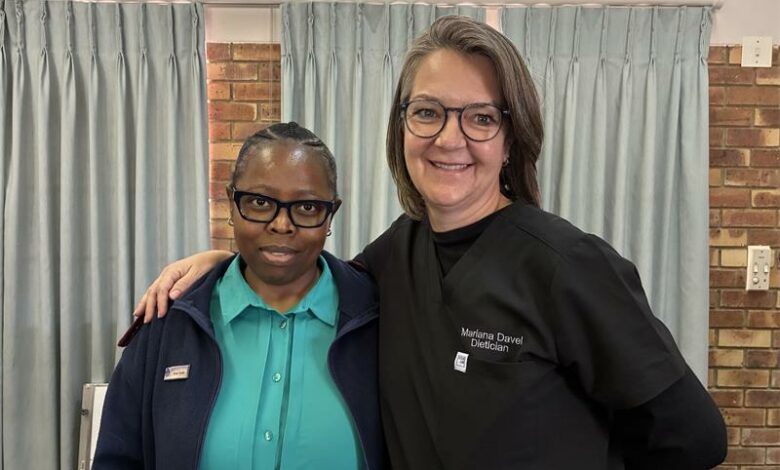
As many as four in 10 people with type 2 diabetes do not know they have it.
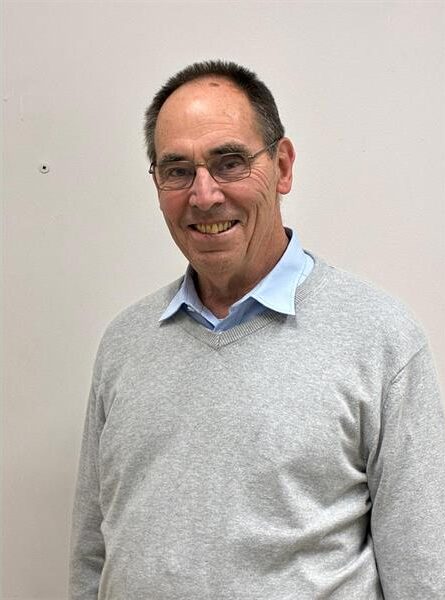
This was the warning from specialist physician at Netcare Olivedale Hospital Dr Gregory Promnitz Snr. The condition is one of the fastest-growing non-communicable diseases in South Africa. Promnitz, a specialist physician practising at the hospital, says many people wrongly believe type 2 diabetes is less serious than type 1. “Worldwide, type 2 diabetes is a greater health burden than type 1 because it is so much more common, and there’s often the misperception that it is less serious, but type 2 diabetes can be just as damaging if it’s not properly managed,” he says.
With type 2 diabetes, the body becomes less effective at using insulin, the hormone that regulates glucose levels. It is usually diagnosed from middle age onwards and has a strong family link. It is a chronic disease, so it needs long-term treatment. Type 1 diabetes is treated with insulin, while type 2 usually needs more than one type of oral medication and may progress to insulin-dependent diabetes. The risks of poor control are serious.
Read more: Diabetes can affect anyone
“The potential complications of uncontrolled type 1 and type 2 diabetes are similar and can include vision loss, heart and kidney problems, and nerve damage,” Promnitz says. Unstable blood glucose levels can affect multiple organ systems and, in severe cases, can lead to life-threatening emergencies.
He is concerned that people may live with the condition for years before it is found. Possible symptoms include unexplained weight loss, fatigue, passing urine more often or in larger amounts, increased thirst and blurred vision. “The symptoms of type 2 diabetes can be subtle, and because a person doesn’t necessarily feel unwell, the condition can go undetected. Earlier diagnosis provides an opportunity to gain control of the condition before long-term damage occurs,” he says.
Even after diagnosis, he says, control can slip when patients see medicine as the whole answer. “Many don’t realise that diet is the mainstay of the treatment plan,” he says. “Understanding the factors that influence glucose control is vital.”
He also cautions against looking for shortcuts. “Being diagnosed and learning that you will have to be on medication and make lifestyle changes for the rest of your life is hard for anyone to adjust to,” he says. “Often people want a quick fix, but that’s not how diabetes management works. It’s a lifelong commitment.”
Type 2 diabetes can occur alongside obesity and insulin resistance, as well as conditions such as high blood pressure and heart disease, which means patients often need care from more than one healthcare professional. “Many patients I see have had poorly controlled diabetes for five to 10 years, and the damage has already begun. I would recommend that people with type 2 diabetes have their eyes checked regularly, as one of the more severe, irreversible complications is losing your sight,” he warns.
Mariana Davel, a dietitian practising at the same hospital, says lasting eating habits can greatly improve quality of life. “One of the most common misconceptions about diabetes control is that the diet is boring and does not include any treats. Rather, through individual assessment and dietary education, we help people adapt recipes and make healthier meal choices that fit into their overall eating plan,” she says.
Also read: Tackling type 1 diabetes in children
She adds that cost need not be a barrier. “Following an eating plan that supports your diabetes management can be delicious and doesn’t have to be expensive. Seasonal fruit and vegetables are generally more affordable and offer an ever-changing variety of healthy fresh food,” Davel recommends.
Low glycaemic index (GI) foods help because they release energy slowly. “Many low-GI recipes use common kitchen cupboard ingredients and offer healthy alternatives that do not cost more,” she says.
She also urges people to learn to read food labels. “Food products marketed as sugar-free can sometimes be more expensive, and often the fat and sodium content can be very high,” she says.
Davel’s top three tips are to build balanced meals of lean protein and vegetables or salad with smaller portions of starch, to plan meals and snacks ahead so hunger does not lead to temptation, and to make water part of the daily routine. Diet is not the only factor. “Our metabolism, which is how our bodies use and convert energy, is influenced by a range of factors. Managing stress and getting enough regular physical activity are important aspects of diabetes control alongside diet and medication,” Davel says.
She believes the change can be a positive one. “Diabetes can seem daunting, but embracing a healthy new lifestyle can be enjoyable. Getting your diet right is the foundation for better glucose control,” she concludes.
Follow us on our Whatsapp channel, Facebook, X, Instagram, and TikTok for the latest updates!