Cholera: What you need to know …
Residents have been urged to avoid known or suspected contaminated food, water and surfaces and wash hands thoroughly with soap before handling food or after using the bathroom to prevent possible cholera infection.
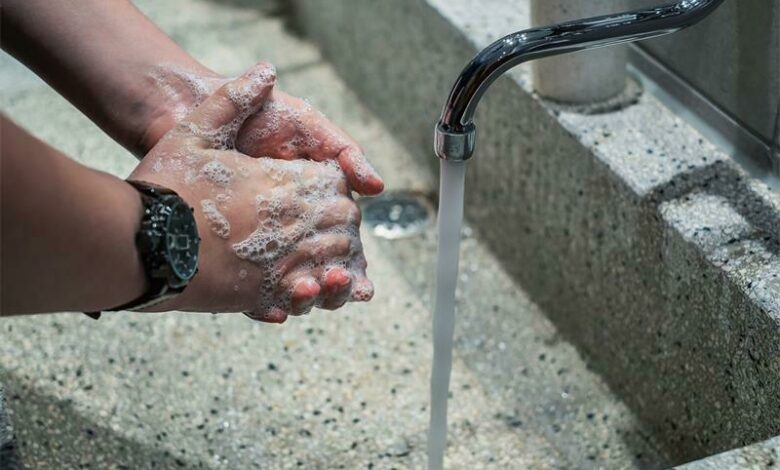
Government has urged people to avoid contaminated food, water and surfaces and always wash their hands thoroughly with soap to prevent possible infection of cholera.
According to West Rand’s District Health Services communication officer Nomagugu Hloma, prevention is better than cure and thus creating awareness about the cholera bacteria now is important as it already made headlines in areas such as Hammanskraal.
• Also read: ‘Randfontein water safe for consumption’
“We urge people to avoid known or suspected contaminated food, water and surfaces and wash hands thoroughly with soap before handling food or after using the bathroom, to prevent possible infection.
We also encourage people to clean their water by mixing one tablespoon or capful of household bleach with 20 to 25 litres of water and let it stand for at least two hours or preferably overnight.
“They can also allow the water to boil for at least one full minute and they should always store purified water in a clean and covered container,” said Hloma who added that people are also urged to ensure proper hand hygiene.
Meanwhile, according to information compiled by the health services, cholera is spread by drinking water or eating food that is infected with cholera bacteria.
This happens when an infected person handles food without washing their hands or relieves themselves into a water source. The health service also said that communities using unclean water for drinking or washing eating utensils are at risk.
If a person has diarrhoea as a result of this, they are urged to prepare a mixture of oral rehydration fluid for them to drink.
This can be done by boiling one litre of water and adding eight teaspoons of sugar and half a teaspoon of salt and mix well.
• Also read: Municipality in hot water regarding debt owed to Rand Water
Chetan Mistry, strategy and marketing manager at Xylem Africa, provided a brief history of cholera.
“In 1817, a cholera outbreak in India continued for almost a decade, killing hundreds of thousands of people. In the mid-1800s, over 15 000 people died from the disease in Saudi Arabia and a massive outbreak in Russia during the same period would eventually claim over one million lives. Even though cholera was partially identified more than 2 000 years ago, it began thriving in the modern era. Dense population levels and inadequate sanitation create colossal breeding grounds for the disease, a highly contagious bacteria that infects our small intestine with toxins.
Things started to change in the 20th century as municipal wastewater facilities and improved sewerage systems made piped clean water a reality for most people. Today, we continue to bring that clean water to everyone because it helps eliminate dangerous diseases and improve people’s lives.
“So, it’s saddening to see that cholera has reared its head again in South Africa and families are experiencing the traumatic and painful loss of loved ones. This is a critical concern, and while it’s crucial to hold authorities responsible for this dramatic step back in modern hygiene, that won’t directly help those exposed to this disease,” said Mistry who added that the answers to reversing the cholera outbreak and preventing it from reemerging lie in the wastewater treatment sites.
Xylem is a leading global water technology company committed to solving critical water and infrastructure challenges with innovation.
Mistry shared the following tips on how to fix wastewater:
• Decentralised treatment
Effluent is a key component for the spread of cholera therefore collecting and treating it quickly and efficiently will minimise the spread. Small package treatment plants can be used closer to the source of effluent to prevent further spreading. Furthermore, clean water can be treated with UV or Ozone or a combination of both e.g., tankers equipped with UV units will disinfect and therefore provide safe drinking water. Disinfection at the point of consumption will minimise further contaminations. The same principle can be applied to other water sources, for example, rivers.
• Complex management systems
Water and Wastewater treatment systems are complex and have many variables, making manual management very technical and challenging. Water data systems simplify management through historical data for trending and current data for real-time AI-enhanced analysis that delivers network optimisation, scenario planning and better decision-making. These systems work on devices such as phones and tablets and can send immediate alerts to authorities.
• Load-shedding
Power is crucial to wastewater treatment sites. Loss of power causes devastating knock-on effects, including sewage spillages. Sites can invest in backup power solutions and reduce their energy reliance with more efficient equipment. For example, variable frequency drive pumps and new-generation aeration blowers reliably deliver energy savings of 60 percent and higher.
• Depleted budgets
Money is tight, and improving water systems can be expensive. Yet there are some cost-effective interventions. Municipalities can increase revenue through improved metering systems coupled with automated meter readings and proactive condition assessments for detecting leaks and ensuring infrastructure integrity to reduce and prevent non-revenue water. Having a digital approach, municipalities can analyse historical data to discover efficiencies and avoid expensive repairs through preventative maintenance.
• Lack of skills
Treating water is technical, and smaller sites, in particular, might struggle for access to enough experts. Water solutions partners can help provide those skills directly and pass knowledge to the site employees. Leading water solutions providers such as Xylem also fund university students’ education, ensuring the next generation is ready to step up.
• Community knowledge
Wastewater treatment sites are the primary defense against water-borne diseases. But communities can do a lot as well. On the macro scale, they can look after water areas such as rivers and wetlands and help reduce pollution. On the micro level, they can make direct interventions such as washing hands, boiling water, and using chlorine tablets. It’s imperative to work with local communities and share knowledge.
Cholera outbreaks are a symptom of failing wastewater treatment facilities, and the long-term solution is to turn these sites around. We can do this by combining modern innovations in water systems with experience and established infrastructure. South Africans deserve clean and safe water – let’s work together to deliver this fundamental right,” said Mistry.