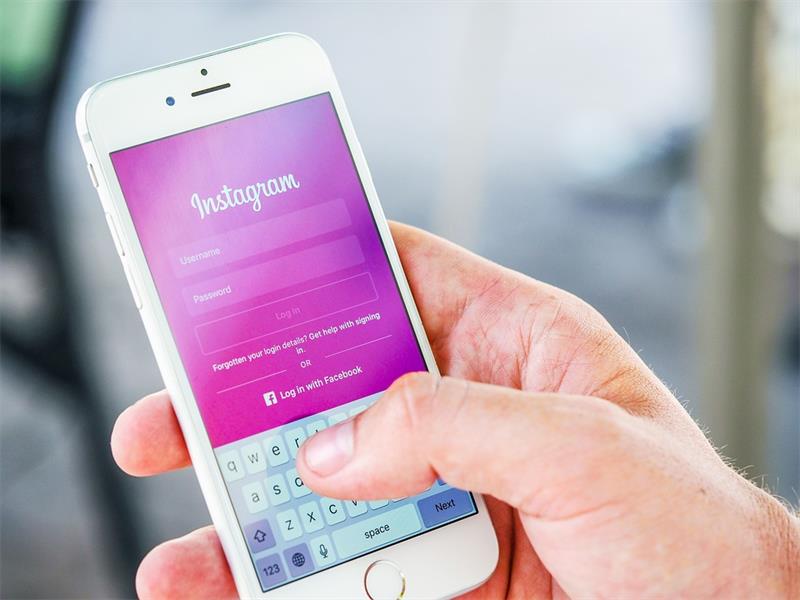
On the last day of January, FNB warned the public about social media scams to look out for in the New Year.
According to Kovelin Naidoo, Chief Cyber Security Officer at FNB, “As social media continue to gain prominence amongst South African consumers, platforms like Instagram, YouTube, Facebook and Twitter have also become platforms on which fraudsters attempt to catch unsuspecting consumers off guard.”
She said although social media scams in South Africa are not yet prevalent, compared to our global counterparts, the reality is that they do exist.
“Given that the popularity of social media is set to remain for the coming years, consumers are encouraged to constantly educate themselves and their loved ones about the latest methods that fraudsters use to get hold of their victims’ personal information,” she added.
• Blackmail – never share personal photos or videos that portray you in a compromising position on social media as scammers can use these against you by threatening to send them to close family members or upload them on public platforms.
• Phishing – beware of fraudsters pretending to represent your bank on social media platforms. Your bank will never ask for your credit or cheque card, account number, online banking login details, password or One Time PIN (OTP) on social media platforms.
• Help and favours – be on high alert when asked for special financial favours or urgent assistance by strangers, no matter how caring or persistent the individuals may seem. Never share your banking details with strangers and think twice before sending money to someone you recently met online or haven’t met in person yet.
• Dating and romance scams – consumers who use social media platforms to meet companions or their life partners should look out for fraudsters that play on emotional triggers to scam people out of their hard earned cash. Dating and romance scammers often lower your defences by appealing to your compassionate side in order to take advantage of you.
• Identity theft – avoid sharing personal information, such as ID, passport, drivers licence, payslip, bank statement, municipal or account statements on social media. Fraudsters can steal your information and use it illegally by impersonating you.
• Money laundering – scammers often trick people through social media platforms by claiming to have large sums of cash that they need to deposit urgently through a foreign bank account. Do not allow your account to be used by another person to deposit or transact. This can put you in serious trouble with authorities as allowing proceeds of crime to be laundered through your bank account, knowingly or unknowingly, is a criminal offence. Furthermore, never open a bank account in your name on behalf of a person you have met on a social media platform, irrespective of the circumstances.
“When all safety precautions are taken into account, social media remains one of the best platforms that consumers can use to keep up to date with the latest news and trends, interact and catch up with friends and family,” concluded Naidoo.
Do you perhaps have more information pertaining to this story? Email us at randfonteinherald@caxton.co.za (please remember to include your contact details in the email) or phone us on 011 693 3671.
For free daily local news on the West Rand, also visit our sister newspaper websites
Remember to visit our Facebook, Twitter and Instagram pages to let your voice be heard!