
Understanding substance abuse and addiction
Drug and alcohol abuse affects thousands of South Africans every day, but it is never too late to turn things around by seeking help.
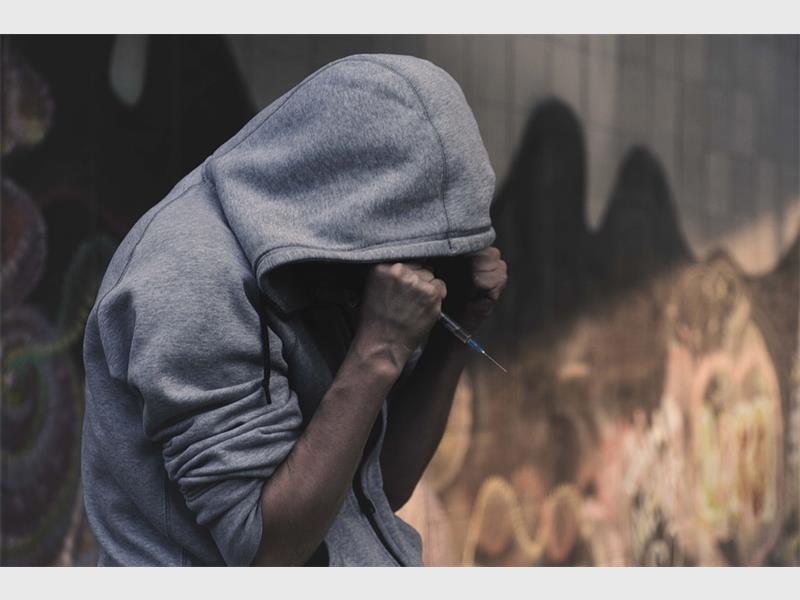
Drug and alcohol abuse take their toll on thousands of South Africans every day, but no matter how hopeless the situation seems, it is never too late to turn things around by seeking help.
Substance abuse is an enormous social problem in South Africa and it’s increasing every day. It’s estimated that up to 60 per cent of crimes committed in South Africa involve the use of substances. The rate of fetal alcohol syndrome in South Africa is five times that of the US and 80 per cent of young male deaths are alcohol-related.
A media release from Akeso Clinics states that alcohol, marijuana (dagga), cocaine, tik and heroin are some of the most frequently used substances in this country, according to the South African Depression and Anxiety Group (SADAG).
“Given some of the frightening statistics on substance abuse in the country, there is an urgent need to educate people on the dangers and the treatments available,” Marna Acker, an Occupational Therapist at Akeso Clinic Nelspruit, said.
Certain people are more at risk for substance abuse and for developing addiction disorders than others. “There are many factors that may make people vulnerable, including genetics, family background, mental health issues, work stress, financial pressure, and relationship problems,” Marna said.
There are also other factors involved, such as peer pressure; boredom and the feeling of not having a sense of purpose; feelings of depression and anxiety, and lack of control.
If you or someone you love is addicted to drugs or alcohol, they may exhibit some or all of the following physical, psychological and social signs and symptoms:
– Weight loss, skin colour change, skin outbreaks
– Intense urges or cravings as the addiction develops
– Withdrawal symptoms leading to suboptimal performance and physical craving
– Isolation, depression, anxiety, and paranoia
– Unhealthy friendships with people who have similar habits
– Financial difficulties due to large amounts of money being spent on drugs or alcohol
– Neglecting responsibilities, such as work or personal obligations
– Poor judgement, including risky behaviours such as stealing, lying, engaging in unsafe sex, selling drugs, or committing crimes that could land the person in jail
Outpatient programmes are offered by organisations like the South African National Council on Alcoholism and Drug Dependences (SANCA), Alcoholics Anonymous (AA), and Narcotics Anonymous (NA). Short-term inpatient programs – 21 to 30 days – including detoxification, and longer-term in-patient programs – 90 days to a year or more – are offered by addiction clinics throughout the country.
“The recovery process is life-long, there is no recipe for success, and relapse is very common,” Acker said. “That’s why it is extremely important for people with addictions to have ongoing counselling and therapy, to belong to support groups and to have an accountability partner.”
Source: Akeso Clinics
Do you perhaps have more information pertaining to this story? Email us at randfonteinherald@caxton.co.za (please remember to include your contact details in the email) or phone us on 011 693 3671.
For free daily local news on the West Rand, also visit our sister newspaper websites
Remember to visit our Facebook, Twitter and Instagram pages to let your voice be heard!