
The power of knowing your HIV status
Give HIV the finger – know your status with a simple finger prick and get the treatment you need to live a long and healthy life!
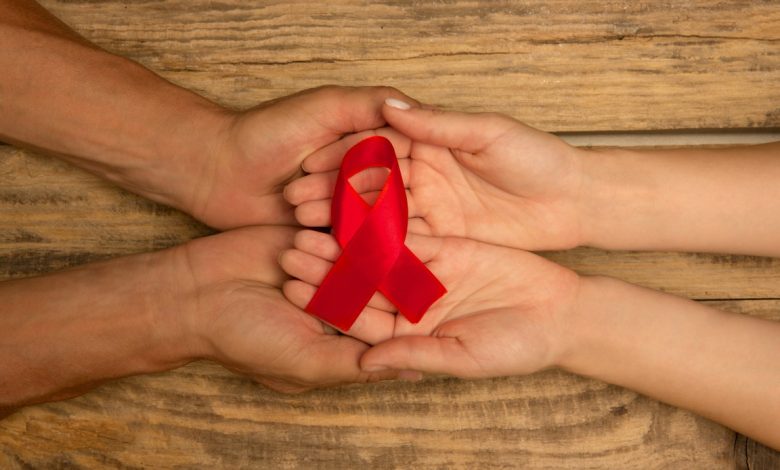
Affinity Health shined a spotlight on the importance and life-saving benefits of knowing your HIV status.
This year’s theme for National HIV Testing Day on June 27 is “My Test, My Way.” There are more HIV testing options than ever before.
First for the good news:
An HIV diagnosis was a death sentence three decades ago but that’s far from the case now according to CEO of Affinity Health Murray Hewlett.
He said thanks to cutting-edge research, the number of people diagnosed with HIV is declining. People have more access to free antiretroviral treatment and support today than ever before.
We’ve seen incredible innovations emerge in the last few years that are helping to revolutionise the AIDS response. Added to this, the rollout of HIV self-testing kits has enabled people to test for HIV in the privacy of their own homes. This has increased HIV testing rates among hard-to-reach groups.”
Now for the bad news:
Hewlett said one out of every 16 people living with HIV is unaware that they have HIV and they go for an average of three to five years before finding out their status, increasing the risk of transmission to sexual partners. Many people are still unaware of what HIV is and how it spreads.
What is HIV?
HIV (Human Immunodeficiency Virus) attacks cells that help the body fight infections. This makes a person more vulnerable to other infections and diseases. If HIV is not treated, the immune system will deteriorate and the body will eventually be unable to fight life-threatening illnesses. AIDS develops at the end-stage if HIV infection is not treated, as per Healthline.
When an infected person’s blood, sperm, or bodily fluids enter your bloodstream, HIV spreads. Unprotected anal or vaginal sex, as well as sharing needles or syringes with an HIV-positive person, are the most common ways for this to happen.
Depending on the stage of infection, HIV symptoms differ. Most HIV patients are most infectious in the first few months after infection.
According to the World Health Organization, one million people died worldwide in 2016 from HIV-related illnesses. Sub-Saharan Africa accounted for nearly half of the deaths.
With an estimated 7,7 million people living with HIV in 2018, South Africa, unfortunately, has the world’s most prominent and most visible HIV epidemic.
Regular testing reduces the number of people living with HIV who are undiagnosed or who are diagnosed late,” added Hewlett. “If you have HIV, learning about your status allows you to begin treatment, stay healthy, and avoid spreading the virus to others.”
Testing for HIV is easy. You can do so at any public health facility or your doctor’s office. You can also purchase an HIV test online or at your local pharmacy. As a result, you can test for HIV in the privacy of your own home. The test consists of a simple finger-prick test that can yield accurate results in as little as five minutes.
It’s critical to know that you’re not alone if you test positive for HIV at home. Make an appointment with your doctor, nurse, or clinic sister as soon as possible to confirm the results of your HIV test with a follow-up test. You will also be put on a treatment plan right away.
No matter the result, an HIV test provides vital information. A negative result provides an opportunity to take proactive steps to prevent future acquisition through preventative measures. A positive test result is an important first step in getting the help you need to live a long and healthy life.”