
Is coffee bad for kids?
Affinity Health brews up the dark side of coffee and children.
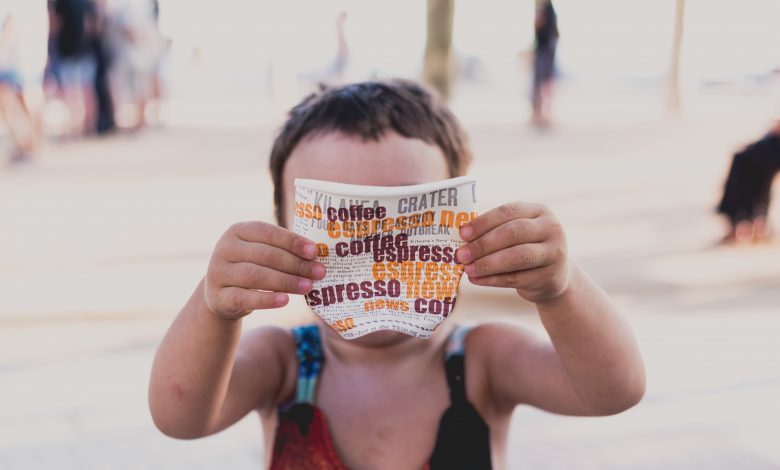
In the past few years, we have observed some surprising coffee trends, including a new generation of coffee lovers – children.
While most of us adults can’t do without our morning cup, too much coffee can be dangerous for kids. Excess coffee can lead to increased anxiety, increased heart rate, blood pressure, acid reflux, and sleep disturbances.
Worldwide, more children than ever before are drinking coffee, with 15% of teenagers and even a small percentage of two to three-year-olds indulging in fresh brew daily, according to the Institute of Food Safety.
However, major health organisations suggest that children should not drink coffee due to its caffeine content. Or, at the very least, parents should set parameters around caffeine consumption to keep kids safe.
Caffeine is the most commonly used psychoactive substance throughout the world. It is classified by the NCBI as a stimulant drug that is typically used for its ability to arouse the central nervous system. Too much caffeine can lead to insomnia, jitteriness, upset stomach, headaches, difficulty concentrating, and increased heart rate. In younger children, these symptoms occur after just a small amount.
Healthline advised that childhood and adolescence are the most critical times for bone strengthening. Too much caffeine can interfere with calcium absorption, which negatively affects proper growth. Additionally, adding cream and loads of sugar, or drinking high-calorie specialty coffees, can lead to weight gain and cavities.
How much coffee is too much for your kids?
“More and more South Africans are asking the question, ‘should my child be drinking coffee?’, more so now with many children being at home during coronavirus lockdown restrictions. Like most things in life, there is no black or white answer. If, however, you allow your child to consume the odd cup of coffee, keep serving sizes small (under 375ml),” said CEO of Affinity Health Murray Hewlett.
Remember that since kids and young adolescents are smaller than adults, caffeine typically impacts them more significantly. Like an adult, regular coffee consumption could eventually lead to a caffeine dependency.”
Hewlett added that, coffee aside, parents should also be aware that many of the food and drink items that children and teens crave contain ‘hidden’ caffeine. You can find caffeine in soda, energy drinks, hot chocolate, and even some herbal teas. If these are some of your child’s favourites, they could be consuming more caffeine than you think.
“If your child is a coffee guzzle, you may want to consider switching to decaf. Decaf coffee is similar in taste and appearance to regular coffee, without the side effects of too much caffeine,” concluded Hewlett.
Caffeine Content at a Glance:
Black tea: 1 cup contains 25-48 mg of caffeine
Green tea: 1 cup contains 25-29 mg of caffeine
Coca-Cola, regular, or Coke Zero: one serving contains 56-57 mg of caffeine
Ready-to-drink chocolate milk: 1 cup contains 0-2 mg of caffeine
Decaf coffee: 1 cup) contains about 2 mg of caffeine
Regular (black coffee): 1 cup contains on average 95 mg of caffeine
Espresso: 1 shot (30 ml) contains about 63 mg of caffeine
Instant coffee: 1 cup of instant coffee contains 63 mg of caffeine
Cold brew: One (tall) serving of cold brew contains 155 mg of caffeine
Latte or mocha: 1 cup contains 63-126 mg of caffeine