Overcrowding and decay plague Mohlakeng hostel
Poor sanitation, overcrowding and deteriorating infrastructure have reignited debate over responsibility for the ageing facility.
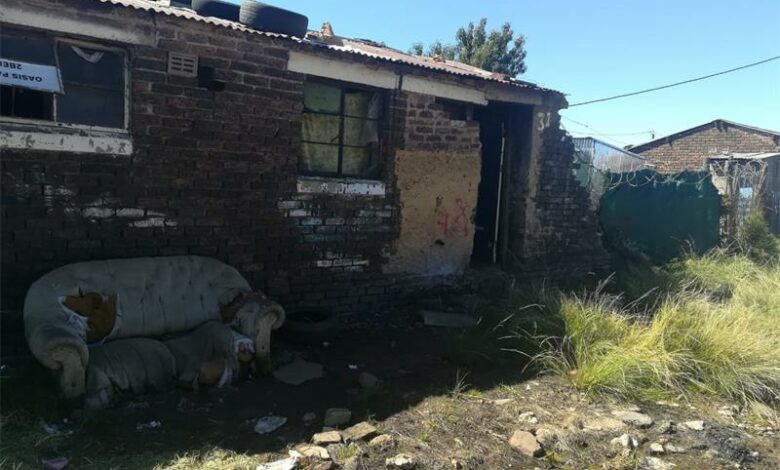
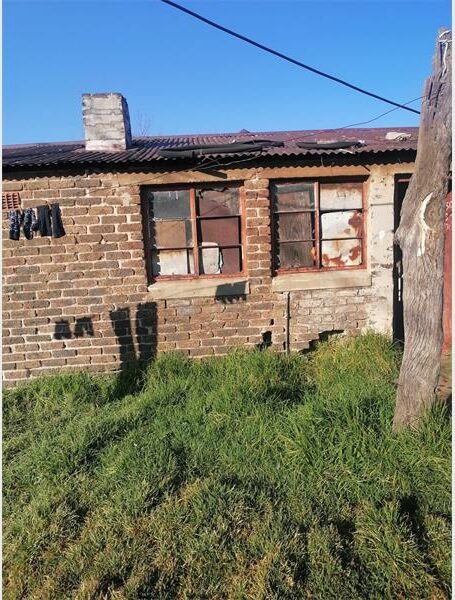
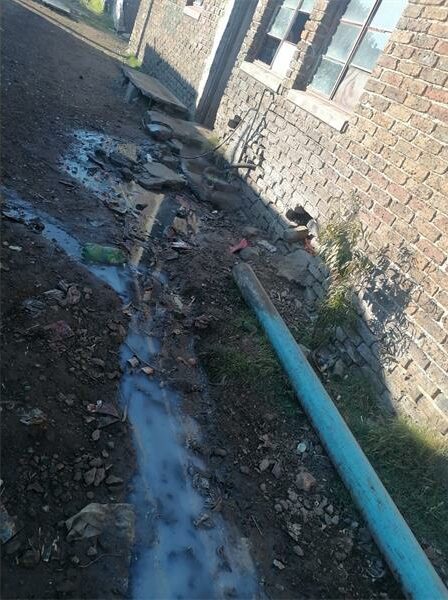
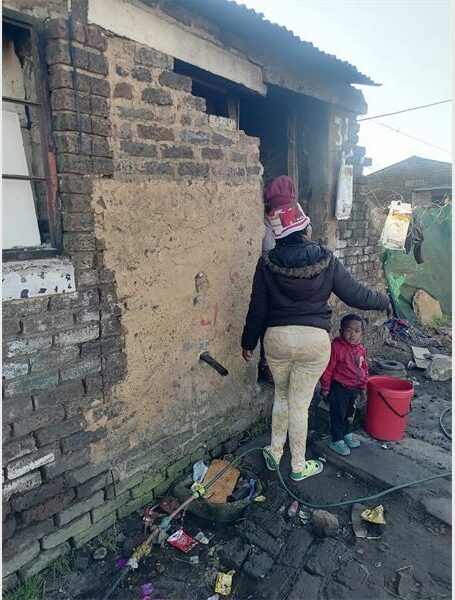
Concerns over overcrowding, poor sanitation and deteriorating infrastructure at Mohlakeng Hostel have reignited debate over responsibility for the ageing facility, with the DA blaming the Gauteng provincial government while Human Settlements MEC Tasneem Motara says municipalities own and manage the hostels.
The DA Gauteng Shadow MEC for Human Settlements, Mervyn Cirota, has blamed Motara and the provincial government for what he describes as neglect and appalling living conditions at the hostel.
Cirota recently highlighted the deteriorating state of the facility, describing the conditions as inhumane and unacceptable. He pointed to poor sanitation, overcrowding and a lack of basic maintenance, which he said continue to compromise the dignity and safety of residents.
According to Cirota, the situation reflects a broader failure by the provincial government to prioritise vulnerable communities living in hostels across Gauteng. He criticised what he described as a lack of accountability and urgency in addressing long-standing infrastructure challenges.
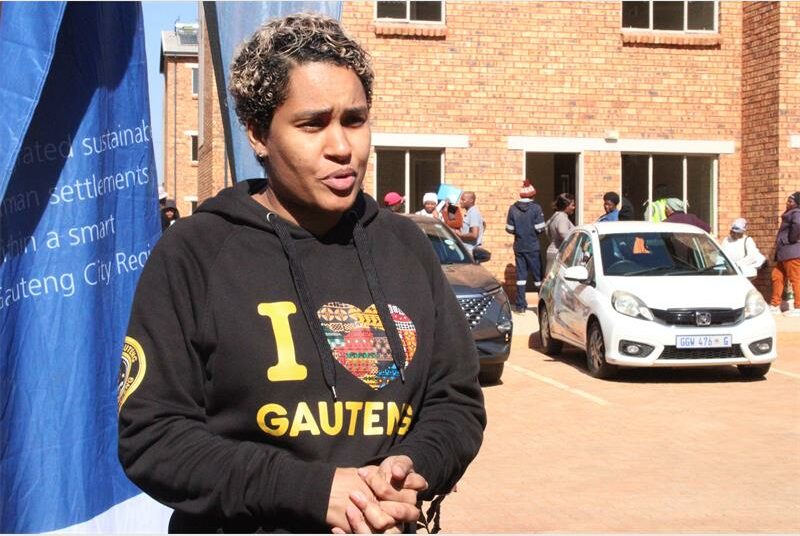
Responding to the criticism, Motara acknowledged the poor condition of hostels across the province but emphasised that responsibility for the facilities rests primarily with municipalities.
“The hostels across the province are in a terrible condition, but they are owned by municipalities. As the provincial government, we try to assist where we can, but this is a legacy issue,” Motara said.
She explained that hostels were originally designed as single-gender accommodation for migrant labourers and were never intended to house families or the large populations they now accommodate.
“They were not meant for the number of people currently living in them or for families. Over time, overcrowding has led to deterioration, and in many cases residents are not paying rent, making it difficult for municipalities to maintain the facilities due to funding constraints,” she said.
Motara said the provincial government’s long-term strategy is to phase out hostel accommodation.
“Our approach is that we don’t want to keep hostels anymore because their original purpose is now obsolete. Single-gender units are a thing of the past. Instead, we are building family homes where beneficiaries receive subsidised housing with title deeds registered in their names,” she said.
She added that residents who do not qualify for RDP housing may qualify for alternative options, including bonded or social housing, depending on their income.
Motara said the deteriorating condition of hostels is a long-standing legacy issue compounded by the financial constraints facing municipalities.
“We will continue to work with municipalities, but the reality is they do not have the resources to maintain hostels in their current state. Our long-term plan is to eradicate hostels and replace them with sustainable housing solutions,” she said.
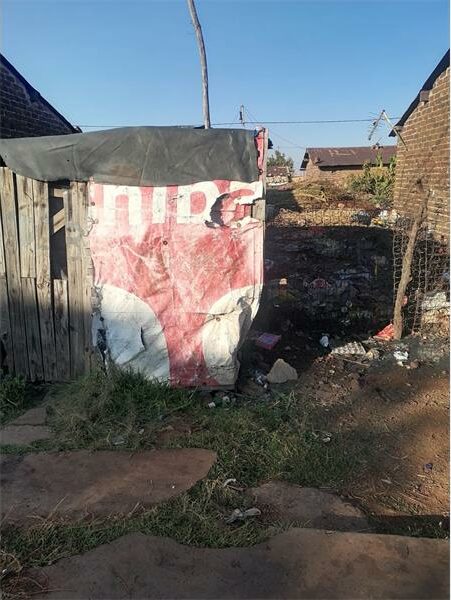
Cirota, however, maintains that immediate intervention is needed to address the conditions at Mohlakeng Hostel, arguing that long-term plans offer little relief to residents currently living in what he describes as unsafe and degrading conditions.
The Herald has approached the municipality for comment on the condition of the hostel, maintenance responsibilities and any planned upgrades. Responses will be included once received. The Herald will also continue to follow developments regarding conditions at the hostel and any interventions announced by the relevant authorities.