
Siyakholwa Foundation uplifts the West Rand community
Siykholwa Development Foundation can create work opportunities in Early Childhood Development, greening projects, and the environment, healthcare, as well as food security and nutrition, with upliftment projects stretching to communities on the West Rand.
The Siyakholwa Development Foundation (Siyakholwa) has embarked on various improvement projects to uplift the West Rand community.
The foundation is a strategic implementing partner for the Social Employment Fund (SEF), an initiative of the Presidential Employment Stimulus.
Also read: Myburgh Foundation distributes close to 112 Easter egg packs
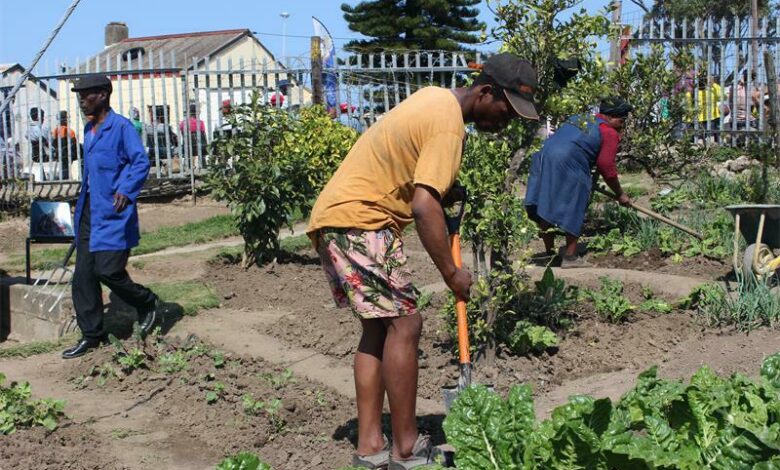
Through the SEF, Siyakholwa can create work opportunities in Early Childhood Development (ECD), greening projects and the environment, healthcare, as well as food security and nutrition, with upliftment projects stretching to communities on the West Rand. They have food gardens and ECD assistants at early learning centres in Muldersdrift, which falls under Mogale City, as well as ECD assistants at early learning centres in Rand West City including Merafong.
“Our focus is to help communities and people become independent, to realise the skills they possess, as well as the potential of available resources to change their situations,” said Siyakholwa CEO, Dr Rejoice Shumba.
Activities around food security include establishing food gardens and training the unemployed to establish and maintain these food gardens so that they become sustainable food sources. Currently food security activities on the West Rand employ people across seven community gardens.
Also read: Myburgh Foundation opens its heart to school children in need
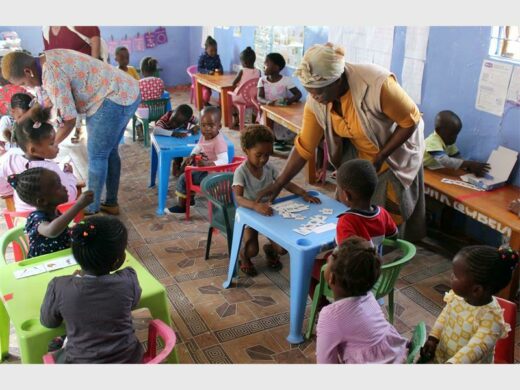
Early childhood development, also a key priority of Siyakholwa’s community upliftment initiatives, involves the training and placement of ECD assistants at early learning centres and playgroups to provide a source of support to ECD practitioners.
Through a partnership with SmartStart, Siyakholwa has been able to employ ECD assistants, and skills learned through training will empower these teacher assistants to operate their own ECDs and playgroups over time.
ECDs also benefit from produce from food gardens, while excess is shared with the broader community.
According to Dr Shumba, food gardens feed young children in the ECDs to alleviate the challenges of stunted growth and malnutrition. At facilities where there are no cooking amenities, fresh vegetables are shared with parents to prepare at home for their young children.
The SEF also makes it possible to allocate resources to the establishment of community aftercare programmes where young children are helped with their homework after school while their parents are working.
“Aftercare facilities help to support mainly learners who are challenged by numeracy and language skills. This facility provides such valuable support to working parents who need the peace of mind that their children are doing their homework.”
The team at Siyakholwa is constantly innovating to ensure the longevity of the programmes which the organisation has implemented.