Cancer 101: Knowledge is key when first diagnosed
An oncologist at Lenmed Randfontein Private Hospital shares insights on common cancer symptoms, available treatments, and common misconceptions about the disease.
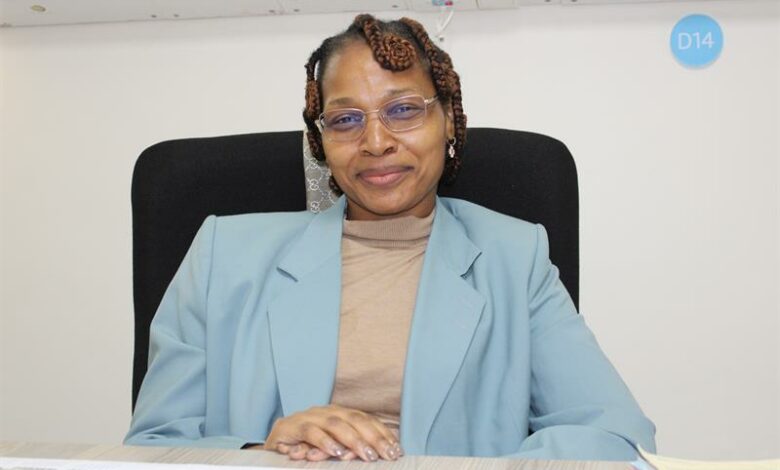
An oncologist at Lenmed Randfontein Private Hospital shared important information everyone should know about cancer.
• Also read: Lend a hand in Wendy’s breast cancer battle
Dr Ncumisa Mdamase explained she deals with breast cancer, prostate cancer and gynaecological cancers most of the time.
When it comes to prostate cancer, she noted many times it is asymptomatic, and it takes years to show. Symptoms include lower back discomfort, a urine stream that is not as strong, as well as waking up multiple times at night to urinate and erectile dysfunction.
When it comes to breast cancer, she noted that screening is important. She added that a mammogram does not always definitively confirm the presence of cancer; they would need to do a biopsy to confirm that there is cancer in the breast. Symptoms include a breast mass, blood-stained nipple discharge, painful breasts and a lump in the breast.
Ncumisa continued uterus cancer is common in post menopausal women. Bleeding is one of the symptoms as post menopausal women do not get their period anymore. Lower abdominal pain and lower back ache are other symptoms.
Cervical cancer can appear in both young and post menopausal women, however, she noted it is common in younger women. She advised that if a woman is sexually active, they should do a pap smear at least once a year, either at a gynaecologist or a general practitioner.
She mentioned that with ovarian cancers, a person can get more than one. When they screen for it, they screen the ovary and uterus. In many cases, it is due to a defective gene.
The number one symptom to look out for across the board is unexplained weight loss. For every cancer, the treatment depends on the stage and type of cancer.”
She added that one of the major misconceptions she’s noticed in her patients is that chemotherapy will kill them. She explained that every person reacts differently to chemo, and in many cases, the side effects are not as severe. She mentioned she rarely admits patients; about 80% of her patients are not admitted and do the treatment on an outpatient basis.
“In many cases, patients are afraid during their first consultation, as there is so much information to process. It is important for us as doctors to then walk through the process with our patients, allowing them to ask questions.
“Knowledge is power. Knowing what the treatment is will help the patients know what to do. Having a good support system at home is also very important and reduces the risk of hospitalisation,” Ncumisa explained.
Having been an oncologist for the past five years, she stated most people who walk into her examination room believe they are dying. It is then important for her to talk to them and understand their way of thinking.
“When they leave, they have hope, which is always nice to see. They realise the treatment is not so bad. Oncology is very emotional. A patient becomes part of your family. When they do well, you celebrate with them, and when they don’t, it hits you.”
She added that there is a multidisciplinary team working with the patients, including physicians, urologists and surgeons.
The team is so amazing. I made a good career choice. I love it, I wake up excited to go to work. I love my patients and respect them,” Ncumisa laughed.
“Love, respect and empathy are very important, especially when you walk this road with a patient. You know everything about them, it is impossible not to when you know them for such a long time.”