High bills and power cuts endanger Rosslyn development
Metro spokesperson Lindela Mashigo acknowledges the serious impact of cable theft and vandalism in Rosslyn, explaining that several interventions are underway.
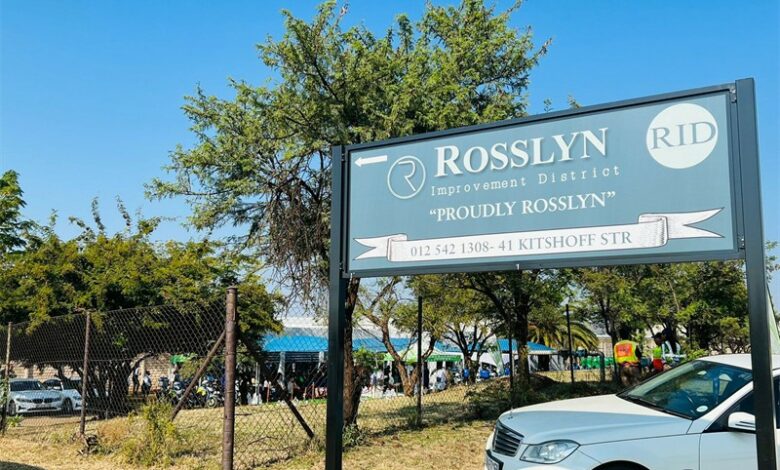
Businesses in the Rosslyn industrial area have raised the alarm over soaring electricity bills and persistent power cuts, warning that these challenges are slowing growth and hindering job creation.
The concerns came to light during a visit by DA Tshwane caucus leader Cilliers Brink as part of his listening tour with industry leaders.
Rosslyn, a key hub for automotive manufacturing and related industries, plays a vital role sustaining jobs and attracting investment to the capital city.
Brink said the municipality’s approach to billing is making Tshwane less competitive.
“The metro cannot use its ratepayers as cash cows and expect to tax itself out of financial difficulty.
“If Tshwane is to unlock growth and create jobs, it must bring bulk electricity costs in line with other metros and guarantee a reliable supply,” said Brink.
The DA also pointed to the Rosslyn Improvement District, an initiative launched during its previous administration, as an example of how collaboration between business and government can address local challenges.
Brink said there is an opportunity to strengthen this model by expanding the role of private security in crime prevention, particularly in protecting electricity infrastructure.
The metro defended its electricity tariffs, saying direct comparisons with other metros are not meaningful because customer profiles differ.
“The metro purchases bulk electricity from Eskom and distributes it to residential, commercial, and industrial users. Many other metros have a higher concentration of industrial customers, so their structures look different,” said spokesperson Lindela Mashigo.
Mashigo acknowledged the serious impact of cable theft and vandalism in Rosslyn, and said several interventions are underway.
These include partnerships with local industries, the Tshwane Metro Police, and private security to patrol and protect electricity servitudes.
Technological systems have also been introduced to detect intrusions at substations.
On the issue of high municipal bills, the metro insisted that it must balance industrial concerns with its obligation to pay Eskom on time.
Initiatives like the wallet system, which allows commercial customers to pay upfront and draw down electricity as needed, have been introduced to improve predictability.
Campaigns such as Tshwane Ya Tima also aim to encourage timely payment.
Rosslyn industries, Mashigo added, are treated as priority clients with a dedicated service team and regular engagement sessions.
“We are refurbishing substations, managing harmonic-sensitive customers, and planning capacity upgrades for the Rosslyn Substation within the Medium-Term Revenue and Expenditure Framework,” he said.
The metro further revealed that Rosslyn has been designated as a Special Development Zone, signalling its importance in long-term planning and investor confidence.
An impact study on how rising tariffs affect competitiveness has already been conducted, and the metro is progressively unbundling tariffs based on the findings.
While the DA and the municipality differ on the root causes and solutions, both sides agree that Rosslyn is too important to Tshwane’s economy to be allowed to decline.
Brink said, “We must work with honest, hardworking residents and businesses to find solutions that make Tshwane a city of growth and opportunity.”
Mashigo, meanwhile, stressed the metro’s commitment to balancing revenue collection with job creation.
“We are working to minimise downtime and ensure Rosslyn remains a competitive hub for investors and manufacturers,” he said.
Do you have more information about the story?
Please send us an email to [email protected] or phone us on 083 625 4114.
For free breaking and community news, visit Rekord’s websites: Rekord East
For more news and interesting articles, like Rekord on Facebook, follow us on Twitter or Instagram or TikTok.