Metro blames approval delays for ongoing Moreleta Spruit sewage pollution
Tshwane says environmental approval delays have prevented repairs to a damaged sewerage pipeline, while untreated sewage continues flowing into the Moreleta Spruit.
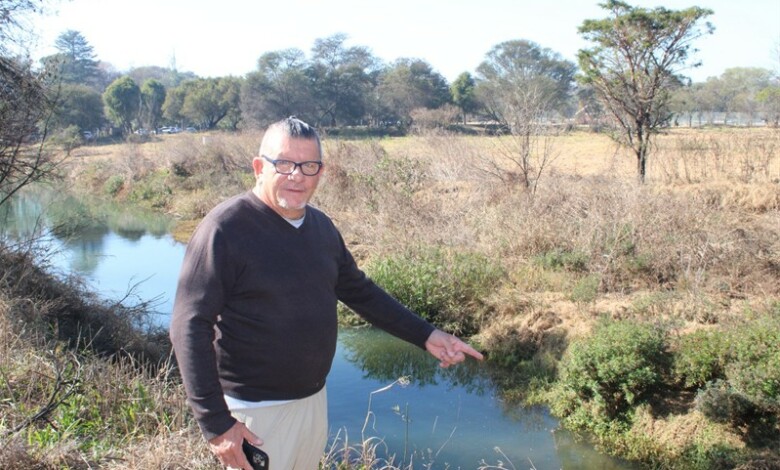
The Tshwane Metro has blamed delays in obtaining environmental approval from the Gauteng Department of Environment (GDEnv) for its inability to permanently repair a damaged sewer pipeline.
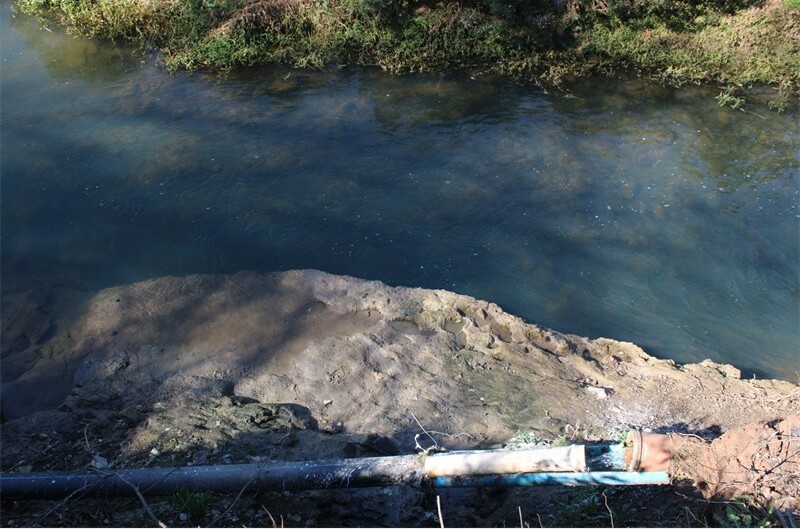
This sewer pipeline has been discharging raw sewage into the Moreleta Spruit near Murrayfield in the east of Pretoria since December 2024, with the metro first acknowledging the problem in March 2025.
Residents, environmental activists, and local political representatives have repeatedly warned that the prolonged sewage spill poses a serious threat to public health, aquatic life, and the environment.
Rekord has been reporting on the sewage pollution since 2025, when the metro first acknowledged the problem and committed to implementing interventions.
However, residents say untreated sewage continues to flow into the river.
The issue was initially reported by Ward 41 councillor Ben Chapman in December 2024 after an embankment supporting a major sewer pipeline collapsed.
He said that while repairs were carried out a few months later, they failed, and the same section of pipe was damaged again.
Chapman added that this is a prolonged, well-documented environmental violation that has been reported repeatedly, with supporting evidence, yet is deliberately ignored.
“The continued inaction by the City of Tshwane is not only unacceptable; it is unlawful, and criminal charges should be laid.”
Chapman said the continued discharge of untreated sewage into a natural watercourse violates several pieces of legislation, including the National Water Act, the National Environmental Management Act and Section 24 of the Constitution, guaranteeing that everyone’s well-being and health reserve the right to a risk-free environment.
“By allowing this to continue, the City of Tshwane is actively endangering public health, contaminating groundwater and polluting borehole water relied upon by residents. The presence of harmful pathogens such as E. coli makes this a serious and immediate health risk,” Chapman said.
Chapman also questioned whether the city had met the key milestones set out in its own environmental approval programme.
He stated that according to the timeline provided by the city, four reports had to be submitted to authorities. The last of these was expected to be submitted by June 10, and he added that if any of the deadlines were missed, the metro would be responsible for providing clear reasons for this to residents.
The DA Gauteng spokesperson for Environment and member of the Provincial Legislature, Leanne De Jager, conducted an inspection of the leak site on July 6.
She said the sewage pollution is affecting communities along the Moreleta River, including Wingate Park, Moreleta Kloof, Garsfontein, Faerie Glen, Murrayfield and surrounding eastern suburbs.
She warned that the river eventually flows into the Hartbeesspruit system, the Pienaars River catchment, and ultimately into the Roodeplaat Dam, one of the region’s important water resources.
“Every day this pipe remains unrepaired, the pollution travels further downstream, compounding the damage across an entire river network,” De Jager said.
She called on Gauteng MEC for Environment, Ewan Botha, to conduct an environmental impact assessment and to direct the Tshwane Metro to urgently repair the damaged sewer pipeline.
“The waterways of Gauteng must be protected because clean water and a healthy environment are not privileges; they are rights that every Gauteng resident deserves,” she said.
Tshwane Metro spokesperson Lindela Mashigo said the municipality had intended to divert the damaged sewer pipeline last year but was unable to proceed after the GDEnv required an environmental assessment before any construction work could begin.
He said the damaged sewer line collects wastewater from 10 residential properties on Oliewenhout Street and that a new pipeline will be installed once the required environmental authorisation has been granted.
Mashigo said the city had attempted to have the project declared an emergency in an effort to fast-track approval, but the request had not been supported.
“If it had been approved as an emergency, the division could have started with construction work immediately,” he said.
While awaiting approval, the city installed a temporary bypass pipeline to prevent sewage from entering the river.
However, Mashigo said further deterioration of the embankment recently damaged the temporary pipeline.
“A temporary pipeline has been installed to prevent sewage from spilling into the waterway while plans to effect repairs are being explored. As part of regular monitoring, the regional maintenance team identified that the embankment of the waterway has deteriorated further, resulting in damage to the temporary pipeline.”
He said the city is exploring options to reinstate the temporary pipeline while awaiting approval to begin permanent repairs.
Mashigo acknowledged that untreated sewage poses a public health risk, but maintained that the municipality cannot proceed with permanent construction until environmental approval is received.
“As soon as the city obtains environmental approval from the Gauteng Department of Environment, a contractor will be appointed,” he said.
Do you have more information about the story?
Please send us an email to [email protected] or phone us on 083 625 4114.
For free breaking and community news, visit Rekord’s websites: Rekord East
For more news and interesting articles, like Rekord on Facebook, follow us on Twitter or Instagram or TikTok or WhatsApp Channel