Rietvlei pollution: Sampling shows legal limits exceeded
New research has found dangerously high phosphorus levels throughout the Rietvlei Nature Reserve, raising the alarm over declining birdlife, ecosystem damage and water pollution. The metro says the contamination originates upstream and is out of its jurisdiction.
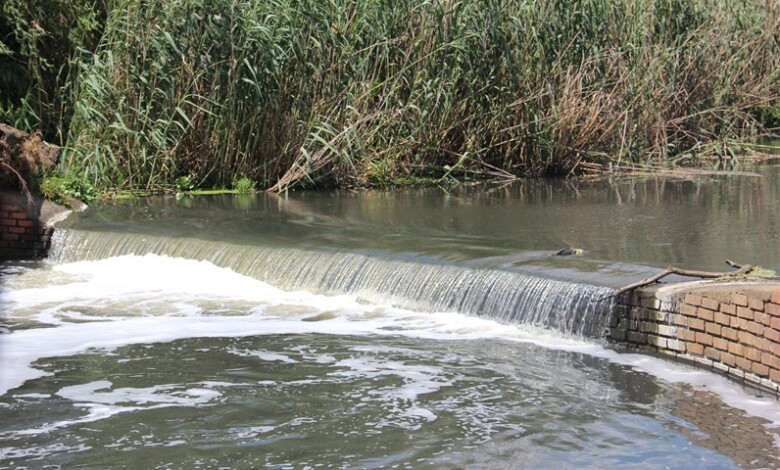
Polluted water flowing into Rietvlei Nature Reserve, one of Gauteng’s premier reserves, is threatening wildlife, biodiversity and recreation.
New research shows that phosphorus levels are far above legal limits, and scientists warn that the problem is chronic rather than a once-off incident.
A July research report by water expert Dr Michael van der Laan found that every sampling site in and around the reserve exceeded the legal limit for phosphorus discharged into watercourses.
The report found that pollution was already present before the Riet River entered the reserve and became progressively worse downstream.
Van der Laan said the highest phosphorus concentration was measured at Marais Dam, where levels reached 5.1mg/l, about five times the legal discharge limit and 20 times the level associated with severe algal blooms.
“We were hoping those high concentrations observed in October 2025 were a once-off event, but we are once again measuring very high concentrations,” he said.
The latest findings suggest the pollution is not an isolated incident but part of a recurring pattern that has persisted for months.
According to the report, Marais Dam recorded phosphorus levels of 5.8mg/l in October 2025, before concentrations dropped during the summer rainfall period.
Van der Laan said the lower readings should not be interpreted as an improvement in water quality because rainfall diluted the pollution rather than eliminating the source.
The report raises concerns about the long-term health of one of Gauteng’s most important conservation areas, warning that nutrient pollution on this scale creates conditions for severe algal blooms, oxygen depletion and the collapse of aquatic habitats.
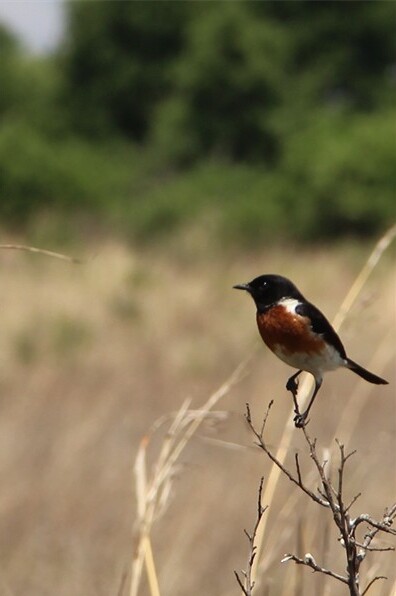
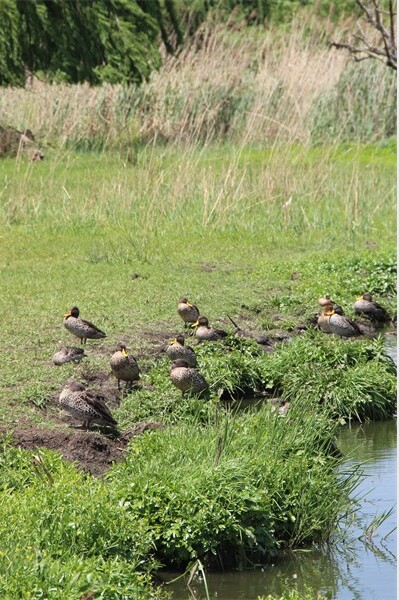
Rietvlei Nature Reserve is regarded as one of Gauteng’s premier birding destinations and is home to a wide variety of wildlife.
Environmental groups have warned that deterioration in water quality could have lasting consequences for the reserve’s ecosystems if pollution entering the river system is not stopped. Friends of Rietvlei said the findings highlight the urgent need to prevent nutrient-rich pollution from entering the Riet River before further ecological damage occurs.
The pollution is also affecting visitors, as water flowing through the reserve eventually enters Rietvlei Dam, which is used for boating, angling and other recreational activities, before supplying raw water for treatment as part of Pretoria’s drinking water system.
Responding to questions, metro spokesperson Lindela Mashigo said investigations had identified the source of the pollution as originating upstream from the Rietvlei system, outside the municipality’s jurisdiction.
“As the source falls outside the City of Tshwane’s area of jurisdiction, the city is unable to directly intervene at the point of origin,” Mashigo said.
He said the metro continued to engage with the relevant authorities and stakeholders while implementing measures to mitigate the impact on the Rietvlei system and protect its water supply infrastructure.
The metro said it had been monitoring water quality in the Rietvlei system for some time and remained vigilant in responding to changes in water quality.
However, Mashigo said the municipality did not characterise the current situation as one that had resulted in repeated legal exceedances requiring the permanent closure of the Rietvlei Water Treatment Plant.
He said the plant remained temporarily non-operational but stressed that the interruption had not affected the city’s ability to provide potable water to residents because alternative treatment facilities and water sources were being used.
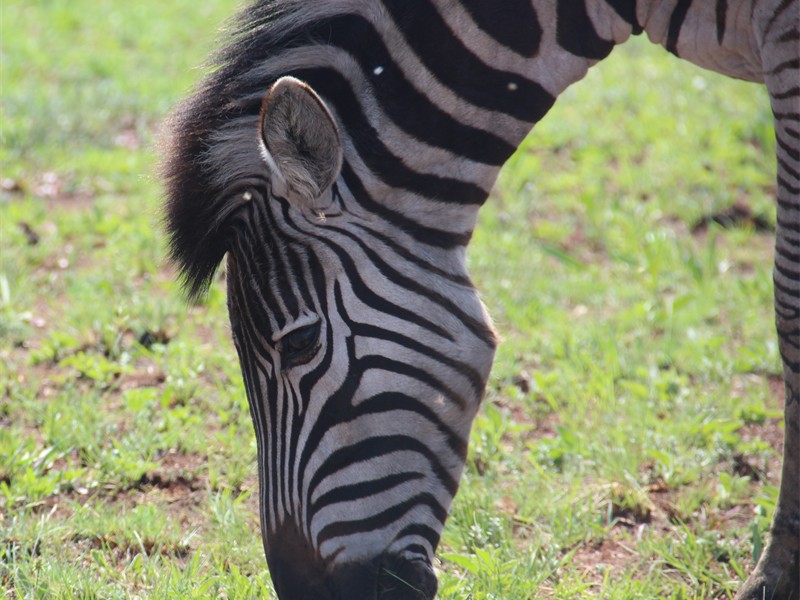
He added that alternative freshwater streams within the reserve continued to provide safe drinking water for wildlife, while water supplied to residents complied with required drinking water standards through alternative treatment processes and supply sources.
Mashigo said the metro had not recorded pollution incidents at Rietvlei Dam itself, where water-quality test results exceeded the applicable legal limits.
He said accountability for pollution entering the system rested with the authorities responsible for the upstream catchment.
He acknowledged that no definitive timeframe could yet be given for restoring water quality because corrective work depended on authorities responsible for infrastructure outside the metro’s jurisdiction.
“At this stage, no definitive timeframe can be provided, as the city is working collaboratively with Rand Water and other relevant stakeholders on interventions aimed at improving water quality within the Rietvlei system,” Mashigo said.
He said the city’s priority remained protecting the integrity of its water supply system, while long-term solutions were pursued, adding that timelines for repairs at the source of the pollution remained the responsibility of the relevant authorities outside the metro’s jurisdiction.
ALSO READ: Rietvlei pollution forces closure of picnic site
Do you have more information about the story?
Please send us an email to [email protected] or phone us on 083 625 4114.
For free breaking and community news, visit Rekord’s websites: Rekord East
For more news and interesting articles, like Rekord on Facebook, follow us on Twitter or Instagram or TikTok or WhatsApp Channel