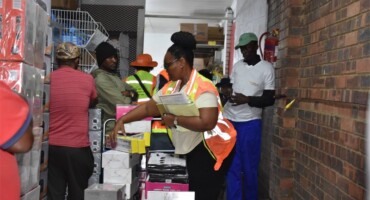
Typhoid fever outbreak in Tshwane misleading – NICD
Residents are urged to verify health information through official public health platforms before sharing claims online.

The National Institute for Communicable Diseases (NICD) has dismissed social media claims alleging a typhoid fever outbreak in the Tshwane Metro, assuring residents that there is currently no typhoid outbreak in South Africa.
The institute said recent posts circulating on social media falsely claimed that it had confirmed an outbreak in the metro, urging the public to rely on official health platforms for accurate information.
“There is currently no typhoid fever outbreak in South Africa,” said the NICD.
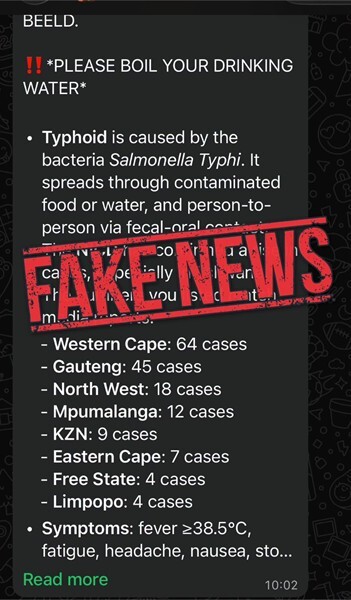


The institute also cautioned residents against spreading unverified health information.
“We urge the public to verify health information before sharing it and to rely on the NICD website and official social media platforms for accurate, up-to-date public health information,” it encouraged.
While no outbreak has been declared, the NICD’s latest enteric fever update shows Gauteng has recorded the highest number of laboratory-confirmed typhoid fever cases in the country this year, with the Tshwane Metro accounting for the majority of those cases.
According to the NICD, between January 1 and July 29, a total of 125 laboratory-confirmed cases of enteric fever were reported nationally across eight provinces. Gauteng accounted for 70 of those cases, with 60 recorded in the city.
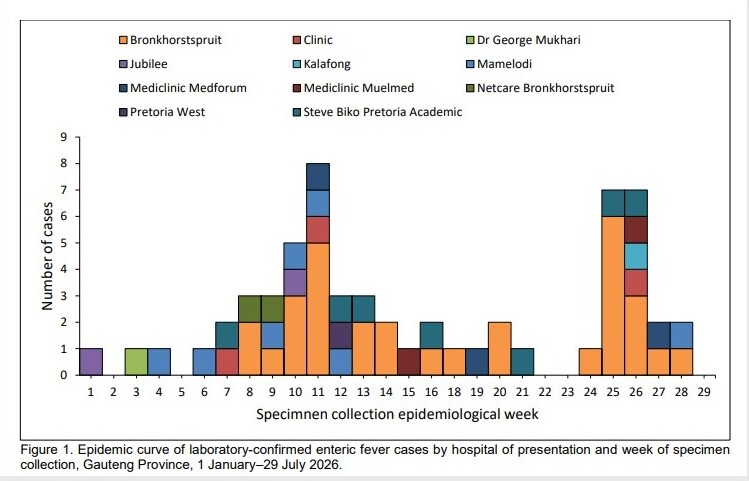
The institute said more than half of the metro’s cases were treated at Bronkhorstspruit Hospital, which serves the Bronkhorstspruit area. It added that some residents from the same area sought medical care at other healthcare facilities in Pretoria.
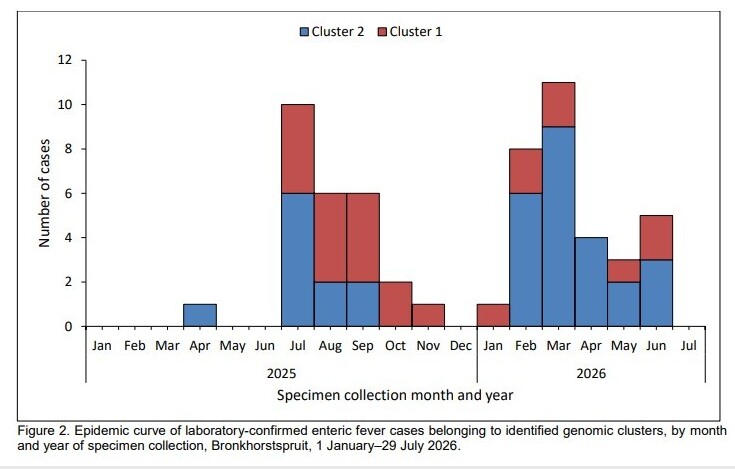
The NICD reported that the Bronkhorstspruit area experienced an increase in enteric fever cases, with an initial peak recorded in March this year, followed by another in June.
The institute noted a similar increase was recorded between July and September 2025, indicating a recurring pattern that requires ongoing investigations and enhanced disease surveillance.
According to the NICD, whole-genome sequencing identified two distinct strains of Salmonella typhi responsible for a sustained increase in cases in the Bronkhorstspruit area during both 2025 and 2026.
The institute said one cluster mainly affected residents of Ekangala and Rethabiseng, while the second cluster largely affected residents of Zithobeni, Ekangala and Rethabiseng. Additional cases linked to the second cluster were identified in Mamelodi, Bronkhorstspruit, Dark City, Arcadia and Daveyton.
The NICD explained that typhoid fever, also known as enteric fever, is a systemic illness caused by Salmonella typhi bacteria and is typically spread through contaminated food or water.
The institute said common symptoms include fever, headache, muscle pain, abdominal pain or cramps, nausea, vomiting, constipation or diarrhoea.
To reduce the risk of infection, the NICD encouraged residents to wash their hands thoroughly with soap and water after using the toilet and before handling food. Ensure access to safe drinking water and proper sanitation. It advised people diagnosed with typhoid fever to avoid preparing food for others until they are no longer infectious.
Watch below to learn practical tips on prevention and controlling this disease:
Do you have more information about the story?
Please send us an email to bennittb@rekord.co.za or phone us on 083 625 4114.
For free breaking and community news, visit Rekord’s websites: Rekord East
For more news and interesting articles, like Rekord on Facebook, follow us on Twitter or Instagram or TikTok or WhatsApp Channel