Gardening programme takes root in Mabopane
A community garden in Mabopane is sowing the seeds of economic opportunity while teaching residents how to grow, market and sell produce.
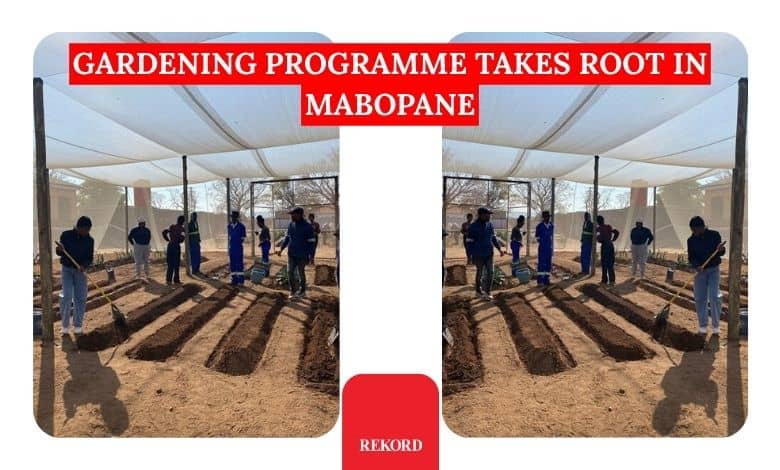
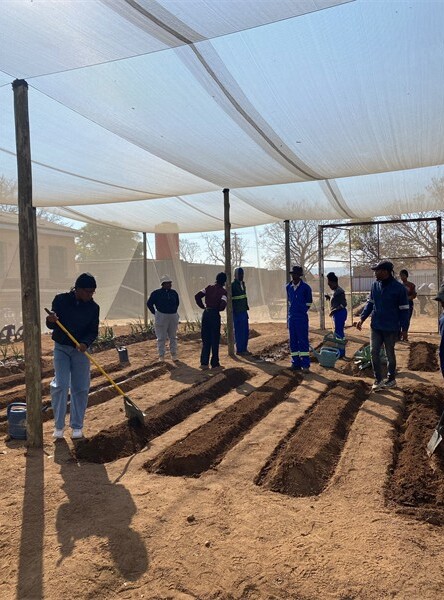
An agriculture skills programme in Mabopane is helping community members gain practical farming and entrepreneurial skills despite funding shortages, limited space and ongoing water challenges.
Lesedi la Batho community centre’s Agriculture Plant Production Skills Training Programme currently has 31 beneficiaries and aims to reach about 100 people over the coming year. It focuses on unemployed youth, women and other community members interested in agriculture as a pathway to employment, income generation and food security.
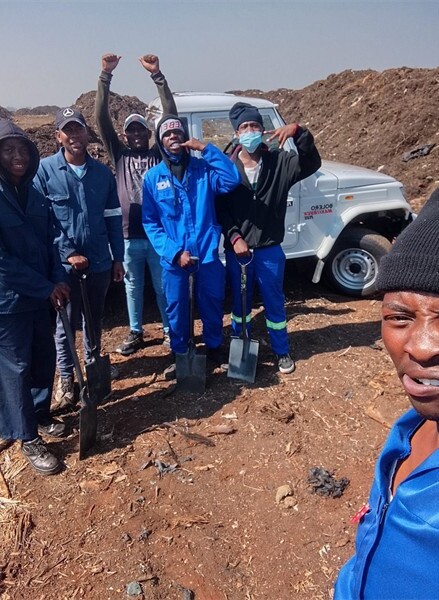
The programme recently saw beneficiaries collect about 1.5 tons of organic compost from the Tshwane landfill site before sourcing seedlings, including spinach, beetroot, onions and tomatoes.
The compost is being used to improve the soil and provide nutrients for vegetable production.
Marketing co-ordinator at Lesedi la Batho, Oletilwe Molebatsi, said the initiative focused on giving beneficiaries practical experience that could translate into sustainable livelihoods.
“The programme is not only about teaching beneficiaries how to grow vegetables, but also about giving them the skills to turn agricultural production into a sustainable business opportunity,” said Molebatsi.
The programme has its roots in Lesedi la Batho’s Ikemele Women Empowerment Project, which began in January 2021.
After the first group of Ikemele graduates, participants proposed establishing a vegetable garden at the community centre to generate income by selling produce.
The agricultural initiative expanded after Thrive for Good approached Lesedi la Batho in 2023 to provide a five-day introductory agriculture training programme for youth in Mabopane.
Interest generated by the programme helped develop the current six-month Agriculture Plant Production Skills Training Programme.
Beneficiaries receive both theoretical and practical training covering the full production cycle, including soil preparation, seed selection, planting, crop maintenance, pest and disease management, irrigation, harvesting, marketing and sales.
The programme also introduces participants to basic business skills such as costing, pricing, identifying markets, managing sales and reinvesting profits.
Produce harvested from the garden is partly sold to beneficiaries, staff members, elderly women’s organisations based at the centre and nearby community members.
Ratanang Day Care Centre also uses some of the vegetables to supplement children’s meals.
Molebatsi said the programme currently operates without dedicated funding.
She said Lesedi la Batho relies on income from vegetable sales, training fees and limited organisational resources to keep the initiative running.
“Water remains another major concern, with the organisation reporting regular interruptions in Mabopane, particularly in Block B, where the centre is located. The shortages affect the garden’s ability to maintain crops and expand production.”
The organisation also needs additional agricultural tools, seeds, seedlings, compost, fertiliser, irrigation equipment, water-storage facilities and secure fencing. Limited agricultural space and theft concerns have also restricted expansion.
Despite these challenges, Lesedi la Batho plans to increase the number of beneficiaries, expand the cultivation area, grow a wider variety and volume of vegetables and strengthen links between beneficiaries and potential markets.
“The support of partners can help us provide consistent training, increase production and reach more beneficiaries while creating opportunities for people to develop sustainable livelihoods,” said Molebatsi.
The organisation ultimately hopes the programme will help beneficiaries move from learning about agriculture to producing, selling and generating income from agricultural products, while contributing to food security and economic empowerment in Mabopane.
Do you have more information about the story?
Please send us an email to [email protected] or phone us on 083 625 4114.
For free breaking and community news, visit Rekord’s websites: Rekord East
For more news and interesting articles, like Rekord on Facebook, follow us on Twitter or Instagram or TikTok or WhatsApp Channel