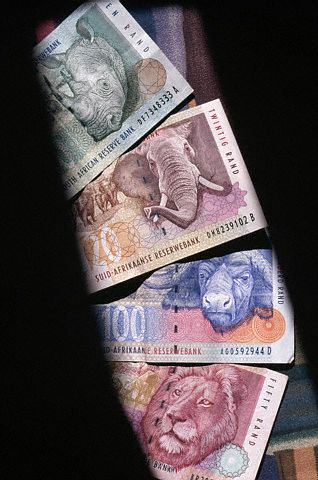
The Tswane metro has denied being on the verge of bankruptcy.
Tshwane metro spokesperson Selby Bokabe said claims in this regard by the Democratic Alliance (DA) were absurd and devoid of any truth.
He said there was an explanation for financial statements — cited by the DA — indicating an increase in unauthorised expenditure of R1.2 billion by the metro.
“The sharp increase in unauthorised expenditure compared to the previous financial year is due to an unexpected increase in the impairment of consumer debtors, loss on disposal of assets and depreciation that could not have been budgeted for during the budgeting process,” Bokaba said.
“These expenditures are also as a result of accounting adjustments during the year-end process to ensure that the financial statements submitted are prepared in accordance with laws and regulations.”
Bokaba said most overspending related to expenditures and assets that were taken over during the merger of the Metsweding, Kungwini and Nokeng Tsa Taemane municipalities, that was never accurately costed at the time of the merger and continues to be unfunded.
“We believe the mergers cost us in excess of 1 billion in outstanding creditor’s and employees’ salaries, provision of services, non-payment of accounts and the enhancement of services that were non-existent in the areas. The city has subsequently made a submission to the government for consideration of the significant shortfall on the merger that needs to be funded.”
Turning to an increase of irregular expenditure to the tune of R451 million, Bokaba said this happened as a result of non-compliance with laws and regulations and the council’s approved supply chain management policy.
Irregular expenditure increased by R157 million due to expenditure on the ward committee system that was implemented and found to be flawed by the courts (R19,5 million), the implementation of the Tshwane Rapid transport system (R79,1 million), incorrect deviation awarded (24,8 million) and awards to persons in the service of the state (8,3 million).
“The city has identified the root cause that has resulted in the non-compliance with the laws and regulations on supply chain management and has commissioned a team that is implementing the necessary controls and action plans to ensure compliance with these laws and regulations,” Bokaba said.
On the decreasing collection rate of municipal depts and an impairment of consumer debts of R1.4 billion, he said collection levels on municipal debts had decreased during the financial year as a result of ineffective credit control actions on defaulters.
“These, he said, are attributed to illegal connections when electricity supply has been cut and failure by consumers to service their accounts on a monthly basis. The collection of revenue has been elevated to the accounting officer to ensure that there is an improvement in collections.”
Bokaba also denied the DA’s claim that no reports were submitted to council on irregular and unauthorised expenditure despite the legal obligation to do so.
“The corporate monthly reports submitted to council identify and highlight areas with a potential for overspending to council.”
Asked about R100 million spent on Tshwane house with nothing tangible to show for it, he said this related to work done to ensure the ground was ready for construction.
The notion that the city was technically bankrupt and unable to meet its financial obligations was completely unfounded, Bokaba said.
“Technical bankruptcy implies that the city has defaulted on its obligations as and when they become due, which is grossly incorrect as all valid claims submitted to the city are paid when they become due.”
For more breaking news, visit Rekord’s websites:
Also visit our Facebook and Twitter pages.
Read: DA drive for national government to question Tshwane metro on finances