Load shedding schedule cripples food industry
Load shedding causes financial crisis at fast-food outlets
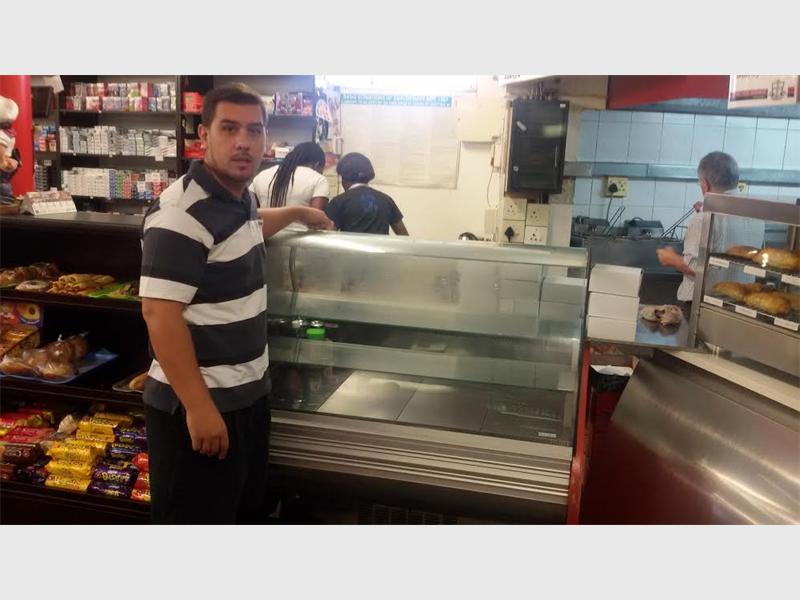
Café’s, restaurants, bakeries and fast-food outlets in Lynnwood are facing a financial crisis due to load shedding which occur during peak business hours.
The problem is certain areas of the City of Tshwane face load shedding every evening, while other areas have no load shedding at all.
Unlike other cities like Cape Town and Johannesburg, where rotational load shedding is implemented, load shedding in the City of Tshwane remains the same day after day.
In Lynnwood ward 82, residents and businesses have faced an 18:00 – 20:30 black-out almost every night for the past two weeks.
“This is the time when people decide where to go for eating out and then head for other areas, leaving the food industry in Lynnwood in a critical predicament,” Siobhan Muller, councillor for the area, said. She pointed out this was also the time when working mothers arrive home and have to cook dinner.
Small businesses had to look at buying generators, with quotes from R 32 000 to R105 000 in a bid to keep their doors open. Students at the University of Pretoria used to be within walking distance of food outlets, but can no longer do so as shops in the area are all experiencing load shedding at that crucial time. In addition, there are no buses running to shops further away.
A local café closes its doors as soon as natural light fails, when this is normally the busiest time of day for food sales. Fast food outlets have the same problem.
One such café owner, Roger de Jesus of St George’s Cafe in Lynnwood, said load shedding in the area goes like clockwork from 6.00 to 8.30. “It is not only my business which is affected. This is a time when people are buying food and takeaways, but we can’t operate without power. A fortnight ago the power-sharing continued for a whole week with the exception of Friday. Last week it was Tuesday and Wednesday. To conduct business in these conditions you need a generator. Considering the fact that all fridges and stoves need electricity, an above average generator is needed. My research showed a generator that will be able to run all my utilities, costs in the region of R105 000,” he said.
He said none of the businesses in close proximity to him that also specialise in food, have any generators.
“This load shedding also has an indirect costing spin off in that food go bad and has to be thrown away. Apart from that, fridges break down due to the power surge every time electricity kicks in again. On the whole, the power-sharing is not only affecting individual businesses in the area but the whole area very badly. All shops in the area are in the same predicament, and it is fair to say that several thousands of rands are lost weekly, simply because power cuts occur on main hours when we all have to conduct business,” he said.
Casper Genis of Garsfontein said he felt some suburbs are victimised by the metro’s decision of which areas will be targeted for load shedding. “I may be mistaken, but I doubt there will be load shedding at the president’s residence or in affluent areas where ambassadors live. In Garsfontein, however, we have experienced load shedding since Friday on three consecutive days from 10:00. In Moreleta Park, which is just opposite the street from where I live, people don’t experience load shedding. I do understand why there should be load shedding, but I think the way it is done is unfair,” he said.
Muller said she has been inundated with sms-messages, emails and phone calls from desperate business owners and angry residents.
“We have taken the matter to Section 79 Portfolio Committee for Economic Development, as the schedule in its current form is having a very negative impact on the economy of the city. The schedule needs urgent revision and rotational load shedding has to be implemented to save small businesses from closing doors and many people losing their jobs,” she said.
Muller mentioned that the problem is not unique to one ward, but affects all areas of the city with load shedding during evenings. Some suburbs hardly ever experience load shedding as their time is during early morning hours, before the start of the day. Others seem to escape load shedding for unknown reasons. She said a request has been submitted to the metro for rotation on numerous occasions.
Tshwane promised to consider these requests but to date there has been no change to the schedule.
For free breaking and community news, visit Rekord’s websites:
For more news and interesting articles, like Rekord on Facebook or follow us on Twitter.