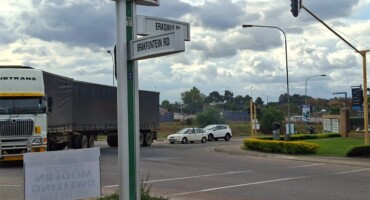
Thousands of potholes fixed
Tshwane metro will be held responsible for the costs incurred by civil rights organisation AfriForum’s campaign to fix potholes in the city.
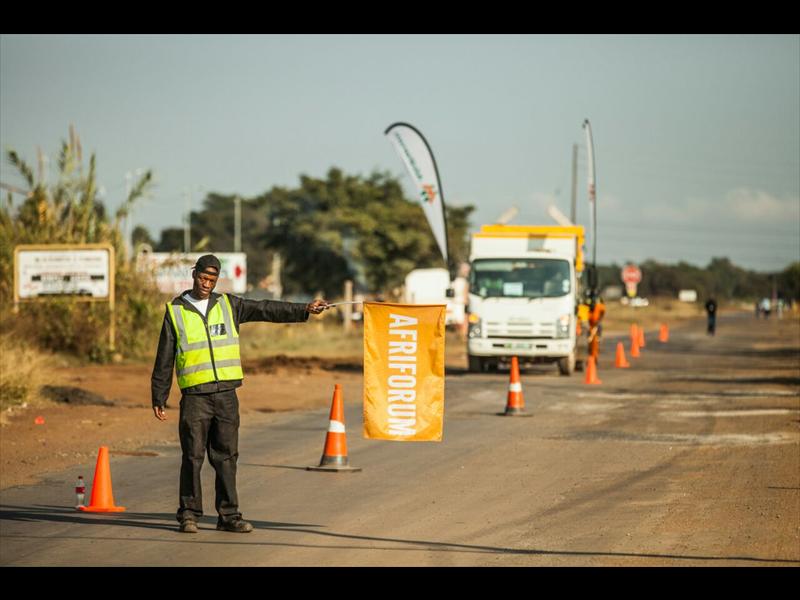
Potholes of more than 700 square metres were fixed by AfriForum in the north of Pretoria this month at a cost of R150 000.
The drive to repair roads – at a cost of R2-million countrywide and R250 000 in Pretoria alone – formed part of a “self-do” initiative launched by the civil rights organisation on 9 May.
“Communities should become less dependent on government and rather be self-sufficient,” said Tarien Cooks, AfriForum’s provincial coordinator for Gauteng North.
Potholes in Pretoria and other cities were being repaired after municipalities were warned in writing by AfriForum that its members would repair the roads themselves.
If local authorities failed to act on the warning, the work was done by the organisation.
“Municipalities who fail to adhere to the demands will however, be responsible for the cost (incurred by AfriForum),” said the organisation’s head of local government Marcus Pawson.
The fixing of potholes in the Apies River rural area north of the city started on 16 May, and saw 735,35 square metres of holes being filled up.
Nationally, Pothole Month will see the repair of some 12 000 potholes at a cost of R2-million in areas where AfriForum had branches.
“During the organisation’s 10 days of self-reliance campaign held last year, about R1,3-million was spent on pothole repairs,” said Pawson.
“With this year’s campaign, we want to have an even greater effect by improving roads across the country.”
A total of 125 AfriForum branches were participating in this year’s campaign, during which more than 300t of tar would be used during the roadworks.
The campaign ends on 31 May.
“State dependence must make way for community self-reliance,” said AfriForum CEO Kallie Kriel when the organisation launched the initiative last year.
The initiative aimed to show communities they were not dependent on the state to solve their service delivery problems.
“For nearly 20 years, communities have been involved in talks with local authorities in an effort to get them to do their job. This strategy had mixed success at best,” said Kriel.
“The time has come for communities to roll up their sleeves and to take responsibility for their basic services and security.”
Other self-do projects involved the fixing of street lights, the treatment of polluted rivers, the cleaning up of dumps and the restoring of critical infrastructure in towns.
In some places, AfriForum worked with the municipalities and police, but where this was not possible, branches mobilised communities to revamp their towns and cities themselves.
Do you have more information about the story? Please send us an email to editorial@rekord.co.za or phone us on 083 625 4114.
For free breaking and community news, visit Rekord’s websites:
For more news and interesting articles, like Rekord on Facebook, follow us on Twitter or Instagram.
- We have exciting news! We’re offering a free alert to help you always be in the loop. Send an email with the word ‘Subscribe’ to breakingnews@rekord.co.za to receive your free daily breaking news update.