Mamelodi survivors speak out about 1976 uprising
Mamelodi residents remember 1976 as the year that changed their lives.
The story of the 1976 Soweto Uprising is well known.
– 575 people were killed when the police opened fire on protesting pupils, students and residents, but the police only acknowledge 451 deaths.
– 3 907 people were injured, but the police only claim responsibility for 2 389 injuries.
– 5 980 people were arrested.
There is however, little known about the pain Mamelodi residents suffered just five days after the 16 June uprising.
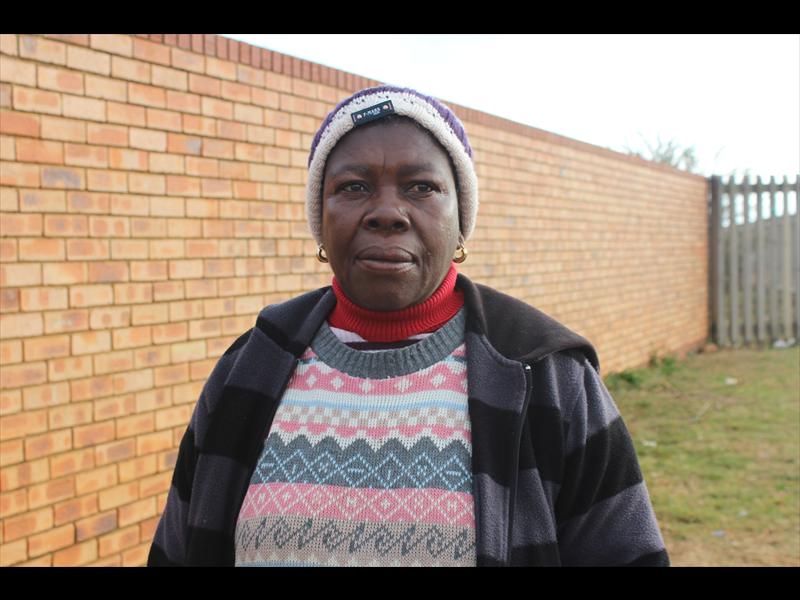
Rekord found three locals who told of the great pain of losing family members and friends, the torture and the emotions buried under 40 years of silence.
Mama Elizabeth Maimela, who was 18 at the time, was not a political activist but was arrested and tortured into confessing to things she did not know.
Her friends, who were activists, were also arrested and detained without trial for a week.
Some people simply disappeared, presumed to have been killed at the hands of the Silverton police.
Gogo Susan Mulambo (now 61), who was arrested with Maimela, described her suffering.
“I was arrested in the evening of 21 June with other young comrades. Someone must have snitched on us and we had planned to bomb [the homes] of some community leaders we suspected of selling us out.”
These community leaders were accused of being in talks with government officials from the department of education.
“I think they [officials] wanted the pupils to go back to class even though we were against the language policy that was to be implemented.”
Gogo Mulambo has no children because she became infertile after being brutally tortured by the Silverton police.
“They tortured and raped some of the girls I was with,” she said.
She described how an iron rod was heated then inserted into her vagina on more than 10 occasions in an effort to get her to talk.
Baba Zitha Khumalo (50), a security guard at Nellmapius Primary School, said a lot of issues have not been addressed since that traumatic day.
Watch as baba Khumalo retells his painful story:
“Many people, myself included, are still comforting ourselves over what happened. We are reeling even today.”
Baba Khumalo lives in the Mandela informal settlement, where the poorest people of Mamelodi live.
He said even though it was 40 years ago, the pain his family and other people he knew endured was still unbearable.
He remembered being woken up by his cousin, William, as the police raid began. That was the last time baba Khumalo saw his cousin.
“He [William] was last seen in an altercation with the Silverton police. Whether he is alive today or not we don’t know.”
Mama Maimela and baba Khumalo said they believed that the youth of 1976 had died in vain because very little had changed in 40 years.
Gogo Mulambo agreed and said she thought her efforts were never appreciated by the government.
Today, she lives in the same shack she has called home for the past 35 years.
mk/np
Also read:
Police to host expo on Youth Day
Do you have more information about the story? Please send us an email to editorial@rekord.co.za or phone us on 083 625 4114.
For free breaking and community news, visit Rekord’s websites:
For more news and interesting articles, like Rekord on Facebook, follow us on Twitter or Instagram.
- We have exciting news! We’re offering a free alert to help you always be in the loop. Send an email with the word ‘Subscribe’ to breakingnews@rekord.co.za to receive your free daily breaking news update.