CSIR launches online climate risk profiling and adaptation tool
“In an effort to adapt to this expected future, the Green Book is set to become an invaluable online tool to support municipal planning with the development of climate-resilient settlements.”
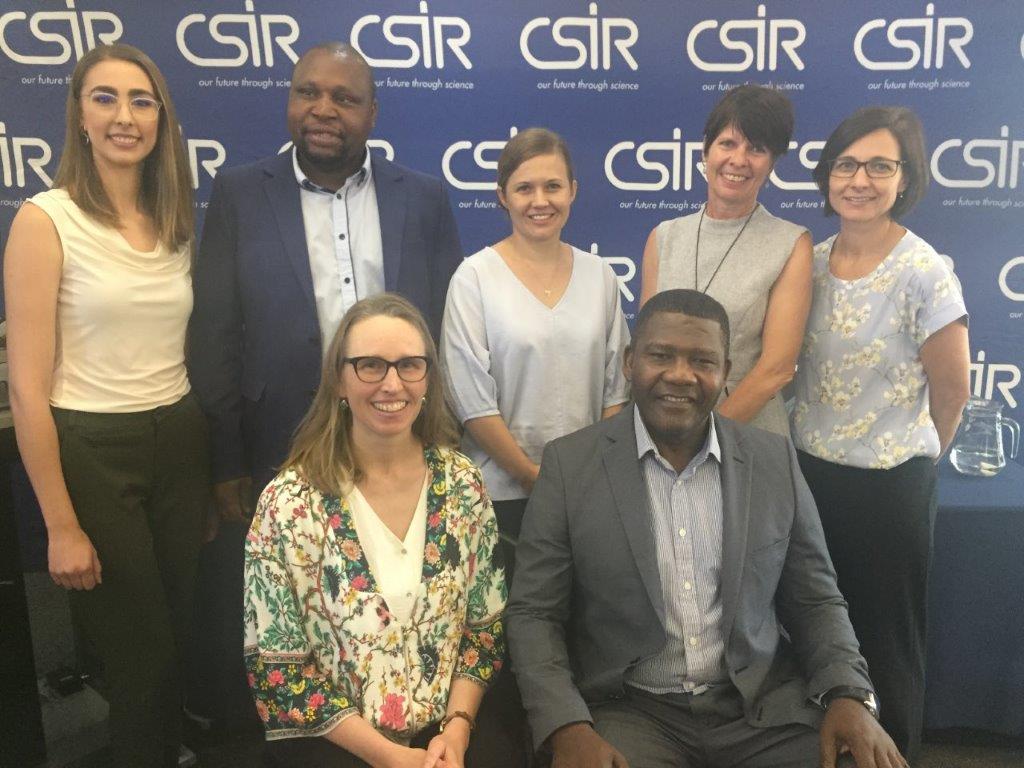
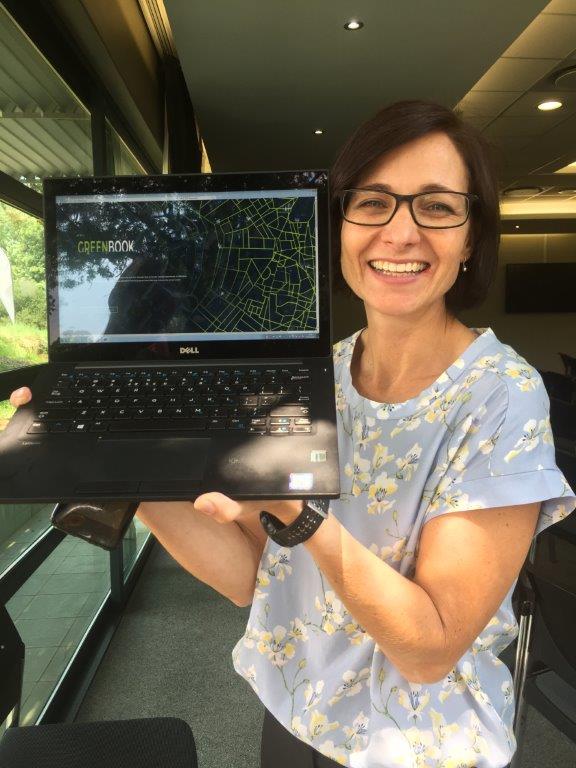
A “state-of-the-art” online tool known as the Green Book has been launched by the Council for Scientific and Industrial Research (CSIR).
“The Green Book is intended to be an applied knowledge resource for municipalities to address climate change impacts and vulnerabilities in human settlements,” said CSIR senior researcher and project leader, Willemien van Niekerk.
“The objective is to assist decision-makers in the local government sphere to better understand the consequences of climate change, and how to respond.
“The ultimate goal of the Green Book is to contribute to resilient, sustainable and liveable human settlements through climate change adaptation.”
The Green Book is a novel and unique attempt at interdisciplinary applied sciences that combine the expertise of researchers in climatology, demography, disaster risk sciences, environmental sciences, geography, informatics, urban planning, economics, ecology, architecture, anthropology, hydrology and statistics.
ALSO READ: East residents worry about planned biogas plant at CSIR
The Green Book forecasts to the year 2050 by projecting human settlement growth combined with quantitative scientific evidence of the likely impacts that climate change will have on South African towns and cities. Every settlement risk profile proposes customisable adaptation actions, to be considered for integration into local plans and strategies that are to be implemented.
It offers illustrative examples of adapting to climate change as essential components of urban development and management. It also reinforces the idea that sustainable development in urban areas must include disaster risk reduction and climate change actions to reduce vulnerabilities.
The development of the Green Book was funded by the International Development Research Centre in Canada and the CSIR, and partnered by the National Disaster Management Centre. The Department of Environmental Affairs, the National Disaster Management Centre and Santam are committed to partner with the CSIR in phase II of the Green Book.
ALSO READ: UPDATE: East biogas plant decision still pending
“This phase will focus on rolling out the Green Book for implementation in municipalities most at risk, identifying gaps in research and development of this kind, and building capacity of officials and departments to deal with climate change adaptation. Given the risks, there is a great need for proactive investment in disaster risk reduction in South African urban settlements in order to cope with increasing extreme events in future,” said Van Niekerk.
The chief director of the National Disaster Management Centre, Ané Bruwer, said the future climate of South Africa is generally expected to be characterised by increased temperatures and changes in rainfall.
She said extreme events such as floods and hailstorms already threaten settlements in the country and they are likely to cause damage to residential, transport and communication infrastructure, which would have knock-on effects on economic development and negatively impact service delivery and sustainable development in the areas of greatest need.
“In an effort to adapt to this expected future, the Green Book is set to become an invaluable online tool to support municipal planning with the development of climate-resilient settlements,” she said.
ALSO READ: UPDATE: AfriForum opposes CSIR biogas plant
Do you have more information about the story? Please send us an email to editorial@rekord.co.za or phone us on 083 625 4114.
For free breaking and community news, visit Rekord’s websites:
For more news and interesting articles, like Rekord on Facebook, follow us on Twitter or Instagram