Water, electricity and infrastructure backlogs are some of the Tshwane metro’s biggest challenges.
This was according to Tshwane mayor Stevens Mokgalapa during his state of the capital address at Tshwane house last Thursday.
“These backlogs are being prioritised, based on their gravity and urgency,” Mokgalapa said.
“I can assure you that all these issues have been incorporated in the draft 2019/20 integrated development plan.
“I urge all residents to take part in the consultation processes.”
He said he has also met with strategic partners rendering services to the city.
“Last week in a meeting with service providers and suppliers, I told them we will no longer tolerate shoddy work.”
ALSO READ: NEWSFLASH: SOCA goes ahead despite ANC walkout
Vast backlogs in addressing service delivery problems, however, remained.
In the west of Pretoria, long grass was one of the biggest issues, said local ward councillor Frik van Wyk.
“Grass is growing out of control in my ward,” he said.
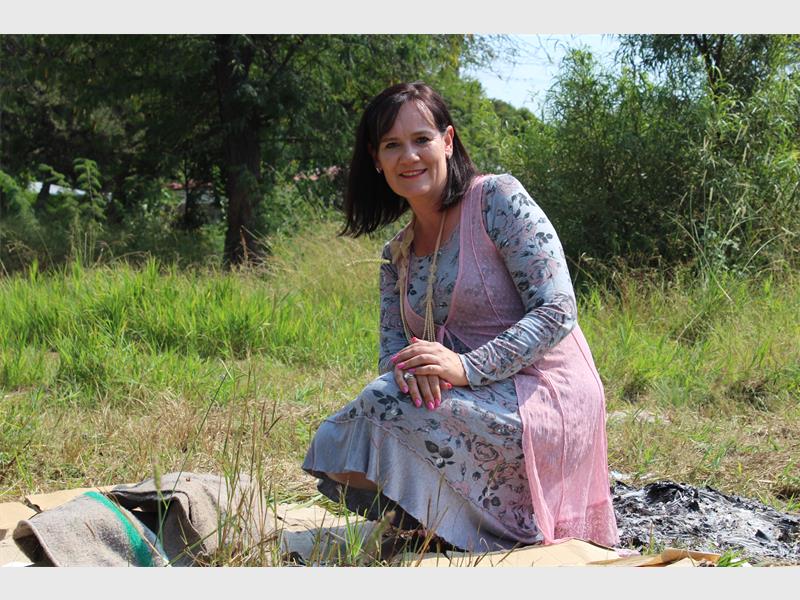
Another ward councillor, Elmarie Linde said maintenance at the streams in her ward remained a great struggle for residents.
“I asked our parks department to do the work better and neater because they do not use the bush cutters to cut next to the gate,” she said.
“I also asked that they cut the grass at the streams again.”
Linde urged residents to keep the area safe.
“We can cut as much as we can, but that would not help if a property is not being secured,” she said.
She said she was thankful that the mayor was pro-service delivery.
ALSO READ: Mayor proud of new Tshwane crime app
Solutions and suggestions are being sought to tackle problems, said Mokgalapa.
Mokgalapa said the metro has worked tirelessly to improve the provision of water and sanitation.
He said 16 756 households have been connected to water fitted with the metro’s new meters.
The metro set itself a target of 43 050 households, “which means that currently we can only account for 38.92% of the job”.
“There is still work needed to ensure the remaining households are fitted speedily.”
Mokgalapa said the metro was planning to build a 211km storm water drainage which will alleviate some of the pressure on existing systems.
“In the rolling out of electricity meters, we hope to curb the loss of electricity by 10%.”
More than 183km of road construction are being rolled out to address public transport demands.
ALSO READ: Long grass also a problem in the Moot
“Around 17km of bus lanes are under construction and earmarked for completion in the next financial year.”
Mokgalapa said energy conservation and preservation of natural resources were as important as service delivery.
“The city will always bear in mind it has obligations to the environment. Strategies to deal with these problems must not compromise the environment in any way.”
As part of its commitment to this, the metro has implemented an integrated urban management framework.
“We are working towards a city that delivers the same quality across all neighbourhoods. We believe this reimagined approach to service delivery will help in achieving these goals.”
He said this approach has resulted in more engagements between his office, councillors and communities.
ALSO READ: Beware of prepaid meter tampering
Mokgalapa said the city continued to take a knock from carbon emissions and the irresponsible use of scarce resources.
A critical achievement regarding nature preservation was the city being selected as a pilot in the national treasury’s “mainstreaming climate change responsiveness into built environment performance plans projects”.
“It is an honour to be chosen,” he said.
“The city has also employed numerous strategies such as earth hour, Tshwane green ride, car-free day and Tshwane green pitch – all of which are geared towards creating an environmentally-friendly attitude.”
The metro has also launched two projects funded by the C40 cities financial facilities programme.
These projects were the establishment of wastewater to energy generation at the Zeekoegat wastewater treatment works and non-motorised transportation in Solomon Mahlangu Drive.
C40 is a network of the world’s megacities committed to addressing climate change. The programme helps cities to finance green infrastructure projects.


Do you have more information about the story? Please send us an email to editorial@rekord.co.za or phone us on 083 625 4114.
For free breaking and community news, visit Rekord’s websites:
For more news and interesting articles, like Rekord on Facebook, follow us on Twitter or Instagram