Tshwane metro requested to commit to plight of the homeless
More than 500 people using substances were supported through opiate substitution therapy programmes.
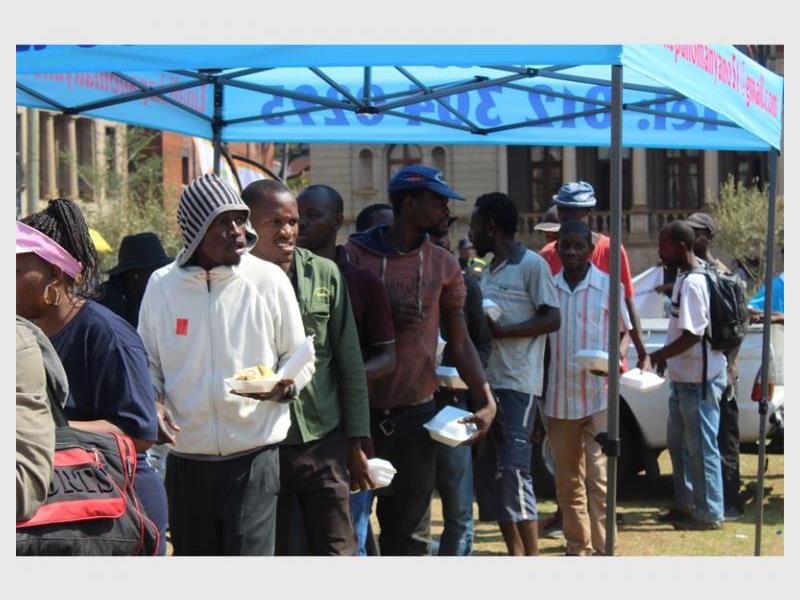
Tshwane metro’s commitment to resolving the plight of the homeless has been questioned as a policy, adopted by the metro in July 2019, remains unimplemented.
Representatives of both the Community Oriented Substance Use Programme (Cosup), the University of Pretoria and Unisa, who are part of the homeless task team, have written to Tshwane administrator Mpho Nawa to clarify plans for the homelessness in the metro.
The issue is for the 10-point plan agreed to, to be adopted immediately. An appropriate budget to implement the plan also needs to be developed for permanent shelter facilities to be created in all seven the metro’s regions.
“These facilities need to be identified, secured and renovated as a matter of urgency, right now, to be ready once level 2 and level 1 of the lockdown is reached,” the Tshwane Homelessness Forum said in a letter to the metro.
“The past 11 weeks since start of lockdown were significant and game-changing in the Tshwane metro when it came to addressing homelessness.”
ALSO READ: Tshwane metro no longer considering current shelters for permanent homes
The forum said after an initial false start, ‘what we experienced was a profound collaboration between the metro, NGOs and researchers to provide homeless persons with safe spaces, holistic care and opportunities to find pathways out of homelessness’.
The forum said in March, they forged a joint plan between the department of community and social development services in the Tshwane metro and the Tshwane homelessness forum.
It said the plan was titled ‘Covid-19 Proposed Plan for Physical Distancing, Social Isolation and Reduced Risks for Homeless Persons in Tshwane’.
“This plan formed the basis for what then transpired.”
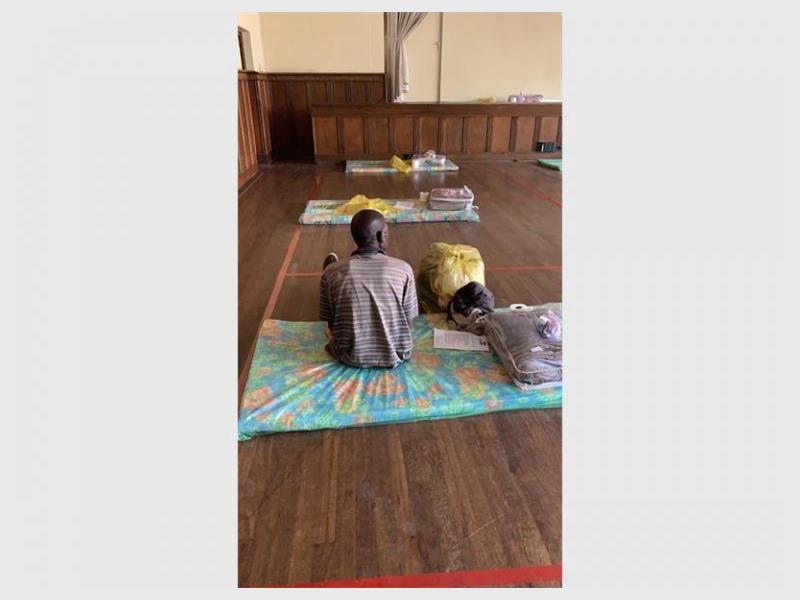
The forum said through the plan, the collective and the metro were able to accommodate more than 1 800 homeless people in 23 temporary Covid-19 shelters.
“Some shelters were city-managed and others NGO-managed. In a matter of 20 days, we were able to achieve in the city what we were unable to achieve in 10-20 years.”
The forum said a data management system was created and a resource management system, intake assessment app, a site management training module were developed.
The forum said a standard operating procedure was also drafted for the shelters and for health protocols in the shelters.
ALSO READ: DA fights to restore Tshwane metro council
“Basically, an entire ecosystem was created collaboratively for managing street homelessness in the metro in a way that could facilitate the reintegration of homeless persons sustainably into communities.”
More than 12 000 coronavirus screenings were also done in this period.
“People who lived with HIV, TB, Hepatitis B/C, chronic mental illness or other illnesses, were sometimes diagnosed for the first time and put on treatment.”
More than 500 people using substances were supported through opiate substitution therapy programmes.
“The forum also said two new permanent facilities were opened for older homeless persons, contributing significantly to reducing the numbers of older homeless people to virtually 0%.”
However, Tshwane metro spokesperson Selby Bokaba said there were no permanent facilities opened. Bokaba said the metro, together with the forum had identified buildings belonging to the metro and the government which could be ideal for the homeless programme.
He said there a number of buildings had been identified for the homeless programmes.
“The buildings include old schools, old city-owned buildings and old buildings which belong to other spheres of government.”
Some of the activities in the plan such as family reunifications of the homeless are being implemented by social workers.
Bokaba said the metro was working together with the forum to finalise the homeless strategy which would also create a basis on how much the homelessness budget would be and the timeline for implementation. He said the metro had also approved the street homelessness policy.
Bokaba said the metro was aiming to fight homelessness while Covid-19 was also an issue by partnering with various stakeholders.
“Covid-19 provided an opportunity for the metro with partners to deal with issues of homelessness with effectiveness.”
The metro now has an idea of how many homeless people are in Tshwane.
He said most homeless people were in shelters and that there was a plan for programmes to start in temporary shelters. He said these programmes included family reunification, social work services, skills development and substance abuse programme.
“The plan is to continue with the same programme in more permanent shelters currently been made.”
Do you have more information about the story? Please send us an email to editorial@rekord.co.za or phone us on 083 625 4114.
For free breaking and community news, visit Rekord’s websites:
For more news and interesting articles, like Rekord on Facebook, follow us on Twitter or Instagram