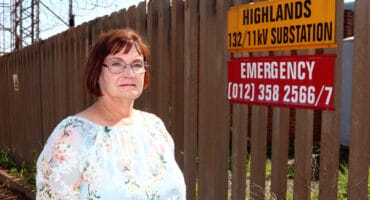
Squatter camp growing
“They’re living out in the cold in one of the coldest winters we have had in years, having to fend for themselves.”
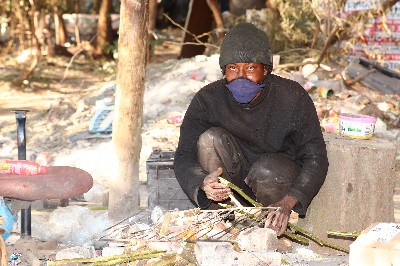
Erasmuskloof, Wingate Park and Moreleta Park residents are up in arms about a mushrooming squatter camp on the corner of Solomon Mahlangu and Delmas roads.
The area has been a headache to residents over the past few years with many complaining about an increase in crime in the area as well as unhygienic living conditions.
At first, the area near the Wolwespruit was only home to a few vagrants who often slept there, using cardboard and plastics. They are, however, said to have seen an increase in number over the past few months
“Lately more illegal dwellers have moved in,” said ward 47 councillor Daryl Johnston.
It has become so crowded now that the latest additions to the camp had to build their shelters in more open and visible areas.
“Structures were erected there a few years ago, but were obscured by vegetation.”
Johnston said even though the area was situated in ward 83, it affected surrounding areas including his own ward.
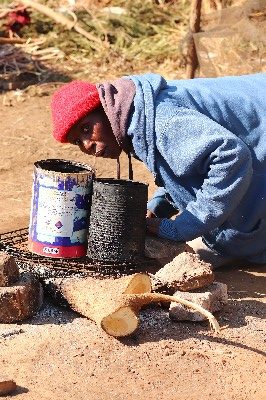
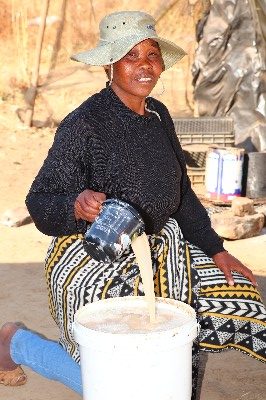
He said crime in Wingate Park has increased, especially between Magato and Richmond streets.
“The area experienced everything from brass house numbers being stolen to residential break-ins,” he said.
Private security companies and the Lyttelton sector 4 community policing sub-forum (LS4 CPSF) are mainly responsible for patrolling the area.
Johnston said several letters have been sent to the Tshwane administrators by community groups, including the Wingate Park residents association (Wipra), the Lyttelton sub-forum, the Garstkloof residents action group (Grac) and Welriet.
These groups urged them to assist the vagrants by providing them with a proper place of shelter and dignified care, especially during the Covid-19 pandemic.
“A wetland is not where people should be living, particularly in such inhumane conditions. To date, as far as I know, they have not received a response from the administrators.”
Johnston said he and fellow councillor, Francois Bekker of ward 83, have also contacted former mayor Stevens Mokgalapa as well as the former environment and agriculture, economic development, housing and community safety MMCs about the issue.
However, since the council was dissolved in March, both Johnston and Bekker no longer have any powers as official ward councillors.
“At a time where our residents, who elected us democratically, needed us the most, we are unable to represent them and assist them directly in dealing with such a crisis,” Johnston said.
Bekker called on Tshwane administrator Mpho Nawa to halt the growth of the squatter camp
“It is feared that if the administrator and his team do not intervene soon, this piece of land that belongs to the Tshwane metro will be burdened with another fully-fledged informal settlement,” he said.
The area in which the land in question is located is a wetland and forms part of the Tshwane green belt where the Wolwespruit originates.
“This is an ecologically threatened area that is now heavily polluted.”
Bekker said the administrators’ office has acknowledged the letters sent by residents, community interest groups and CPFs.
Wipra chairperson Amelia van der Merwe said the metro has done very little to find relief for the informal settlement people, especially during the Covid-19 pandemic.
“The metro has done nothing to protect them and find a place that has some type of services for them
“They’re living out in the cold in one of the coldest winters we have had in years, having to fend for themselves.”
Van der Merwe said they have also been informed that there are women and children living in the area.
“We are not even sure if screening for Covid-19 has been done there, or if any health issues have gotten any attention.
She also raised concerns about damage to the ecology of the spruit and people’s health given that “the people probably used the spruit as a toilet and for bathing”.
“The spruit goes down the Kloof hospital and down the Wolwespruit mountain biking trail. There are people who go hiking there; it creates an unhealthy situation,” she said.
“That’s part of the catchment area for water that we get for drinking.”
The Tshwane metro had yet to respond to Rekord’s enquiries on this matter at the time of going to press.
Do you have more information about the story? Please send us an email to editorial@rekord.co.za or phone us on 083 625 4114.
For free breaking and community news, visit Rekord’s websites:
For more news and interesting articles, like Rekord on Facebook, follow us on Twitter or Instagram