Ward 50 residents feel ‘ignored’ as traffic calming plans remain unfunded
The metro has confirmed that traffic-calming measures in Ward 50 have not been funded for six years, leaving high-risk routes without upgrades. Residents say speeding near schools remains a daily danger, while requests remain on an implementation register.
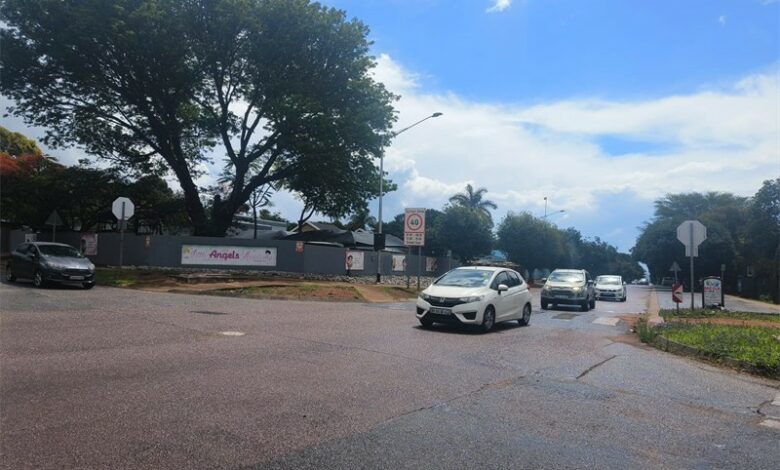
Residents, motorists, and school communities in Ward 50 continue to face daily safety risks as long-promised traffic-calming measures remain stalled, with the Tshwane metro confirming that no funding has been allocated to such interventions in the area for the past six years.
The prolonged delays have intensified concerns along busy routes such as Braam Pretorius Street and surrounding roads near Northridge Primary School, Hoërskool Overkruin and Laerskool Wonderboom, where speeding vehicles and heavy traffic volumes pose a constant threat to pedestrians, learners and motorists.
Ward 50 councillor Lenise Breytenbach said the situation has reached an unacceptable level, with repeated efforts to secure interventions yielding no results.
“We have been applying for circles, traffic calming and signage for years, and every time we are told finances are the issue. Our community cannot wait indefinitely while risk increases daily,” she said.
Breytenbach confirmed that multiple requests, including those for Carlo Street, Marico Avenue, and areas near Stefanus Roos Laerskool remain on the metro’s implementation register with no clear timeline for action.
Metro spokesperson Lindela Mashigo reiterated that the Roads and Transport Department has not received any council funding for traffic-calming measures in Ward 50 during the last six years due to ongoing budget constraints.
He explained that while the metro has conducted inspections and identified several high-risk areas, it has been unable to implement the necessary measures.
“The identified and warranted traffic-calming measures have been recorded on the metro’s priority list and will be addressed once funding becomes available,” he said.
Mashigo added that although communities and schools have raised concerns and requested urgent interventions, financial limitations have prevented the municipality from acting, even in high-risk zones.
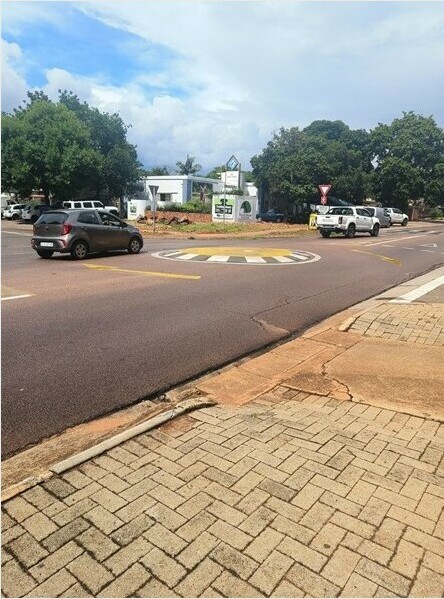
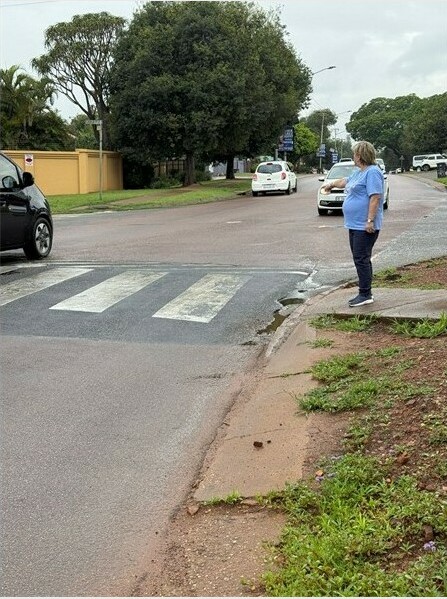
The absence of funding has also ruled out interim or low-cost solutions.
According to Mashigo, the metro is unable to introduce temporary measures such as additional signage, road markings or portable speed humps, as these still require budget allocation.
He further noted that portable speed humps are not compliant with the South African Road Traffic Signs Manual and are therefore not considered a viable option.
The metro has engaged with schools to provide guidance on improving traffic flow, including managing drop-off and pick-up arrangements, but no physical road safety upgrades have been implemented.
Residents said the situation has left them feeling vulnerable and ignored.
Elmarie du Plessis described the daily reality as frightening, especially for families with children.
“We see cars speeding down Braam Pretorius every single day. Children, elderly people and even cyclists are constantly at risk. How is it that nothing can be done for more than four years?” she said.
Du Plessis added that she no longer allows her children to walk alone in the area due to reckless driving and a lack of enforcement.
Another resident, Siyabonga Nkosi, said the lack of progress reflects a broader failure in service delivery.
“It’s not only about the schools. It’s all of us, motorists, pedestrians, and cyclists. We are all exposed. We keep hearing about funding shortages but what are we supposed to do in the meantime?” he said.
Mashigo noted that some progress has been made in previously disadvantaged areas through the Urban Settlements Development Grant, but stressed that this funding is conditional and cannot be redirected to areas such as Ward 50.
“The metro does not have the authority to amend these conditions to accommodate other areas,” he said.
Mashigo further explained that all traffic-calming requests are assessed using a structured prioritisation system to ensure fairness across all wards, meaning Ward 50 cannot be prioritised above others despite the risks raised.
In terms of enforcement, he said data from the TMPD and the SAPS is used to inform prioritisation, but confirmed that no formal accident reports have been recorded for the specific roads in question.
With no dedicated funding, interim measures or timelines, the metro has indicated that residents may need to explore alternative solutions.
Mashigo said options such as development bulk contributions, public-private partnerships and community-based initiatives through the Community Upliftment Programme could be considered on a case-by-case basis, potentially requiring financial contributions from residents or interest groups.
ALSO READ: Motorists welcome long-delayed road repairs at key intersection in Lyttelton Manor
Do you have more information about the story?
Please send us an email to bennittb@rekord.co.za or phone us on 083 625 4114.
For free breaking and community news, visit Rekord’s websites: Rekord East
For more news and interesting articles, like Rekord on Facebook, follow us on Twitter or Instagram or TikTok or WhatsApp Channel