No significant increase in Tshwane trauma cases, since lifting of alcohol ban
Mediclinic SA chief clinical officer Dr Gerrit de Villiers said that following the withdrawal of the alcohol ban, they had not seen a significant increase in alcohol-related admissions to their hospitals.

There has not been any significant increase in trauma cases in the Tshwane metro after the alcohol sales ban under level 3 was lifted by President Cyril Ramaphosa.
This was despite reports claiming trauma cases nationally had increased due to the ban being lifted.
The resumption of alcohol sales followed an assessment by the national Coronavirus command council to lift various restrictions aimed at curbing the spread of Covid-19.

Tshwane emergency services department spokesperson Charles Mabaso said from 2 to 7 February, they responded to 16 trauma incidents, 46 medical incidents and 32 accidents.
Mabaso said the numbers did not, however, represent a rise in the number of incidents compared to those attended to during the week of 26 to 31 January 2021.
He said the Tshwane EMS would continue to monitor the trends.
The Tshwane EMS said it was expecting more patients being treated after the resumption of alcohol sales.
“An increase in the number of trauma incidents related to the abuse of alcohol is not uncommon and may also lead to emergency services treating and transporting more patients to health facilities.
“Drinking and driving has the potential to increase road accidents where emergency services may treat and transport an increased number of people to health facilities,” he said.
Mabaso called on residents to adhere to repeated calls to observe the health protocols of regularly sanitising and washing hands, keeping social distance and wearing masks in public.
“The management of the spread of Covid-19 requires a responsible lifestyle by all in society. We plead with residents not to drink and drive, and avoid crowded places, particularly prolonged indoor social contact without masks on.
“Residents must do all in their might to adhere to Covid-19 regulations as these are aimed at ensuring the safety of our lives and livelihoods.”
Life healthcare regional manager Johan Holder said the emergency units at Life Wilgers hospital, Life Eugene Marais hospital and Life Groenkloof hospital had also not shown a significant increase in alcohol-related incidents.
“Our facilities are prepared to manage any Covid-19 or non-Covid-19 illnesses or any medical emergencies.”
Mediclinic SA chief clinical officer Dr Gerrit de Villiers said that following the withdrawal of the alcohol ban, they had not seen a significant increase in alcohol-related admissions to their hospitals.
De Villiers said Mediclinic continued to encourage members of the public to adhere to national guidelines on social distancing, the use of masks in public and safe hygiene practice.
“Minimising transmission remains a key factor in managing the effects of the pandemic and everyone needs to play their part in preventing further spread.”
During the second wave, both the private and public hospital sectors had sustained a sudden increase in the number of Covid-19 patients.
In the past two months, hospitals were experienced high volumes of patients within the ICU and high care units and were unable to accommodate any further patients in these units for a period of time.
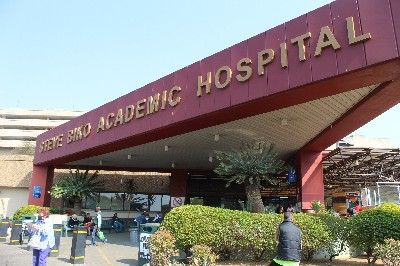
Steve Biko academic hospital in Pretoria was one of the hospitals that saw a sharp increase in the number of Covid-19 patients since December 2020.
Images of Covid-19 patients being treated outside tents at a hospital made rounds on social media.
Gauteng department of health spokesperson Kwara Kekana said the increased number of patients who were sicker and required critical care, with some arriving in groups and putting serious pressure on the facility.
Kekana said some of the patients the hospital received were from private facilities because of a lack of space.
* Notice: Coronavirus reporting at Caxton Local Media aims to combat fake news
Dear reader,
As your local news provider, we have the duty of keeping you factually informed on Covid-19 developments. As you may have noticed, mis- and disinformation (also known as “fake news”) is circulating online.
Caxton Local Media is determined to filter through the masses of information doing the rounds and to separate truth from untruth in order to keep you adequately informed.
Local newsrooms follow a strict pre-publication fact-checking protocol. A national task team has been established to assist in bringing you credible news reports on Covid-19.
Readers with any comments or queries may contact National Group Editor Irma Green (irma@caxton.co.za) or Legal Adviser Helene Eloff (helene@caxton.co.za).
Do you have more information about the story?
Please send us an email to editorial@rekord.co.za or phone us on 083 625 4114.
For free breaking and community news, visit Rekord’s websites: Rekord East
For more news and interesting articles, like Rekord on Facebook, follow us on Twitter or Instagram