Tshwane mild water restrictions remain despite rainy season
Meanwhile, department of water and sanitation says significant rainfall seeing high dam levels would secure water for the dry winter seasons.
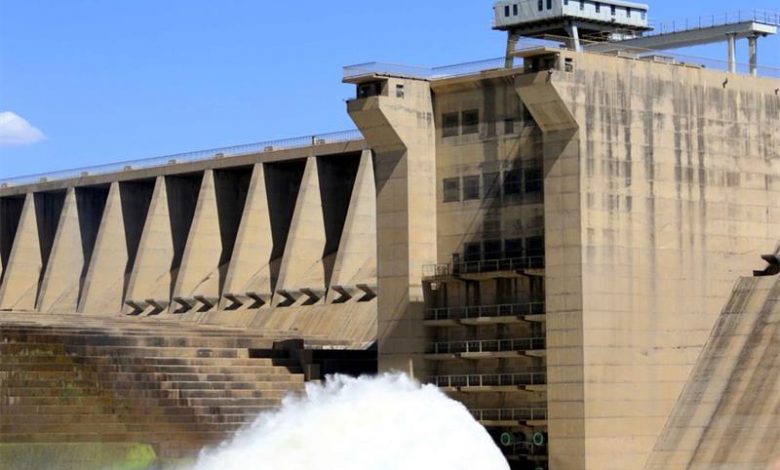
Despite good rainfall in the region, the Tshwane metro remains concerned over water security against demand with mild water restrictions remaining in place.
Tshwane spokesperson Lindela Mashigo said dams within Tshwane had been on an average of over 85% before the rainy season. However, this had minimal impact to the water supply demand in Tshwane as they provided only 21% of the total daily water demand compared to that of Rand Water which was 79%.
“The water restrictions will remain in place despite the recent good rains received in Gauteng. The restrictions imposed is to ensure continuous water supply in the region until the completion of the Lesotho Highlands project phase 2, which will provide additional water to the Integrated Vaal River System.”
The Lesotho Highlands is Rand Water’s main supplier and is currently being revamped.
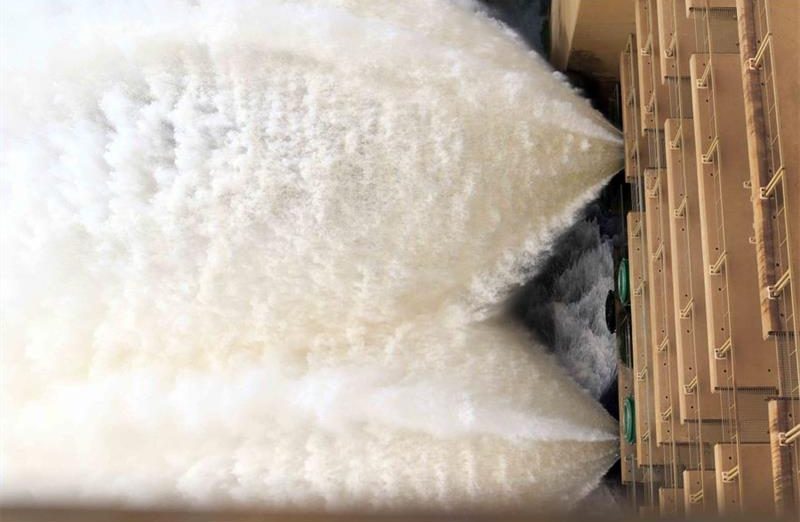
Last year the metro reported to facing restrictions to its bulk water supply which had already exceeded limits.
It then introduced some rules to save water such as no watering of gardens with hosepipes or sprinkler systems between 06:00 and 18:00.
Other measures include no washing of vehicles with hosepipes and no filling up of swimming pools. The metro has also appealed to residents to use grey water to water gardens.
Mashigo said these measures remain in place.
Meanwhile, the department of water and sanitation has said the good rainfall season over the past weeks and greater rain expected over the next month looked promising in securing enough water for the dry winter season.
On Monday, the department shared news of one of the biggest dams, the Vaal dam reaching 100%.
Spokesperson Sputnik Ratau said the rain season in Gauteng saw the region’s dams being soaked, leaving the integrated Vaal water system in good standing.
“In truth, we have had better rain than we had in the last two to three years. The Vaal dam was this morning (Tuesday) at 101% and it will keep on rising because we know over the next couple of weeks between now and end of March is when we will get most of the rain in the inland areas,” he said.
“The expectations are that even if there would be a decline it would not be substantial. We are anticipating we will have more inflow.”
Last year December the Vaal dam was at a low 25%, which saw residents concerned over water security.
Ratau said rains affected the water systems and security positively in the province.
“The more rain we experience the more water we can attain at our dams and the better for us during the dry water season. That’s why it is important to get as much rain as possible in the summer so we can go through the dry season without having to scrounge for cramps,” Ratau said.
“As things stand we look to be in a good space in terms of the water season.”
Ratau said the gains from the rain season were only important for domestic use but also assist bulk water users such as farmers and industries.
The Vaal Dam has reached 100% at 17:00 this afternoon. Meanwhile, strong inflows from the catchments supplying the Integrated Vaal River System (IVRS) continue strongly. #WaterIsLife @LindiweSisuluSA@Rand_Water https://t.co/KQppZpi2Fs pic.twitter.com/32cgqh3uEQ
— Water&SanitationRSA (@DWS_RSA) February 8, 2021
Although the dam levels were at a good standing, Ratau said water conservation was still paramount.
“Water conservation has got to be in the DNA of South Africans, it is a necessary tool because without active water conservation and rising demand levels we will be in a difficult space.”
As the dam reaches 100 % questions of over-spilling of water arose.
Ratau said the dam system was designed to handle spillages.
He said possible spillage would not negatively affect the water system.
September 2020, the Tshwane metro announced that it was facing restrictions in its bulk water supply which by then it was reported that it had already exceeded limits. This was further exacerbated by the dwindling dam levels at the Vaal dam last year.
Previously, CSIR senior researcher on holistic climate change impact Dr Asmerom F Beraki predicted that the region would have good rainfall conditions this season.
Tshwane weekly dam levels as at 1 February 2021.
Roodeplaat dam – 101.8%
Bronkhortspruit dam – 92.3%
Rietvlei dam – 102.2%
BonAccord/Leeuwkraal dam – 106.6%
Do you have more information about the story?
Please send us an email to editorial@rekord.co.za or phone us on 083 625 4114.
For free breaking and community news, visit Rekord’s websites: Rekord East
For more news and interesting articles, like Rekord on Facebook, follow us on Twitter or Instagram