SAHRC: Tshwane metro not performing in upgrading informal settlements
The South African Human Commission released a report on municipalities’ progress in upgrading living conditions for people living informal settlements. The report details that a quarter of informal settlements meant to be upgraded in the last financial year in the province did not take place.
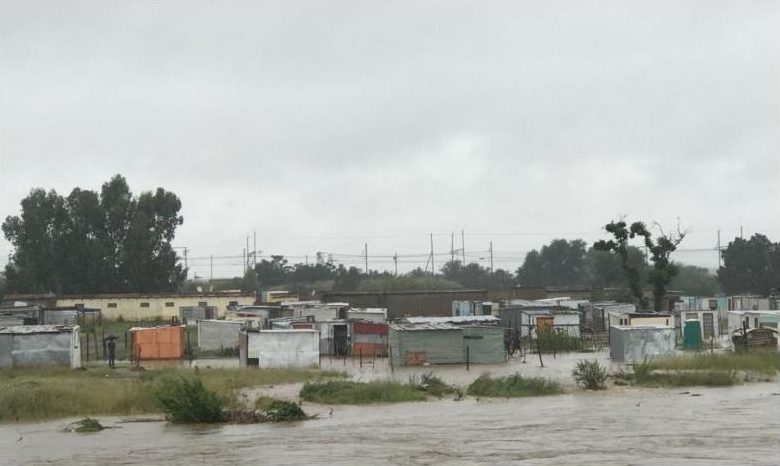
Tshwane metro’s failure to provide a plan and budget on the upgrading of informal settlements programme has left residents of these settlements uncertain of their future.
These were the findings of a report by the South African Human Rights Commission (SAHRC) released on Tuesday, titled “Towards Ensuring the Right to Adequate Housing through the Upgrading of Informal Settlements”.
The report found the metro was “self-evidently not performing” in implementing the urban settlements development grant (USDG) on upgrading of informal settlements programme (UISP).
This was attributed to the failure of the metro to submit a detailed report on the implementation of an urban settlements development grant (USDG) on upgrading of the UISP to the commission.
The report focused on examining plans developed on the upgrading of informal settlements programme, budgets allocated and money spent so far in the 2020/2021 financial year by the three metros (Johannesburg, Ekurhuleni and Tshwane).
“With regards to the USDG and the USDG UISP component, the City of Tshwane is self-evidently not performing.
“The failure to plan, budget and report around the upgrading of informal settlements is an indictment on the metro and leaves the residents of informal settlements in Tshwane uncertain of when they might expect incremental upgrading of the places and spaces they call home,” the report read.
“The uncertainty these residents face is unnecessary and any delays in working towards the right to adequate housing through the upgrading of informal settlements should be addressed as a matter of urgency especially given that funding has been made available to achieve this end.”
Dalli Weyers, presenting the report on behalf of the SAHRC, said the commission noted the metro had been placed under administration for months last year and that the administration had been successfully challenged in the courts and ultimately set aside in October 2020.
Weyers, however, said even with this background the metro historically, whether under administration or not, has not met the requirements set by the urban settlements development grant on reporting detailed implementation plans.
“In 2019/20 the metro had failed to submit their draft USDG plans. In the same year, R200-million of the USDG that had been allocated to Tshwane was not transferred to the metro due to non-performance.”
The commission detailed the metro fared no better in 2020/21 and although it managed to submit an urban settlements development grant plan it had very little detailed information on implementation plans.
“In short, the Tshwane metro in its plans has not listed any projects that would benefit from the USDG UISP component made available to it – an amount of R320-million.”
The report stated that the failure of the metro to meet requirement plans for the upgrading of informal settlements suggested poor planning, budgeting and poor reporting, and showed a lack of commitment to ensuring the right to adequate housing.
“These shortcomings invariably mean that residents of informal settlements in Tshwane are likely to have to wait even longer to be reflected in metro’s plans and budgets and that the systematic incremental upgrading of households will be delayed.”
Weyers said there needed to be further monitoring on the informal settlements grants to ensure prioritisation of the needs of people living in informal settlements would be met.
The report found that 25% of the number of households in informal settlements targeted for upgrading in 2019/20 were not upgraded in the province.
Reacting to the findings of the report, Tshwane MMC for Housing and Human Settlement Mpho Mehlape-Zimu said although there was still some work to be done, she believed that the metro had done “reasonably well.”
“The metro has implemented various plans that will ensure that it maximizes its spending on urban settlements. Although there’s still some work to be done, we believe we have done reasonably well. This is evidenced by the national government’s commitment to further grant the city an additional R100-million.”
It also found in Gauteng’s three metros the percentage of households living in informality was at:
– 18.4% for the City of Ekurhuleni
– 19.1% for the City of Johannesburg
– 16.4% for the City of Tshwane
The percentage of households without access to electricity stands:
– 20.2% for the City of Ekurhuleni
– 29.2% for the City of Johannesburg
– 15.1% for the City of Tshwane
Percentage of households that rely on shared and communal taps to access water was at:
– 8% for the City of Ekurhuleni,
– 7% for the City of Johannesburg and
– 3% for the City of Tshwane.
Do you have more information about the story?
Please send us an email to editorial@rekord.co.za or phone us on 083 625 4114.
For free breaking and community news, visit Rekord’s websites: Rekord East
For more news and interesting articles, like Rekord on Facebook, follow us on Twitter or Instagram