Tshwane ‘hard line’ stance on informal settlements
“We simply do not tolerate land invasions. We cannot create a space where people illegally settle on land and then the city is effectively forced into a situation where that area has to become formalised.”
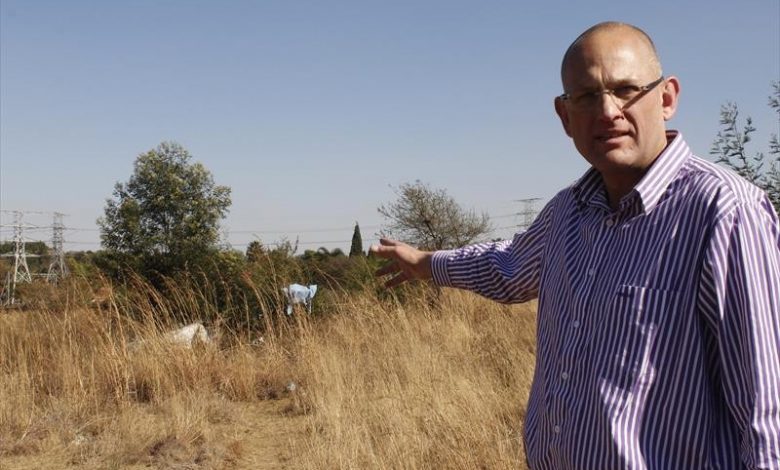
The Tshwane metro has taken a “hard-line” stance against illegal land invasions. This was according to MMC for human settlement Mpho Mehlape-Zimu who said the metro was working on a plan to eradicate informal settlements in all its regions. This comes after the MMC’s visit to the Wolwespruit informal settlement in the east of Pretoria, where mainly the homeless have set up camp.
Over the years, residents have been complaining about the mushrooming informal settlement on Nossob Street and Solomon Mahlangu Drive, Erasmuskloof, while the likes of the EFF in Tshwane said it was evident that there was a great need for land. Speaking on behalf of Mehlape-Zimu the metro’s chief of staff Jordan Griffiths said the visit was prompted by the metro’s plan to eradicate informal settlements.
“With Wolwespruit particularly, what the city has done is to put in weekly tracking and monitoring in place to evaluate any unlawful further expansion or growth in that informal settlement,” he said. “The full intention is to make sure that this settlement is ultimately lawfully removed in the future. “We simply do not tolerate land invasions. We cannot create a space where people illegally settle on land and then the city is effectively forced into a situation where that area has to become formalised.
“Illegal land invasions are an immense problem,” Griffiths said. Griffiths said with the management disaster act in place, this has made any action difficult as it has restricted the metro’s ability to evict people. He said such evictions have seen the Cape Town metro face legal action for removing people that had illegally seized land. Two weeks ago, a report by the South African Human Rights Commission found the Tshwane to be the least performing metro when it came to formalising informal settlements. The report said the metro’s failure to provide a plan and budget on the upgrading of informal settlements programme had left residents of these settlements uncertain of their future.
The report found the metro was “self-evidently not performing” in implementing the urban settlements development grant on upgrading of informal settlements programme. Griffiths said the report had “cherry-picked some data” in order to drive a particular narrative about the state of informal settlements in the metro. “The city does have a number of informal settlements and it also has clear and strategic intentions in terms of formalisation and the provision of basic services,” he said. “Progress has been slow, the decision to place the city under administration in the previous financial year severely hamstrung much of the work that had been done in this space.
“The formalisation of informal settlements remains a key performance indicator which we track to ensure that we report on duly.” Griffiths said the metro and the PIC (Public Investment Corporation) have been in discussion over the securing of the land to prevent any further growth of the informal settlement.
He said Wolwespruit was just one of the areas the metro was looking to deal with. “We are looking at a comprehensive strategy through targeted legal action to ensure that we can safeguard and secure our publicly owned land.”
Do you have more information about the story?
Please send us an email to editorial@rekord.co.za or phone us on 083 625 4114.
For free breaking and community news, visit Rekord’s websites: Rekord East
For more news and interesting articles, like Rekord on Facebook, follow us on Twitter or Instagram