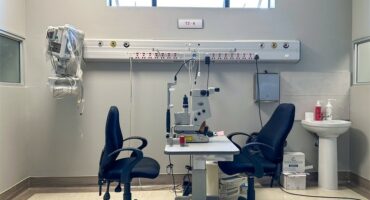
Celebrating world health day
Rekord spoke to Pretoria healthcare workers to find out what the day meant to them.

Wednesday, 7 April, was World Health Day, a global awareness day celebrated under the sponsorship of the World Health Organisation (WHO), as well as other related organisations.
Under the theme “Building a fairer, healthier world for everyone”, Rekord spoke to some healthcare workers in Pretoria to find out what the day meant to them.
The 28-year-old Dr Frans Kozhimannil, a medical officer at the FF Ribeiro clinic within the metro’s health department, said the day was for the nation to remember its essential healthcare workers and honouring their dedication.

“When Covid-19 came to South Africa, everyone was told to stay at home and be safe,” he said.
“We were the ones who could not, risking our own health and that of our families.
“In 2021, World Health Day is to honour the bravery of our healthcare workers.”
Kozhimannil was involved in the training of the metro’s district doctors and nurses in the early management of Covid-19. With the FF Ribeiro clinic being hit hard during the peaks of the pandemic, good teamwork saw them through.
What makes a dedicated healthcare worker?
“A dedicated healthcare worker is someone that puts in the best effort to provide quality healthcare for their patient.
“This means taking time to listen well and going the extra mile to make sure patients leave satisfied. Part of this is to also not only take care of my patients, but all the patients entering my clinic and assisting wherever I can.”
What got you into the healthcare industry?
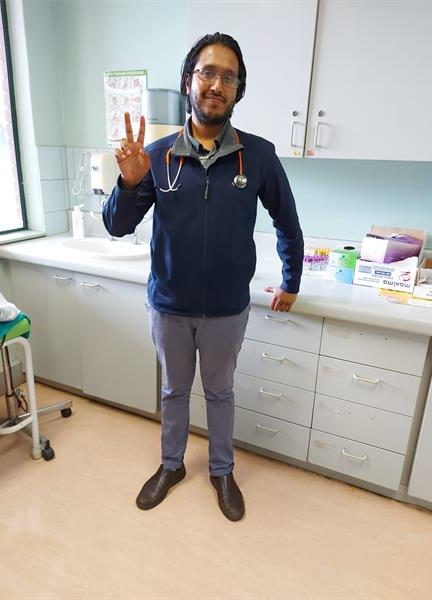
“My parents are teachers and always pushed me academically. Growing up, even though we didn’t have everything, we assisted with church charity projects and visited orphanages to give back.
“This taught me to practice humility and drove me to be a servant of the poor.”
What are some of the things that make your job worth it?
“Patients put a lot of trust in healthcare workers. The patients we see depend on their good health in order to support their families.
“The difficult journey to recovery and happiness of a patient is always rewarding.”
Senior medical officer and informal settlement health developer Dr Ellenore Meyer, of the department of family medicine at the University of Pretoria, spearheads informal settlement health projects which has gained her much popularity in the east of Pretoria.
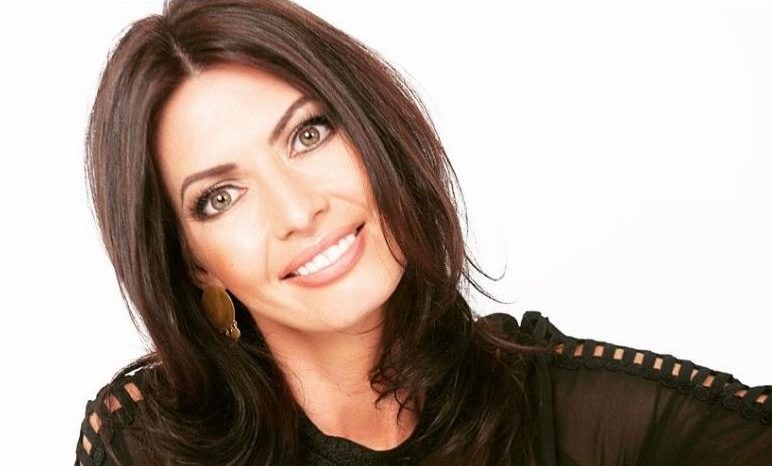
The 39-year-old Meyer said the day was a reminder of how far health rights have come.
“And how much still needs to be done do address inequality in access to care for the most vulnerable,” she said.
“We see the hunger and social instability within communities. This pushes us to embrace a wider perspective on holistic healthcare. To include education and entrepreneurship.”
Since the start of the pandemic, she has helped write and lead the implementation of the University’s informal settlement health Covid-19 care programme.
“One of the scariest things I ever had to take responsibility for.”
What makes a dedicated healthcare worker?
“A good community health worker knows her household’s needs. She is prompt to respond to new issues and takes a genuine interest in the well-being of her patients/clients.”
What got you into the healthcare industry?
“I wanted to be in healthcare, specifically as a doctor, since the age of three. There is no better reward than helping someone to be happier, healthier.”
What are some of the things that make your job worth it?
“I love that through my work, I get to help thousands of people access health and nutrition and education. Our programmes enable better self-care.
“Charles Boelen writes about the five-star doctor. A healer. Activist. Leader. Communicator. Decision-maker. I have so many jobs all wrapped up in one profession. I can’t imagine not doing this!”
Paramedic and volunteer Casper Visser, who runs non-profit emergency services whose team assisted the police, military and other organisations to respond to and treat various Covid-19 emergencies, said this day need to recognise the challenges faced by different practitioners in the healthcare industry.
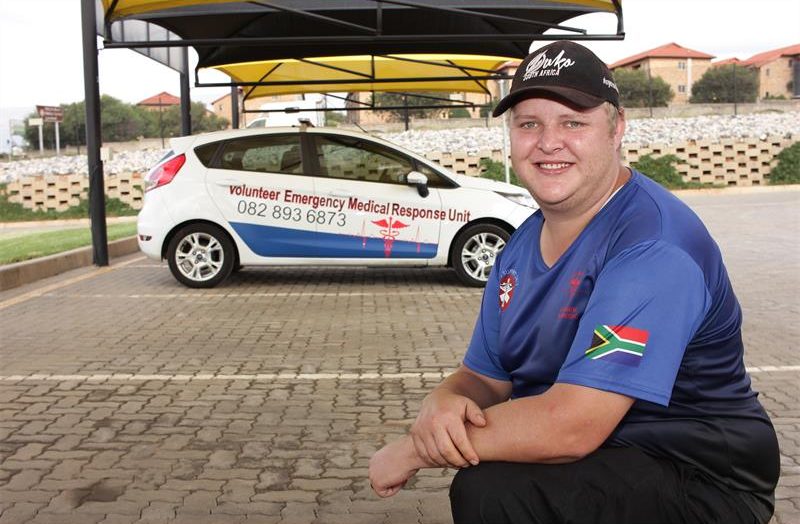
Visser, who often stabilises patients, works with other ambulance services for hospital transportation of the patients.
“One of our biggest challenges was delayed response times from ambulances due to extremely high call-rates, causing us to spend more time on scene to keep patients stable,” he said.
“As well as the fear of possibly contracting Covid-19 and bringing it home to my family.”
He said during this period donations have taken a heavy knock due to the financial difficulties that everyone was facing and this made acquiring the correct PPE (personal protection equipment) more difficult for them as an NGO.
What makes a dedicated healthcare worker?
“A truly dedicated healthcare worker is driven by the passion to help others.”
What got you into the healthcare industry?
“I’ve always had a need to help people and joining my schools first aid team helped me to achieve that. From there I just wanted learn more to be able to help more effectively.”
What are some of the things that make your job worth it?
“Honestly when a patient or family member says thank you and you see the gratefulness in their eyes it’s enough to overpower any negative feelings you have.”
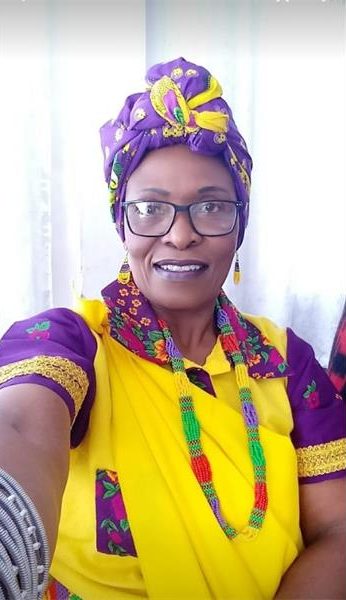
Dr Olga Mashia is a Functional Head: Clinical HIV and Non-Communicable Diseases in the City of Tshwane health department.
She holds a doctorate degree in nursing and has worked in different spheres of government for the past 33 years.
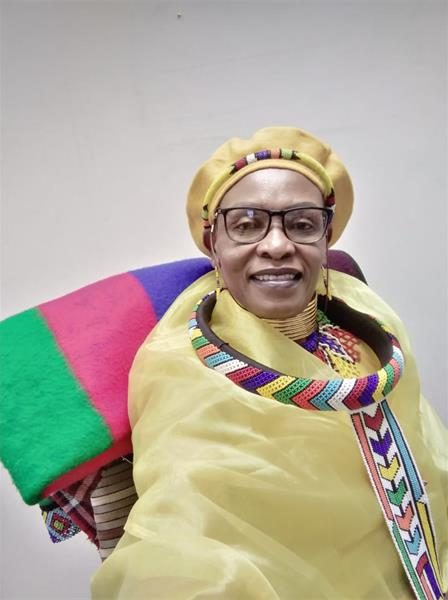
Having specialised in community health nursing, community development and health promotion, Dr Mashia has been involved in the Covid-19 response programme since the pandemic, where she mobilises the community through the outreach teams, comprising City of Tshwane departments and other sectors, such as businesses, the taxi industry, traditional leaders, peer educators and ward-based outreach teams) to raise awareness of Covid-19.
“All the nurses work hard to make sure they give a service to all the patients.
“It is important that people who sacrifice a lot as we do should be once in a while if not frequently, recognised,” she said
“It gives us that energy to want to do more.”
What makes a dedicated healthcare worker?
“Putting others first, being devoted to doing what you must do and having a passion to work without being pushed. Being committed and making sure that whatever you do, you do it with love and as best as you can.”
What got you into the healthcare industry?
“During those days if you were a brilliant learner you either become a nurse, doctor, police officer, social worker or teacher.
“Unfortunately, my single-parent mother didn’t have the money to pay for university for me to do medicine, so I opted for BK and was taken for that degree in nursing.”
What are some of the things that make your job worth it?
“I am happy when I see people’s lives changing. It’s important for people to lead a healthy life and they need nurses to be able to get an education.”
Do you have more information about the story?
Please send us an email to editorial@rekord.co.za or phone us on 083 625 4114.
For free breaking and community news, visit Rekord’s websites: Rekord East
For more news and interesting articles, like Rekord on Facebook, follow us on Twitter or Instagram