Informal settlements here to stay
“Urbanisation, job opportunities and transport opportunities dictate where informal settlements are set up.”
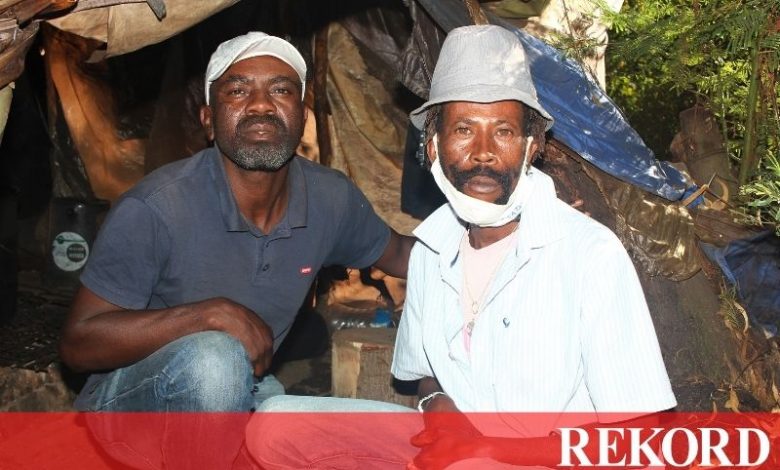
Informal settlements are not going away any time soon and even more, could pop up in and around Pretoria. This was according to University of Pretoria political analyst Professor Tinyiko Maluleke. The increasing existence of informal settlements in parts of Pretoria has become a contentious issue over the years.
With areas such as Woodlane Village (also known as Plastic View or Cemetery View) as well as the Wolwespruit informal settlement growing in size and population and costing the metro millions, this was said to be just the beginning.
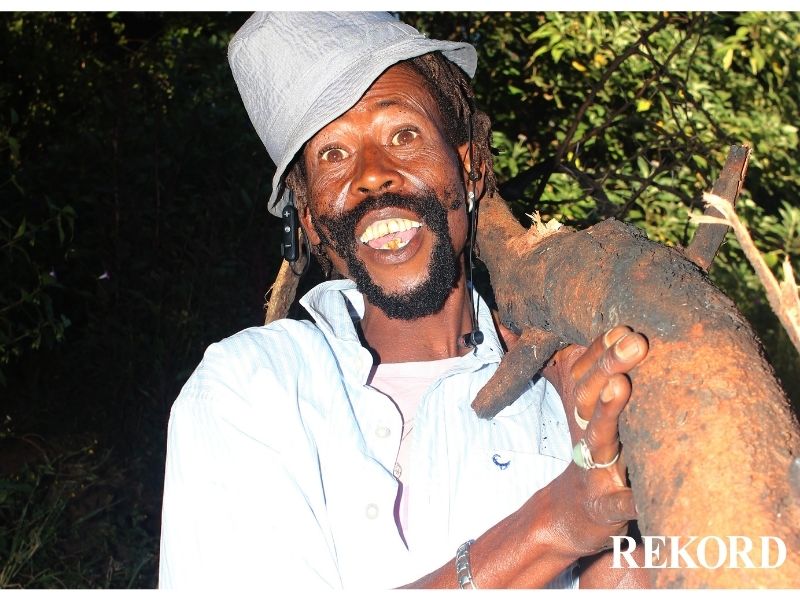
“Most informal settlements spring up in places that are closer to work opportunities or a strategic road where people can easily catch a taxi to go to work or walk to work,” said Maluleke.
“The work could be domestic work, or a nearby mall, where one can get a job as a packer or a cleaner. “What does it help living 50km away from town when you are a labourer who earns little?” Maluleke said informal settlements were a feature of the South African urbanisation process and a consequence of the lack of housing in cities.
As more and more people flock from the outlying and rural areas to the city, informal settlements spring up.
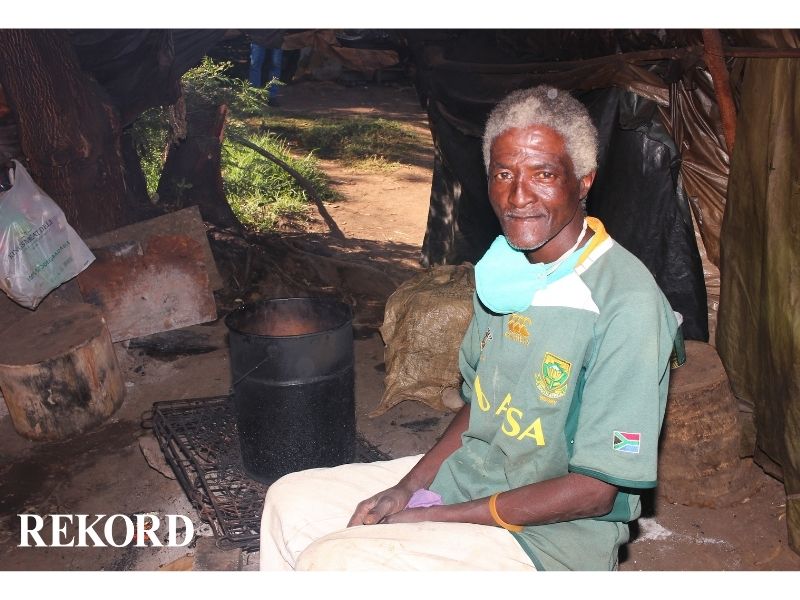
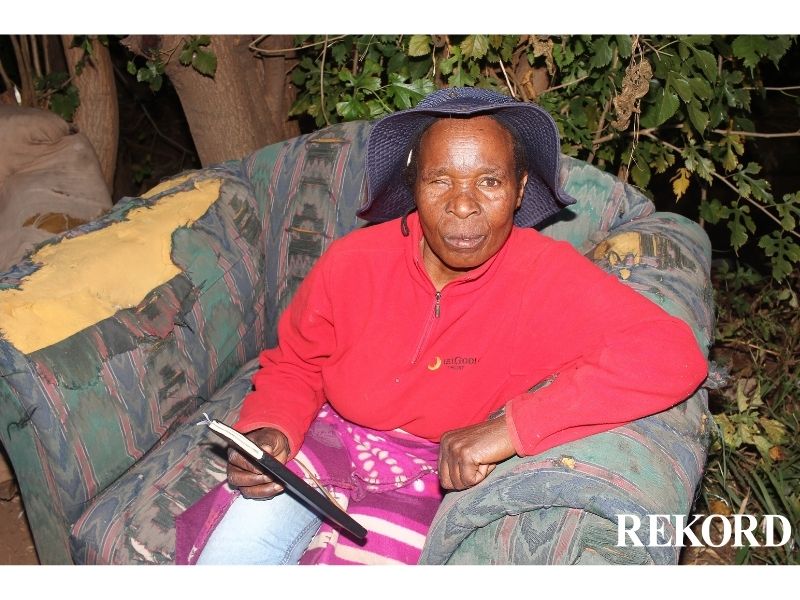
Photo: Ron Sibiya
“There are simply not enough houses for South Africans in the cities. We do lack houses and certainly affordable houses,” he said. “Urbanisation, job opportunities and transport opportunities dictate where informal settlements spring up,” Maluleke said informal settlements was a by-product of our country’s history where black people were not allowed in or near towns.
“Black people were wanted for labour, but not wanted as neighbours; so they were pushed into townships and hostels on the outskirts of cities,” he said. “The pull of these urban areas and the need to survive pushed more people back to town more than the country could control.” Part of the solution to this was the rapid land release programme by the human settlements department, where beneficiaries get a plot with basic services so they could build houses.
Maluleke said the government realised it could not halt informal settlements. It thus started the programme to meet informal settlement dwellers halfway, by legalising and helping them identify suitable land in addition to legalising these areas by formalising and providing bulk services.
“This is the way forward for government: rather meet them halfway instead of being combative. “Informal settlements are a sign that people want to help themselves. They are a sign of urgency and initiative.”
Maluleke said residents in affluent areas should note that informal settlements near them did affect the price value of their homes. However, he said this was unavoidable as there was dependency between the rich and the poor. “A lot of people who live in affluent areas have either helpers or gardeners.
There is a dependency between the rich and the poor that cuts through South African history,” he said. “If you go to the richest suburbs, you will see dozens of young men and women walking in and outgoing to work. Where do you think they live? “People should understand that informal settlement residents do not want to live too far from work. The area is your home, but as far as they are concerned, it’s their workplace and the closer they are, the better.”
Maluleke said the country needed to bridge the gap between the rich and the poor. The Tshwane metro recently said it had spent R400-million in the current financial year, in servicing informal settlements. “The informal settlements are provided rudimentary services in the form of mobile water tankers and sanitation through chemical toilets,” said Metro spokesperson Lindela Mashigo.
“To date, the metro is supplying 138 informal settlements with mobile water tankers and 92 informal settlements with chemical toilets,” Mashigo said, a monthly supply of plastic bags, bulk container for communal waste collection and the removal of illegal dumping were other services provided to informal settlements.
The metro has, for years, been planning to move the Plastic View informal settlement to a new development just a few kilometres away from the settlement. Mashigo said the metro was targeting the 2022/2023 financial year to complete the allocation of houses. “The construction has not yet started,” he said.
“The township establishment application has been submitted and awaiting approval for the metro to proceed with the installation of services and construction of the houses.”
Do you have more information about the story?
Please send us an email to editorial@rekord.co.za or phone us on 083 625 4114.
For free breaking and community news, visit Rekord’s websites: Rekord East
For more news and interesting articles, like Rekord on Facebook, follow us on Twitter or Instagram