Cybersecurity experts urge adults to protect minors from scourge of cyberbullying
“We need to educate children that all forms of cyberbullying are wrong and can lead to serious disciplinary action.”
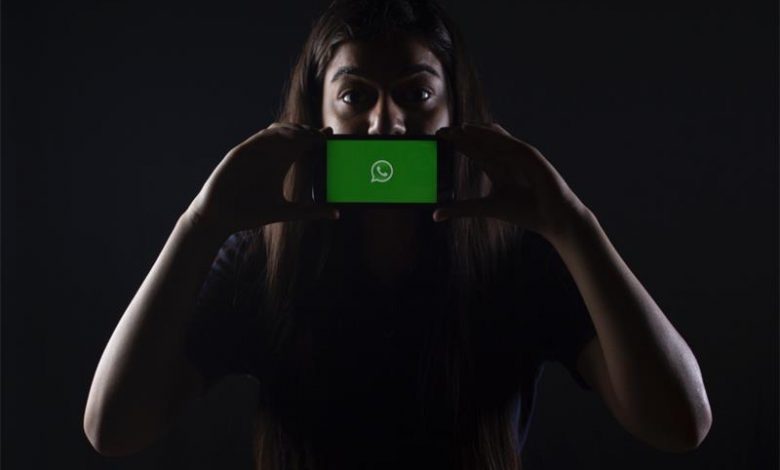
Cybersecurity experts from CSIR have called on the adult community to play an active role in protecting minors from cyberbullying, as part of minimising the scourge in society.
Many young people currently have the tools to easily access the internet for reasons related to entertainment, education and social networking, which may also lead to children facing cyberbullying.
Cybersecurity experts said according to research, Instagram accounted for 42% of bullying, which occurred on the app, while Facebook accounted for 37%, Snapchat 31%, WhatsApp 12% and 9% on Twitter.
The researchers from the Council for Scientific and Industrial Research (CSIR) were briefing the media on Friday over the negative effects of cyberbullying.
CSIR Cybersecurity Expert, Rofhiwa Netshiya, said there was a need for public education about all forms of cyberbullying.
“We need to educate children that all forms of cyberbullying are wrong and can lead to serious disciplinary action.”
Netshiya advised parents to install internet monitoring software on their children’s computers to be able to track their activities on social media.
“There are low-cost products that can invisibly monitor the activities of your kids and privately email you the results as often as you like.”
She said these were very important to track internet sites visited, downloads, chatroom conversations and instant messaging.
“Parents are advised to reinforce positive morals and values and educate their children about appropriate online behaviour, such as the use of account privacy settings.
“Parents should report such matters to the police and provide unconditional support to their children should they experience cyberbullying.”
CSIR senior Cybersecurity researcher, Sipho Ngobeni, said the briefing was part of the CSIR’s cybersecurity awareness programme. The aim is to educate and sensitise the public about cyber-related crimes and highlight steps that people can take to ensure they do not become victims of cyberbullying.
Ngobeni said educators do not know when and how to intervene in online behaviour that occurred away from school, while “law enforcement is often also hesitant to get involved unless there is clear evidence”.
READ MORE: AfriForum Centurion branch tackles old military cemetery in clean-up action
“Statistics show about 41% of kids develop social anxiety after being bullied, 37% develop depression, 26% have suicidal thoughts, 25% engage in self-harm, 24% stop using social media altogether, 20% start skipping classes, 14% develop an eating disorder while 9% begin to abuse alcohol and drugs.”
He said youth, parents, educators, counsellors, youth leaders, law enforcement, social media companies and the community were the key to dealing with this problem.
Watch:
The South African Depression and Anxiety Group (Sadag) recently said that increased stressors of Covid-19 had worsened across the globe and that suicide had been the third leading cause of death in 15- to 19-year-olds.
“Teen depression and suicide are at a particularly high risk in South African teens as they navigate a new world of online learning, social isolation, loss, grief and trauma, increased anxiety and depression.”
Psychiatrist and Sadag chairperson, Dr Frans Korb, said Sadag had seen an increase in the number of calls to its suicide helpline.
“Now more than ever, parents need to connect and engage with their children, ask questions, listen to understand, get to know what is happening in their teens lives and what they are feeling and thinking.”
He said there was still stigma and fear around suicide, and many parents and teachers were afraid to talk about it to teens.
Sadag’s operations director, Cassey Chambers, further said that research showed that talking about suicide with a young person did not cause them to have thoughts of suicide or kill themselves.
“However, not talking about it can lead to thoughts of suicide turning into actions.”
Chambers said parents and teachers needed to be informed and empowered on how to have these conversations with teens as this was the first step to preventing teen suicide.
Sadag runs the country’s only Suicide Crisis Helpline on 0800-567-567. It is open 24 hours a day, seven days a week.
Do you have more information about the story?
Please send us an email to editorial@rekord.co.za or phone us on 083 625 4114.
For free breaking and community news, visit Rekord’s websites: Rekord East
For more news and interesting articles, like Rekord on Facebook, follow us on Twitter or Instagram