Threats to poison animals condemned
Anyone found guilty of poisoning or trapping pets, even on their own properties, can face fines and even jail time, said NSPCA.
The NSPCA warned that it was illegal for anyone to poison or set traps for animals, even if the animals were strays.
This comes after residents in Theresapark alleged that their pets, especially roaming cats, would be poisoned.
An anonymous resident from the area shared screenshots with Rekord of threats made on a WhatsApp chat group.
These messages were from various individuals who had threatened to poison or trap cats caught on their properties.
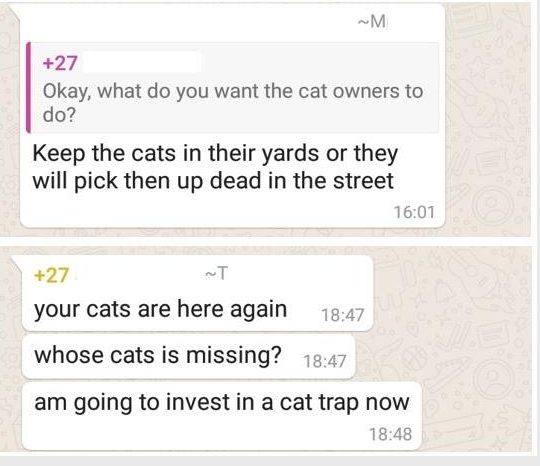
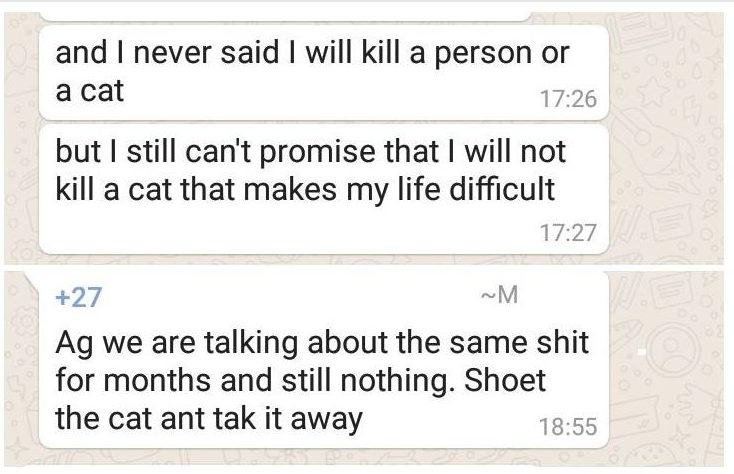
The National Council of SPCAs (NSPCA) had condemned these threats, saying that anyone found guilty of cruelty towards animals, even strays, could be fined and even receive jail time.
NSPCA spokesperson Keshvi Nair said threats made by people to kill or harm cats, “because they claim the animals are a nuisance”, was unlawful.
“Regardless of an animal being a stray or nuisance, there is still no excuse for inflicting cruelty and suffering to the animal,” she said.
“If there is an unwanted animal on your property, bring it to the SPCA, which is open 24/7 to accept stray or unwanted animals.
“Alternatively, call the SPCA to come and assist you or they will provide you with the details of someone who can assist with the removal of the animal. Do not resort to poisoning, trapping or attempting to kill the animal as this may result in you being charged with animal cruelty.”
Nair reminded that poisons, and the use thereof, were regulated in terms of the fertilisers, farm feeds, agricultural remedies and stock remedies act no 36 of 1947.
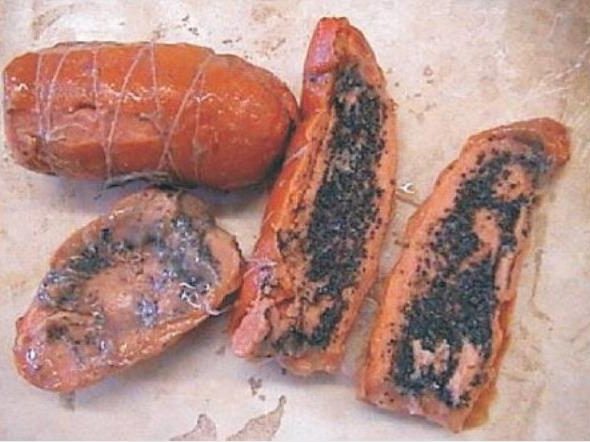
“If a person is found guilty of poisoning an animal by the court, that person will be subject to a fine, jail time or both, in terms of the animals protection act no 71 of 1962, in line with the adjustment of fines act no 101 of 1991, as well as a criminal record.”
Nair said setting traps, even on one’s own property, could be seen as a criminal offence.
“According to the animal’s protection act no 71 of 1962, any person who lays a trap that cannot prove beyond reasonable doubt that it was necessary for their protection or to prevent the spread of disease, shall be subject to prosecution.”
Do you have more information about the story?
Please send us an email to editorial@rekord.co.za or phone us on 083 625 4114.
For free breaking and community news, visit Rekord’s websites: Rekord East
For more news and interesting articles, like Rekord on Facebook, follow us on Twitter or Instagram