Mental illnesses increase due to impact of Covid-19
“It can be very difficult to see a loved one struggling with symptoms of mental illness. And often it can be hard to know how to best help and support your loved one.”
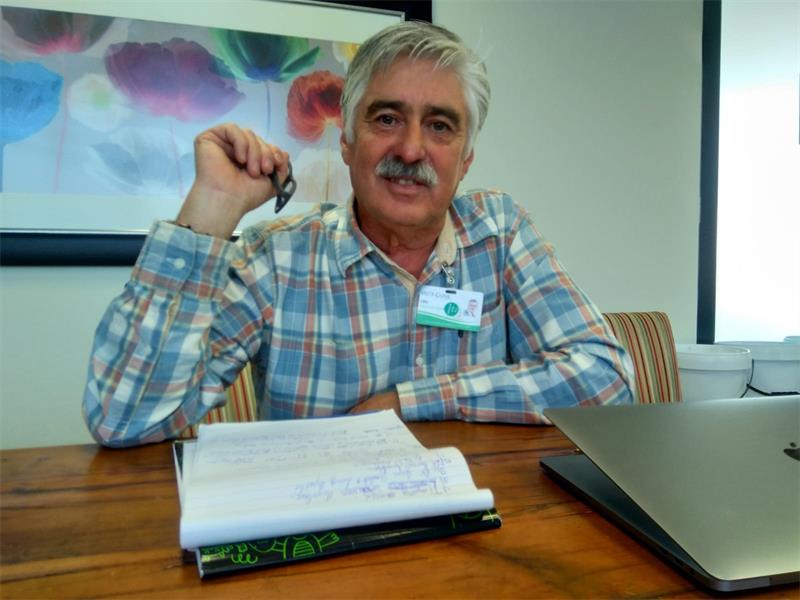
An increase in the acuity levels of mental illness since October last year was observed and experienced by Vista Clinic, Centurion.
According to Vista CEO Francois Louw, the increase was “progressive and significant”.
“We have also been recording a clear increase in emergency admissions and appointments since mid-February as well as a big uptake in volumes of mental illness patients being admitted.”
Louw said both the disease, as well as the imposed lockdowns, have been affecting people adversely.
“Neurologically, the virus is affecting the brain, causing mental illnesses. Although we do not know the full impact of exactly how the virus is affecting the brain, studies are emerging.”
He said recent studies indicated that a large percentage of those who had a severe form of Covid-19 had been neurologically affected.
“The isolation and loss of livelihoods are contributing significantly to the uptake in mental illnesses. Isolation and the impaired social interaction with family and friends go with it.
“The reality of increased illness and deaths, and the many uncertainties associated with Covid-19 are direct causes of increased anxiety and depression.
“The economic downturn has led directly to an increase in suicide attempts. In previous pandemics, it was recorded that with every 1% of economic decline, there was a 1% increase in suicides.
“We are experiencing a very high incidence of patients who have attempted, or are seriously contemplating suicide,” he said.
Louw said general anxiety disorders were very high, with patients presenting with psychotic episodes.
“We also see patients presenting with severe depression.”
READ MORE: Covid regulations might end Paralympic archer’s dream of competing in Tokyo
CEO of Weskoppies hospital Mokete Motaung confirmed that “the Covid-19 pandemic and the lockdown has brought about a sense of fear and anxiety around the globe”.
“This led to psychosocial and mental health implications due to poverty, job loss and the anxiety of the pandemic itself.
“The impact is determined by many vulnerability factors such as education and pre-existing mental health conditions, being economically underprivileged, being quarantined due to infection or fear of infection.”
He said treatment and hospitalisation due to Covid-19 could lead to post-intensive care syndrome, “which refers to health effects that remain after a critical illness”.
“These effects can include severe weakness and post-traumatic stress disorder, long-term reactions to a very stressful event.”
Motaung said it could be very difficult to see a loved one struggling with symptoms of mental illness and often it was hard to know how to best help and support a loved one.
“It is important to know that every individual is different and situations vary. The person may have a specific diagnosis, or you may just have concerns about the way a person has been talking and behaving.
“You know your loved one and may have an understanding of what approach or support will be most helpful.”
Motaung said when family members tried to help a loved one, they should take note of the warning signs such as withdrawal from social interaction.
He said unusual problems functioning at school, work or social activities or dramatic changes in sleep and appetite, were possible signs.
“Express your concern and willingness to listen and be there for the person. Don’t be afraid to talk to the person. Reassure them that you care about them and are there for them,” he said.
“Try to show patience and caring and try not to be judgmental and encourage them to talk with a mental health care provider. Remind them that seeking help is a sign of strength.”
Motaung said people must educate themselves, since the more they understood about conditions, symptoms, possible treatments and what to expect, the better they would be able to support their loved one.
“Also, address potential barriers. Recovery is generally not a straightforward process, there will likely be improvements and setbacks along the way.”
He said with the permission of the ill family member, loved ones could work with their treatment team to help provide support.
“Knowing you are there for them can be important in helping their recovery.”
Louw said there were “typical red flags” when someone’s mental health was deteriorating:
These signs can include any one of the following and/or a combination thereof:
– Significant change in a loved one’s patterns of behaviour such as spending less time with family, being irritable and increased aggression.
– Reduced or altered sleeping and/or eating patterns.
– When individuals start mentioning/talking about suicide, or have thoughts of suicide.
– When a loved one no longer enjoy hobbies or activities, that used to give them joy.
– Forgetfulness or memory loss and struggling to concentrate.
– When your loved one consistently displays bizarre behaviour.
– When someone starts abusing alcohol, medication and/or other drugs.
“When you observe or experience any of the above, please seek help,” Louw said.
“Contact your GP and or specialist or a therapist.”
* Notice: Coronavirus reporting at Caxton Local Media aims to combat fake news
Dear reader,
As your local news provider, we have the duty of keeping you factually informed on Covid-19 developments.
As you may have noticed, mis- and disinformation (also known as “fake news”) is circulating online.
Caxton Local Media is determined to filter through the masses of information doing the rounds and to separate truth from untruth in order to keep you adequately informed.
Local newsrooms follow a strict pre-publication fact-checking protocol. A national task team has been established to assist in bringing you credible news reports on Covid-19.
Readers with any comments or queries may contact National Group Editor Irma Green (irma@caxton.co.za) or Legal Adviser Helene Eloff (helene@caxton.co.za).
Do you have more information about the story?
Please send us an email to editorial@rekord.co.za or phone us on 083 625 4114.
For free breaking and community news, visit Rekord’s websites: Rekord East
For more news and interesting articles, like Rekord on Facebook, follow us on Twitter or Instagram