Upcoming tariff increases ‘not metro’s fault’
“These increases are not excessive and are roughly in line with inflation.”
Tshwane metro has tried to put its residents first as annual increases were kept low, except for the electricity hike.
Residents will most likely feel the electricity tariff hike in July as mayor Randall Williams announced the 2021/22 budget.
Chief economist at Efficient Group Dawie Roodt told Rekord the biggest unfortunate hike was that of electricity, however, this increase was not the municipality’s fault.
Roodt said it seemed as though the metro had tried to put its residents first as increases were kept low, besides the electricity hike.
“These increases are not excessive and are roughly in line with inflation.”
He said it was good that the municipality intended on keeping the tariff rates low as many were still under financial stress due to the pandemic, job losses and salary cuts.
“People are still stressed and working under difficult financial circumstances. To increase any prices would lay more financial stress on consumers.
“We need to remember that as much as many people lost their jobs, not one single person in the civil service lost their job.
“Many jobs were lost in the private sector.”
Tshwane tariff increases for the 2021/22 financial year are:
– Electricity 14,59%
– Water 8%
– Sanitation 10%
– Refuse removal 4.1%
– Property rates 2%
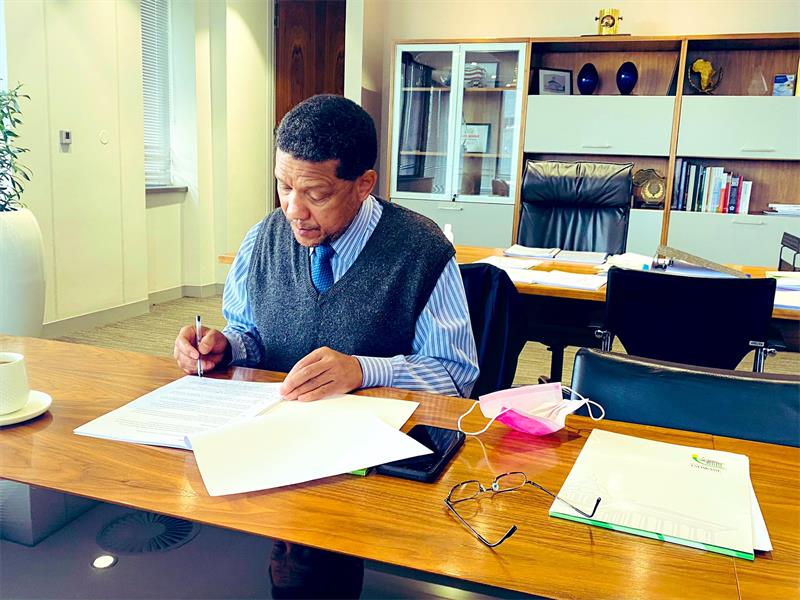
On Thursday Williams presented his 2021/22 budget speech where he tabled how Tshwane metro would operate with R39-billion.
Williams said the 2021/22 budget was prepared in the midst of a difficult economic climate and was geared towards stabilising the metro’s finances and driving quality service delivery.
“This budget has been prepared with the intention of keeping rates and tariff increases as low as possible through identified cost-cutting and savings.”
He said Tshwane electricity consumers faced 14.59% tariff increases in July.
“Similarly, the city is bound by the tariff increase for bulk purchases of water from Rand Water compelling the city to increase the water tariff by 8% while sanitation charges will increase by 10%.
“It is important to note that water and electricity tariffs are mainly influenced by the Rand Water and Eskom tariffs,” said Williams.
He said all households with properties with a value of R150 000 and less were exempted from paying any property rates.
“Registered indigents households pay no property rates and continue to benefit from other social relief benefits offered by the city.”
He implored residents to manage and track their consumption of electricity, water and by implication, sanitation, as it could be self-managed.
Tshwane residents with effect from 1 July 2021 until 30 June 2022, are expected to pay R111.59 for refuse removal services tariff for a 85l bin and R315.01 for a 240l bin.
Tshwane bus service and A Re Yeng bus service have proposed to increase fares by an average of 8% for the 2021/2022 financial year. This will be between R1.00 and R2.50 per fare band.
Williams said his budget was focused on prioritising the electrical grid and water infrastructure in the metro, implement a robust Covid-19 management strategy, create a reliable waste and refuse removal service, providing stringent financial management and oversight as well as enhance the city’s safety and emergency services.
The utility services department budgeted R95-million for the replacement of worn-out water pipes, R93-million for electricity matters, R95-million to tackle streetlights and R45-million for smart prepaid meters across the city.
“Our streetlights maintenance allocated is R90-million, water leaks have been allocated R72-million, sewer maintenance has been allocated R67-million to address blockages and road maintenance was allocated R137-million. R62-million will be used to address potholes and road repairs,” Williams said.
Tshwane’s health department had a budget of R541-million intended to cover the running costs of clinics, providing municipal health services, health promotion campaigns and the drug and substance abuse programme.
“Communities have for some time requested additional clinic facilities due to the area’s population growth. We are also upgrading our management systems.”
He said the old manual filing system, to keep records of patients, had become increasingly ineffective.
R76-million was allocated to cut grass at city parks, sidewalks, pavements and open public spaces “so that our city looks beautiful”.
The mayor’s 2021/22 financial year budget will be debated by council on Thursday.
Do you have more information about the story?
Please send us an email to editorial@rekord.co.za or phone us on 083 625 4114.
For free breaking and community news, visit Rekord’s websites: Rekord East
For more news and interesting articles, like Rekord on Facebook, follow us on Twitter or Instagram