Sinkhole-hit Centurion homeowners await metro rates relief decision
A proposed rates relief plan remains under assessment as affected homeowners wait for the metro to decide how sinkhole-related property losses should be addressed.
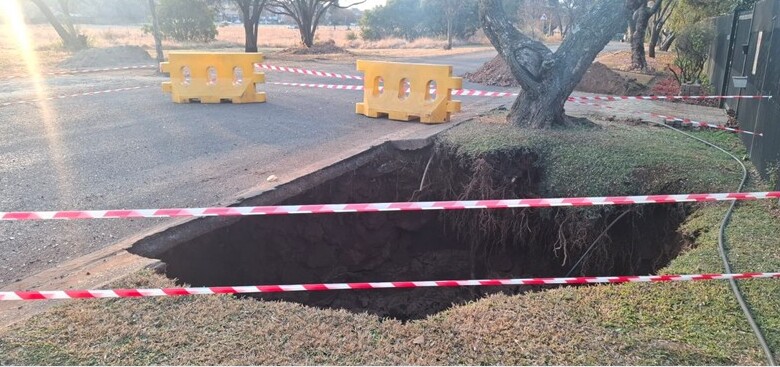
Centurion homeowners in sinkhole-affected areas face challenges that extend beyond the physical damage caused by collapsing ground. For many, this geological hazard has left their properties significantly devalued, difficult to sell, and – in some cases – unsafe to occupy.
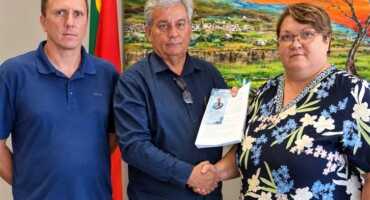
In Ward 57, Councillor Jack Page has been advocating for financial relief through the Tshwane metro’s property valuation system.
Page has proposed that the metro investigate whether homeowners whose properties have lost value due to sinkholes should qualify for rates relief via a supplementary valuation roll.
This proposal was formally adopted by the Tshwane Metro Council in April and referred to the Office of the Mayor for further consideration.
The motion calls for the city to compile a supplementary valuation roll for properties significantly affected by sinkholes. This would allow the municipality to reassess property values when circumstances have materially changed since the general valuation roll was compiled.
If a property’s market value has substantially decreased due to sinkhole activity, the revised valuation could reduce the municipal rates payable by the owner.
Following the adoption of the motion, the mayor’s office requested 60 days to assess the proposal and develop an implementation plan.
However, according to Page, this deadline has passed without the promised feedback being presented. He noted that feedback was expected to be tabled before the council on July 2, but this did not occur.
He explained that the motion was the result of years of engagement with Centurion residents whose lives have been disrupted by sinkholes, particularly in areas underlain by dolomitic ground.
“Ward 57 alone currently has 17 known sinkholes affecting municipal infrastructure, roads, public spaces, and nearby residential properties,” he said.
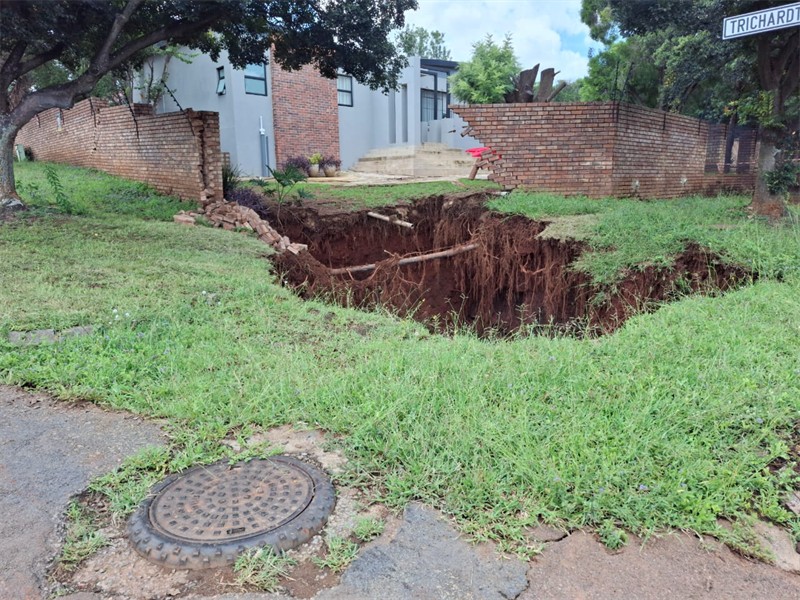
Despite these circumstances, some homeowners continue to receive municipal rate accounts based on outdated valuations that no longer reflect the true market value of their properties.
“Municipal property rates should be based on the fair market value of a property. Where that value has materially diminished through no fault of the owner, the valuation should be reviewed to ensure residents are not unfairly burdened.”
He clarified that the proposal does not seek to exempt affected homeowners from paying municipal rates altogether but aims to ensure that valuations accurately reflect the market value of properties impacted by sinkholes.
Through his engagement with residents, Page said he has witnessed the significant financial and emotional toll sinkholes have taken on homeowners.
“Many have seen their largest investment lose substantial value, with some unable to sell their homes and others discovering that financial institutions are unwilling to finance purchases in affected areas. Properties often remain on the market for extended periods with minimal buyer interest.”
In addition to the loss of property value, he added that residents face substantial additional expenses, including increased insurance premiums or exclusions, legal costs, and, in some cases, temporary relocation.
He also stressed that the issue extends beyond finances, affecting families’ long-term financial security, retirement planning, and their ability to access credit or relocate.
“Many residents feel trapped, carrying the ongoing costs of properties that have suffered substantial market depreciation through circumstances entirely beyond their control,” he stated.
Page argued that where a property’s market value has demonstrably declined due to sinkholes, the city’s valuation should reflect that reality.
He said this approach would protect the integrity of the municipal valuation system while ensuring fairness for homeowners who have suffered exceptional losses through no fault of their own.
While Page has criticised the delay in implementing the council resolution, the Tshwane metro maintains that the proposal remains under assessment due to the complex legal, financial, and administrative considerations involved.
Tshwane mayoral spokesperson Samkelo Mgobozi confirmed that the mayor’s office had initially anticipated a 60-day period to consider the motion. However, he explained that the process has taken longer to ensure that any recommendations presented to the council are legally sound and practical to implement.
“The mayor’s office has been working closely with relevant city departments to evaluate the legal framework, financial implications, and operational requirements associated with the proposal,” he said.
According to Mgobozi, this assessment forms part of the metro’s broader sinkhole response strategy, which includes increased investment in rehabilitation projects and the renewal of ageing water, sewer, and stormwater infrastructure.
This approach aims to address the root causes of sinkholes rather than merely their consequences. Despite these efforts, he confirmed that the city’s assessment of the proposal has not yet been completed.
“Once the necessary technical, legal, and financial work has been finalised, the matter will proceed through the appropriate governance processes before any decisions are communicated publicly.”
He emphasised that the mayor is aware of the significant impact sinkholes have had on affected residents and recognises the concerns raised by property owners.
However, he stressed that any proposal involving municipal rates must comply with the Municipal Property Rates Act and be considered in the broader context of the city’s financial responsibilities.
“This administration believes the most sustainable response is to reduce the occurrence of sinkholes through long-term infrastructure investment. We are increasing our capital investments so the city can fund more rehabilitation projects directly, instead of relying almost entirely on disaster funding. We cannot build our infrastructure programme around waiting for disasters before taking action,” he explained.
Mgobozi said it would be premature to outline how qualifying homeowners might be identified while the assessment is still in progress.
“Should council ultimately approve such a framework, the city will communicate the applicable process, qualifying criteria, and legislative requirements once they have been formally adopted.”
Acknowledging residents’ frustration, Mgobozi noted that the current administration inherited a significant backlog of sinkhole rehabilitation projects due to years of underinvestment in infrastructure.
He stated that the administration is now focusing on long-term engineering solutions rather than temporary fixes, with rehabilitation work already underway on several sinkholes through the city’s regional operations centre.
“Major sites, such as those in Lyttelton and around the Kentron Substation, remain priority projects.”
He added that the metro continues to collaborate with the National Disaster Management Centre and other governmental bodies, as these complex engineering challenges require specialised technical expertise and co-ordinated efforts.
“Sinkholes are a symptom of ageing infrastructure. That’s why our response goes beyond rehabilitating individual sinkholes. We are investing in replacing ageing water, sewer, and stormwater infrastructure because addressing the issues beneath the surface is essential to preventing sinkholes from forming in the future,” he said.
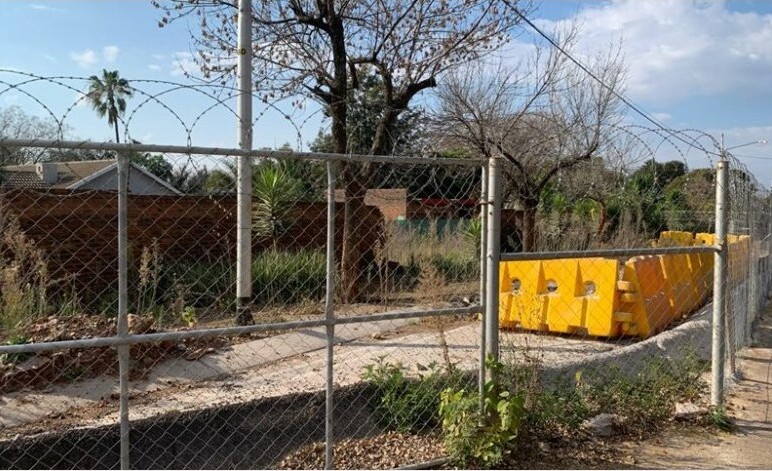
Despite the city’s assurances that work on the proposal is ongoing, Page expressed disappointment that the council has yet to receive the requested report.
“Despite the considerable time that has passed, the Mayor and her office have failed to provide the required report or demonstrate meaningful progress in implementing the council resolution. That is deeply disappointing,” he said.
He added that he intends to continue pursuing the matter if the delay persists.
“Should the [mayor] fail to implement the resolution, I will use every lawful mechanism available to hold them accountable. This includes submitting further motions, asking formal council questions, engaging oversight committees, requesting progress reports, and continuing to advocate publicly on behalf of affected residents.”
Page insisted that the issue should not be dismissed as ‘administratively inconvenient’.
“This matter is fundamentally about fairness, good governance, and accountability,” he said. “Residents did not cause the geological conditions beneath their homes. Yet many have seen the value of what is often their life’s biggest investment decline dramatically while continuing to pay municipal rates based on valuations that no longer reflect market reality.”
Do you have more information about the story?
Please send us an email to bennittb@rekord.co.za or phone us on 083 625 4114.
For free breaking and community news, visit Rekord’s websites: Rekord East
For more news and interesting articles, like Rekord on Facebook, follow us on Twitter or Instagram or TikTok or WhatsApp Channel