Tshwane to work on stabilising finances as budget given thumbs up
“The passing of this budget is a great victory for Tshwane residents and will enable this administration to focus on its constitutional mandate of delivering services to our people.”
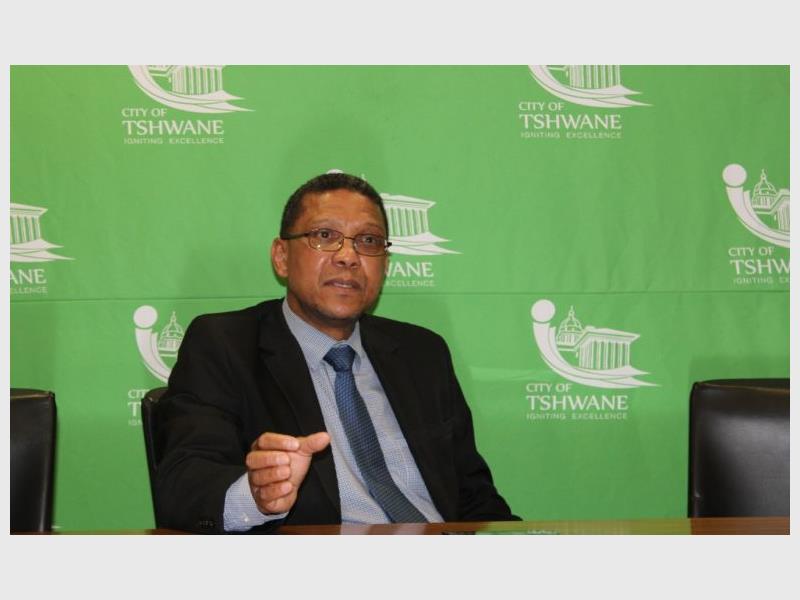
The Tshwane council has approved Mayor Randall Williams’ 2021/22 budget, which aims to stabilise the city’s finances and improve municipal service delivery.
It was approved during a special council sitting on Thursday.
“We can now focus on stabilising the metro’s finances,” said Williams.
Some of the cost-cutting measures would
– try to limit the number of critical vacancies;
– process no overtime, unless for essential services,
– place measures to manage the cost of bulk purchases;
– review all contracts for value for money;
– renegotiate leases and rental buildings; and
– review fleet contracts for better rates and value.
The measures would help market analysis to be conducted before a tender is issued or quotes are requested.
He said the appointment of consultants would also be strictly monitored and focused towards revenue enhancement initiatives and the implementation of capital projects.
“This budget will enable us to strengthen our relationship with financial institutions such that we can improve our credit ratings and access finance which we can use towards growth and development of the city.”
He said he was pleased that “we passed the medium-term revenue and expenditure framework (MTREF) for the 2021/2022 financial year”.
The MTREF will focus on prioritising the electrical grid and water infrastructure in the metro; implement a robust Covid-19 management strategy; create a reliable waste and refuse removal service; providing stringent financial management and oversight as well as enhance the city’s safety and emergency services.
“The passing of this budget is a great victory for residents,” he said.
“It will enable this administration to focus on its constitutional mandate of delivering services to our people.”
Williams said he acknowledged that the 2021/2022 budget was prepared in the midst of a difficult economic climate and further with residents and businesses still reeling from the negative impact of the Covid-19 pandemic.
“Taking this into consideration, we formulated a budget with a focus on service delivery priorities which are informed by the needs of our communities.
“We prepared the budget with the intention of keeping rates and tariffs increases within our control as low as possible through our cost cutting and savings strategies.”
He said he was pleased to note that property rates would only increase by 2%.
Refuse removal charges would increase by 4.1%.
Tshwane electricity consumers are yet to also fork out 14,59% in tariff increases as of July.
“Similarly, the City is bound by the tariff increase for bulk purchases of water from Rand Water compelling the metro to increase the water tariff by 8% while sanitation charges will increase by 10%.
“It is important to note that water and electricity tariffs are mainly influenced by the Rand Water and Eskom tariffs,” said Williams.
He implored residents to manage and track their consumption of electricity, water and by implication, sanitation, as it could be self-managed.
Do you have more information about the story? Please send us an email to editorial@rekord.co.za or phone us on 083 625 4114.
For free breaking and community news, visit Rekord’s websites:
For more news and interesting articles, like Rekord on Facebook, follow us on Twitter or Instagram