Flood victims unhappy with small stands
The relocation process started last week Monday, but residents were already complaining. They said there are still a few things that needed to be sorted out.
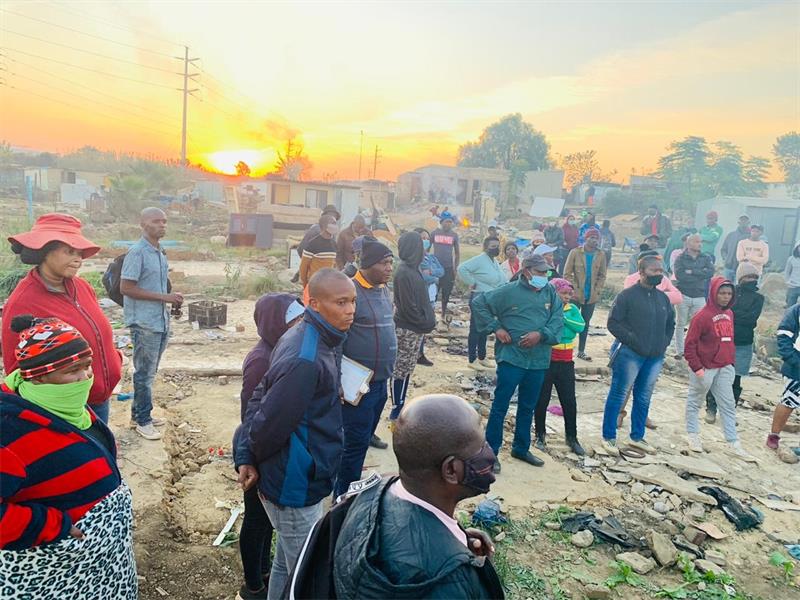
While the so-called Mamelodi flood victims were happy that their relocation had finally started, they are now unhappy with the size of the stands they received.
December Matlala, one of the representatives of flood victims, said the residents were happy that “finally they will be moved to a safer place”.
“It has been a long journey after waiting for almost two years following the heavy rain that swept more than 700 shacks away in 2019.”
The relocation process started last week Monday, but residents were already complaining.
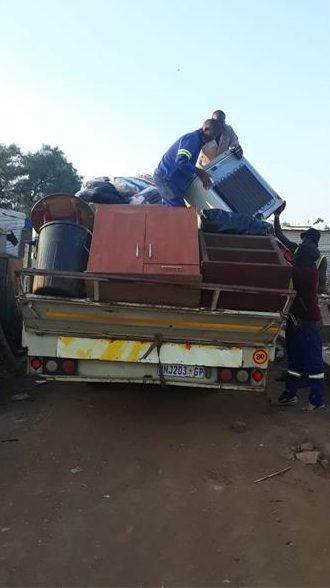
“The stands are too small and won’t be enough for our families,” Matlala said.
Matlala said the initial agreement was that the permanent stands will be 20×20 metres in size.
Instead, the stands were reduced to 15×10 metres.
Matlala said even though these were permanent stands, families will be crowded in their homes.
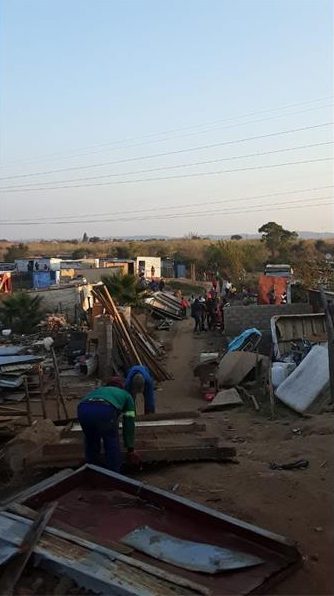
“We cannot continue fighting with the Tshwane metro like this. We have already launched a complaint to the director of Tshwane human settlements and we are still waiting for a response,” said Matlala.
“The stands are way too small. You cannot even start a vegetable garden in your yard or build a bigger house. A car won’t fit inside the yard.”
Matlala said the Tshwane human settlements department did not take them seriously.
READ MORE: Flood victims’ move postponed – again
“We are expecting Tshwane metro to relocate everyone and for no one to be left behind,” he added.
“But Tshwane human settlements decided to reduce the number of people expected to be relocated.”
Matlala said, “it’s best that they relocate everyone to a safer place, because if they leave some shacks behind, it’s putting more people in danger should we be hit by another heavy rain”.
He concluded that they were planning to take the matter to court and let the court resolve it.
The Tshwane metro said it had yet to receive any complaints from residents or community leaders.
Tshwane metro spokesperson, Lindela Mashigo said the metro noted with concern reports that the residents were complaining “after we held a marathon of consultation meetings with leaders representing various informal settlements where the relocation plan and its principles were approved”.
To date more than 400 residents have been relocated and allocated stands in the new area of Mooiplaats.
“The relocation process for phase 2A commenced on 11 May 2021 and it will be completed around 20 June 2021. Phase 2B relocation will commence around August 2021. We can confirm that this information was shared with community leaders.
“The context and the nature of the relocation process was shared with all leaders and agreed upon. It must be noted that the relocation process is not only focusing on the flood victims but also the old informal settlements and for informal settlements in region 5,” said Mashigo.
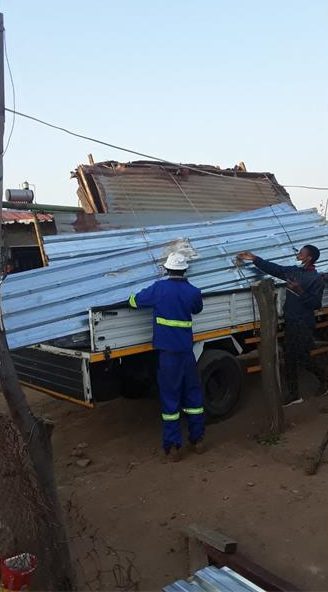
The metro is not only relocating the flood victims but also residents from old informal settlements in the Mamelodi area and informal settlements in region 5.
“In mitigating this, the metro resolved to balance the relocation and allocation with the other old informal settlements such as Mamelodi ext 11 and Transit Camp 1. The layout map only yielded 155 stands of 150 square metres in size. The sizes of stands are decided on this basis and are in line with the densification principles as alluded in the Regional Spatial Development Framework.
READ MORE: Flood victims taking metro to court
“The development of the area had a serious implication in the implementation of the municipal sustainable human settlements plan as we had to accommodate beneficiaries who recently invaded land along the flood line areas,” he added.
Mashigo further said it was unfortunate that complaints were never brought to the metro’s attention despite constant communication with residents relating to the implementation of the relocation plan which encompasses the identified risk and mitigation thereof.
Do you have more information about the story?
Please send us an email to editorial@rekord.co.za or phone us on 083 625 4114.
For free breaking and community news, visit Rekord’s websites: Rekord East
For more news and interesting articles, like Rekord on Facebook, follow us on Twitter or Instagram