ADVERTORIAL: Is Esports A Sport?
The most common argument against esports is that they don't require any physical training or prowess to compete. However, that doesn't consider the inconceivable reaction times and fast muscle movement that might take years to master.
When video games hit the market in the 70s, games like Atari and Pong took the world by storm. Players from all over the world gathered at local arcades to play the games on consoles as big as the refrigerator, but these devices could only render a few bouncing pixels. Since then, the industry has come a long way, with computers becoming faster and game developers becoming more creative. Consumers are also increasingly demanding higher quality games, turning the video game industry into a multi-billion-dollar business.
While video games were traditionally designed for children’s entertainment, they’ve become a market-dominating force with a highly competitive esports scene. However, some may argue that esports isn’t a real sport, although betting operators like Betway have embraced the market alongside other sports offerings worldwide. The most common argument against esports is that they don’t require any physical training or prowess to compete. However, that doesn’t consider the inconceivable reaction times and fast muscle movement that might take years to master.
The strategic play also required is another component that sceptics often dismiss, although players know well that you need evasive manoeuvring, team planning, and advanced meta-analysis.
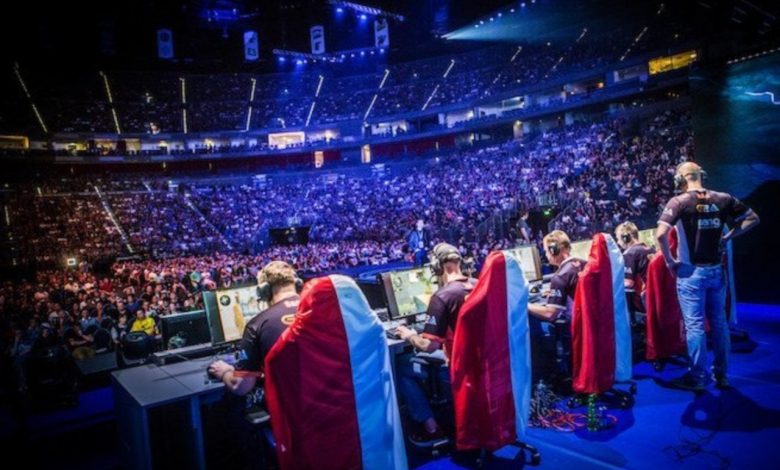
Games like Valorant, League of Legends, Overwatch, and Dota 2 have all hosted competitions that have packed arenas with thousands of people worldwide. Looking at these competitions, it’s undeniable that the skill and determination required for the players to succeed is the same as needed for traditional sports. That explains why the video game market share rose in 2020 after the suspension of the professional sports leagues, with Betway using the opportunity to ensure their users continued having fun.
Esports Require Skills, Although It’s Not Defined As A Sport
While video games aren’t the first thing that comes into mind when you think of daily exercises, they’re continually being embraced as a sport worldwide. Earlier this year, FIFA announced that esports would be part of the upcoming 2022 Qatar worldwide, bringing together top players from all over the world. However, the Merriam dictionary explains a sport as a physical activity in which people engage for pleasure.
Although video gaming calls for some skill and coordination, it doesn’t feature enough physical aspects to be defined as a sport. That’s because there’s also strategy required in playing games like poker, chess, and card games like blackjack, although they don’t compare to sports. However, similar to sports, gamers continually improve their skill as they train.
Nonetheless, playing musical instruments also needs training and practice, but it’s not considered a sport. Sports call for full-body coordination and movement, not only your hand and fingers. It’s still possible to move around your whole body when playing the games, but it’s not a prerequisite to winning. It’s possible to sit on your screen and move your controller with one hand while you use the other to enjoy a bag of chips.
That way, there’s no physicality involved, making prolonged gaming sessions unhealthy while playing sports is healthy. Esports and other types of competitive video games take a toll on your body and mind, although the effect is quite different from regular sports. Playing traditional sports will leave your body tired, but it will help you lose fat and build your muscles. Regular sports also uplift your mood and clear your mind, but these results aren’t available with esports.