Medical aid patients end up at public hospitals as private hospitals full
"We always used to know someone who knows someone who had Covid, now most of us know someone personally who has it."
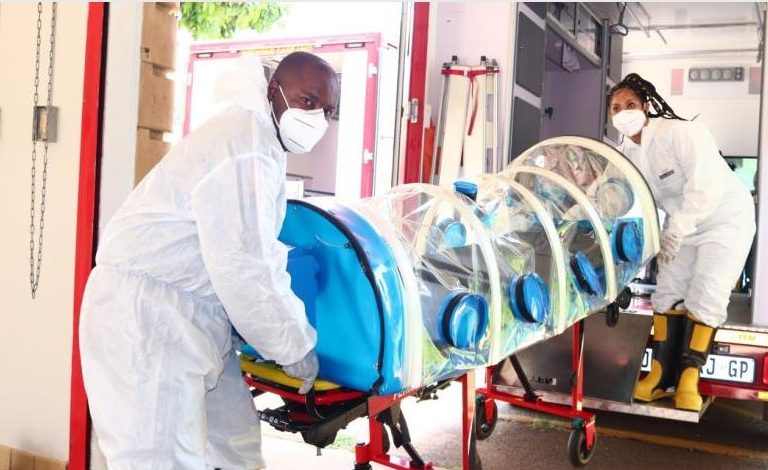
Having a medical aid card does not mean much during the third wave of Covid-19 infections hitting Tshwane, a local paramedic told Rekord this week.
“All our hospitals are struggling,” said Best Care ambulance services spokesperson Xander Loubser.
“We receive almost a thousand calls each day for people who want to test for the virus and have about 300-500 people testing daily.”
Medics have had to transport people belonging to medical aids to government hospitals in cases where there was no space at private hospitals.
Loubser said that most of the regional private hospitals were full.
“The waiting times at private hospitals sometimes are between three to four hours. At public hospitals, the average is between one hour to two hours at most. Remember, we are working on cylinder oxygen in ambulances – we can only accommodate patients for a certain period of time,” he said.
“Public hospitals are used to having a high volume of patients and are able to accommodate a high number of patients.”
Loubser said the third wave was overwhelming.
“The infection rate is visibly different. We can feel it as emergency services workers. We are not coping, it is tough. We work long hours as some of our colleagues also contracted Covid, so it puts a strain on the existing workers.”
He said although the workload piled up, the paramedics would have to stay strong to provide much-needed health care.
“It is scary how many calls for seriously ill Covid-19 patients we are responding to,” agreed Pretoria-based Volunteer Emergency Medical Response Unit (Vemru) spokesperson Caspser Visser.
“The private hospitals are being hit hard and on more than one occasion, we had no private facilities in Pretoria able to accept a patient.”
Visser said private emergency services have been swamped with cases.
“We are struggling to keep up with the demands for medical assistance. We have been overwhelmed by calls and have ended up working 48 to 72 hours on some days with no rest.
“We have transported some people as far as Witbank to get a hospital bed at a private health care facility,” Visser said.
“One of the SAPS officers who work closely with us said ‘we always used to know someone who knows someone who had Covid, now most of us know someone personally who has it’ and I found this to be very true.”
Tshwane emergency services spokesperson Charles Mabaso urged the public to adhere to health regulations as cases continued to rise.
“We call on residents to observe all Covid-19 health protocols by always wearing masks when in public spaces, sanitising and washing hands with water and soap regularly and observing social distancing measures.”
He also called on people to register for vaccination on the government’s vaccination programme.
According to statistics from the Gauteng health department, Tshwane region recorded 10 816 new infections between Friday, June 25 and Tuesday, June 29.
[Thread] Dear fellow Gautengers
A plea to take extra precaution🙏
The 3rd wave of hospitalisations is here! #COVID19 numbers are about to exceed previous peaks. We're entering uncharted territory. How high we go is still up to us,and our collective behaviour!#Rid1TweetsonCovid pic.twitter.com/Qk9DXwBjB7
— Ridhwaan Suliman (@rid1tweets) June 16, 2021
#COVID19Surveillance As of 19 June 2021, the percentage testing positive was highest in individuals aged 65-69 (28.3%), 50-54 (28.2%) and 70-74 years (28.0%). To find out more, read the latest Testing summary report here: https://t.co/Gsrp6ebXyV pic.twitter.com/pqSEHEuGkU
— NICD (@nicd_sa) June 26, 2021
Do you have more information about the story?
Please send us an email to editorial@rekord.co.za or phone us on 083 625 4114.
For free breaking and community news, visit Rekord’s websites: Rekord East
For more news and interesting articles, like Rekord on Facebook, follow us on Twitter or Instagram