Teenage pregnancy a social ill at informal settlements
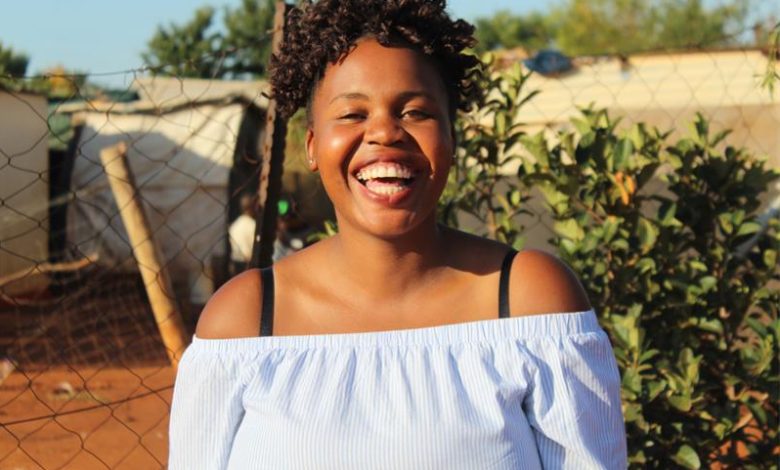
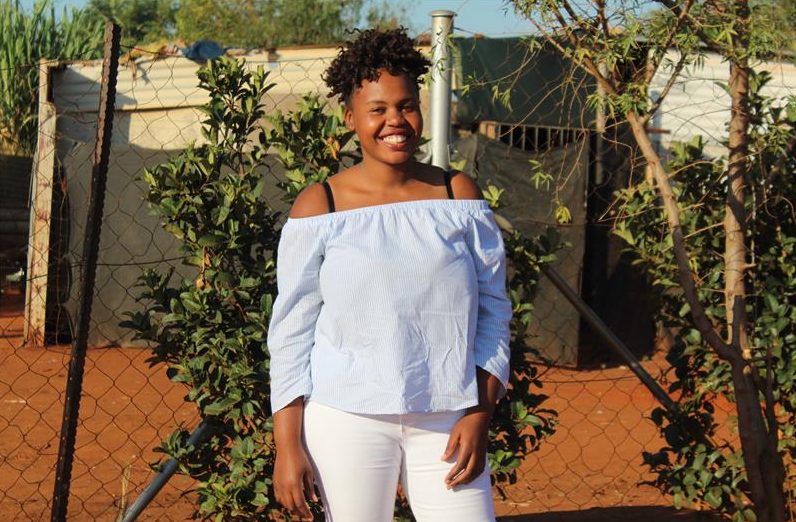
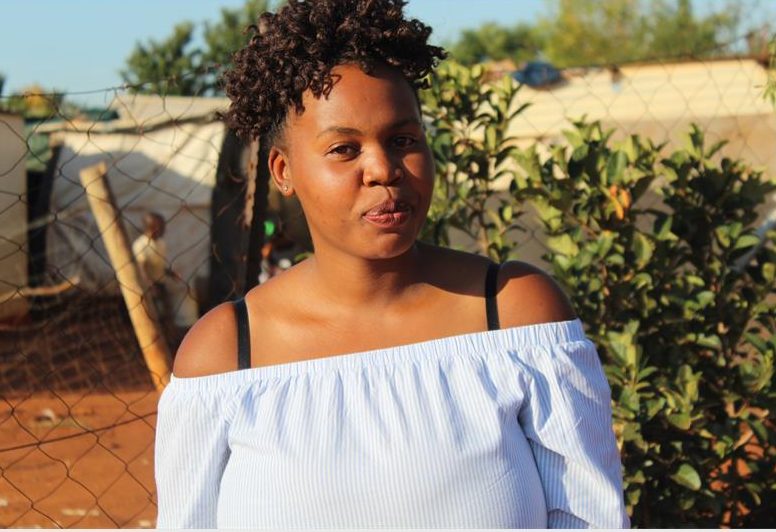
Melissa Maphosa (20) from the Zama Zama informal settlement shares her story on teenage pregnancy while living in a disadvantaged community.
Informal settlements in South Africa face several social ills with teenage pregnancy being one of them.
Falling pregnant at a young age can be a traumatic and lonely experience.
Such was the experience of a 20-year-old Melissa Maphosa of the Zama Zama informal settlement, west of Pretoria, who fell pregnant at the age of 19 shortly after completing her matric.
Maphosa completed her matric in 2019 at the Daspoort secondary school, however, coming from a household with a single mother who didn’t earn much money, meant she could not study any further.
“I wanted to study law, but I didn’t have the money,” she said.
“I got admission to Tuks, but I could not pursue my studies.
“With my mother being a pastor, I found myself doing a Christian course while I was trying to figure out how I would achieve my dreams.”
It was during this time Maphosa fell pregnant.
“I didn’t know much about sex. The first time I tried, I fell pregnant,” she said.
“I was scared. My mother didn’t know right away, I only told her two months later.”
One of her biggest struggles was facing a harsh and judgmental society while she herself was struggling to forgive herself.
She said she also lost friends because of her pregnancy.
“Being judged was the hardest thing to deal with. People had a lot to say and it wasn’t nice things,” she said.
“My best friend laughed at me for falling pregnant. I felt lonely.”
The young mother said she had a lot of things going through her head – one of them the option of terminating the pregnancy.
She questioned whether she was ready to be a mother, or whether she was ready to conform to Shona customs and move in with her partner.
“I was only 19, fresh out of high school. It was supposed to be the beginning of my life and now I was beginning someone else’s life, how am I going to manage?
“Being a pastor’s child also didn’t make it easy because there were expectations that I should be married first before I have a child.
“I decided to keep the child. Luckily, my partner – who has since become my best friend – supported my decision.”
Maphosa volunteers as a community health worker through an initiative by the University of Pretoria by which a clinic is set up to provide free primary healthcare to vulnerable communities. At each of the clinics, healthcare volunteers assist the university with running the clinic.
A fluent Shona, English and Setswana speaker, Maphosa started off as an interpreter between the university’s students, who were running projects in various informal settlements, and the residents.
She suddenly found herself helping with small things such as weighing children during medical checks.
“I started helping where I could. Before I knew it, I was part of the team, campaigning and educating people about their health.
“I joined a team of health workers who are raising awareness on the importance of breastfeeding and wishes to do more to prevent teenage pregnancies at informal settlements.”
Her father died in 2004, and Maphosa and her sister were raised by her mother, then a local teacher at a nearby nursery.
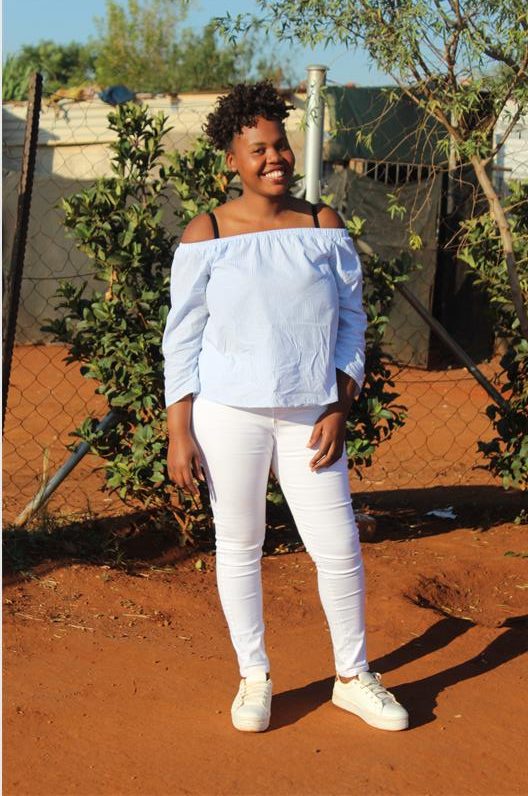
She said fewer stories of single mothers in informal settlements could be told if enough was being done to educate young boys and girls about teenage pregnancy.
Mphosa said she has been exposed to the ills faced by women in informal settlements.
“Some women don’t even know what rape is or how contraceptives are used,” she said.
“Some are in abusive relationships, but they stay because of the financial support. And some communities see nothing wrong with it.”
Maphosa said her wish was to see more women become empowered. She hoped her story would caution young people against making the same mistakes.
“I had to find a way to rise from this. I still have dreams of studying law and if anything I am more determined now than ever.”
Her son, who is now seven months old, has become her biggest motivation.
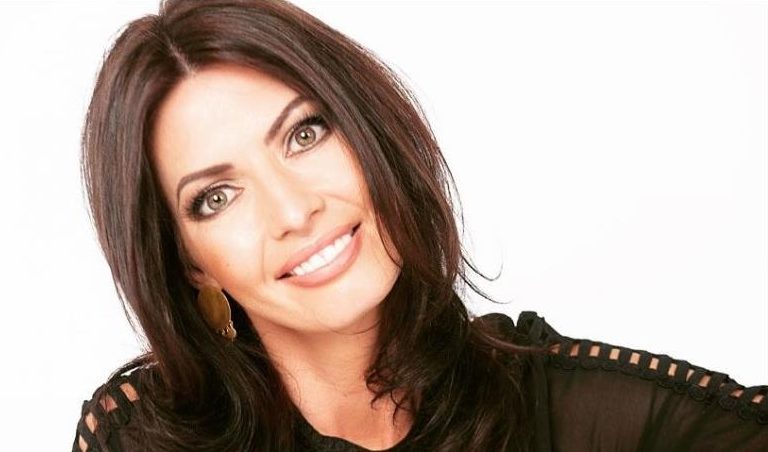
Healthcare expert Dr Ellenore Meyer of the University of Pretoria, who spearheads the informal settlement healthcare programme said teenage pregnancy in South Africa was a multifaceted problem.
She said many contributing factors included poverty, gender inequalities, gender-based violence, substance use, poor access to contraceptives and issues with access to healthcare and education.
“The informal settlement health programme focuses on addressing these issues by working within these communities,” she said.
“This enables women and children to access the care where they live. Women and teenagers are supported to make choices about their health, including access to contraceptives on site and health educational support.”
She said Maphosa had become a valuable community member of the COPC team and was one of the thousands of young women facing similar situations.
Meyer said it was estimated that over 180 000 South African teenagers become pregnant each year, and many are still in school.
“We see this often within our holistic health posts. Mass education is required that targets schools and homes, supporting and enabling better health through informed decision making and care readily available to our communities,” she said.
“The University of Pretoria, COPC research unit and primary care programme, developed a maternal and child care programme that offers these services in a sustainable and affordable manner, even during Covid-19.”
Meyer said these programmes should be incorporated into the community health worker programmes offered throughout the country by national government as going to the nearest clinic was often not an option for teenagers.
Over the next few weeks, Rekord will release a series of articles celebrating individual women living in informal settlements. At the end all of them will be celebrated collectively on a special day/function bringing them all together.
If anyone wants to become involved as a volunteer or donate towards one of the skills development initiatives, they can contact the COPC research unit at the University of Pretoria by sending an email at ellenore.meyer@up.ac.za.
Do you have more information about the story?
Please send us an email to editorial@rekord.co.za or phone us on 083 625 4114.
For free breaking and community news, visit Rekord’s websites: Rekord East
For more news and interesting articles, like Rekord on Facebook, follow us on Twitter or Instagram