On this day in 1956
About 20 000 multi-racial women peacefully marched to the Union Buildings in Pretoria in opposition to pass laws that were enacted for black women.
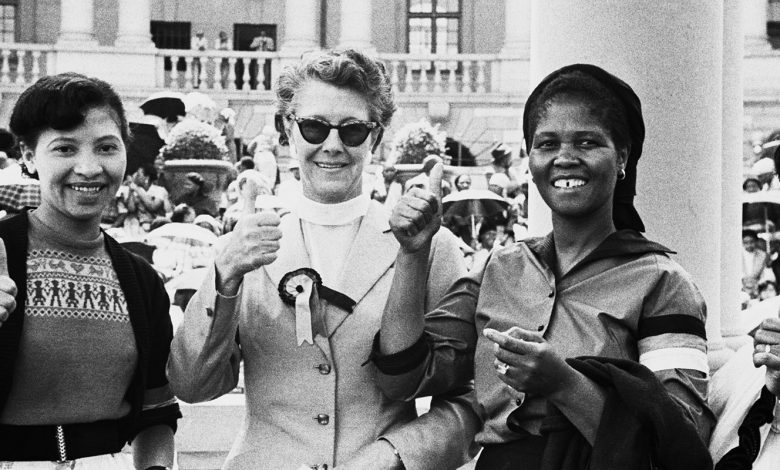
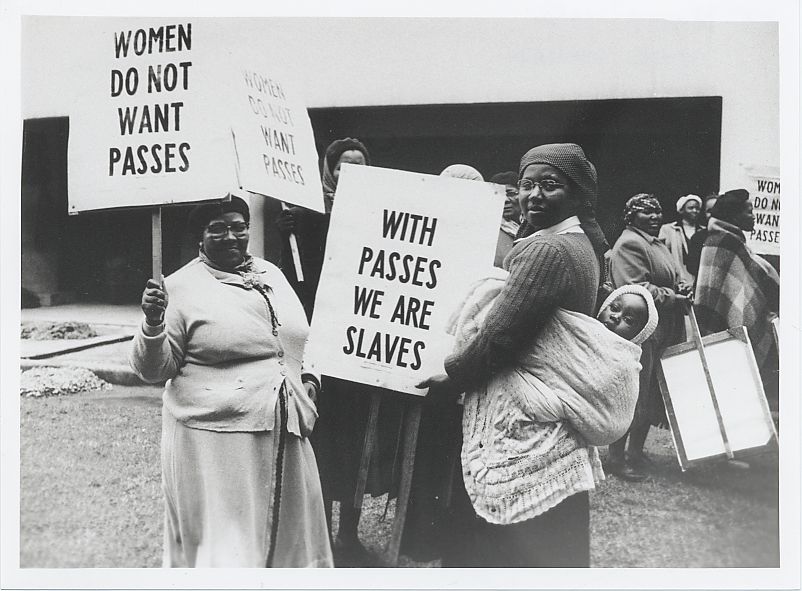
On this day in 1956 a group of women protested against legislation aimed at tightening the apartheid government’s control over the movement of black women in urban areas.
In 1952 the government, under the administration of JG Strijdom, enacted laws to have black women working (or seeking jobs) in urban areas carry permits to prove that they “belonged” in the area.
This was all aimed at monitoring the influx of black people coming into urban areas.
Any woman who could not prove her status was liable to arrest and deportation.
The group of women led by Lilian Ngoyi, Sophia Williams de Bruyn, Rahima Moosa and Helen Joseph, opposed this decision, calling for the freedom of movement.
About 20 000 multi-racial women peacefully marched to the Union Buildings in Pretoria where for half an hour, they observed silence.
Before leaving, the women sang ‘Nkosi sikeleli Afrika’.
Even though Strijdom was nor any of his senior staff were there to see the women, the event would make a mark for years to come giving birth to the Women’s Day national holiday celebrated annually on August 9 in South Africa.
Years later, the day is used to celebrate many different women who may have not necessarily been part of the march, but contributed in their own right, to the liberation and equality of all.
This year, President Cyril Ramaphosa themed the occasion in honour of struggle starlwart Charlotte Maxeke “The year of Charlotte Mannya Maxeke: Realising women’s rights”.
Maxeke was a South African religious leader, social and political activist who advocated education for Africans of South Africa.
She was the first black woman to graduate with a university degree in South Africa with a BSC from Wilberforce University Ohio in 1903 and the first black African woman to graduate from an American university.
Her work as an activist was to be seen in movements against pass laws during the Bloemfontein anti-pass campaign, where she organised a march for women against the pass laws.
Maxeke led a delegation to the then South African Prime Minister, Louis Botha, to discuss the issue of passes for women. These discussions resulted in a protest against passes for women the following year that saw 700 women march to the Bloemfontein City Council, where they burned their passes.
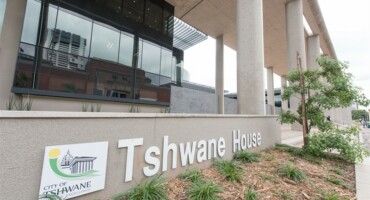
Pretoria streets renamed in honour of female anti-apartheid activists:
– Church Street (from Nelson Mandela to Church Square) was renamed Helen Joseph
– Mitchell Street was renamed Charlotte Maxeke
– Queen Wilhelmina Drive was renamed Florence Ribeiro
– Schoeman Street was renamed Francis Baard
– Schubart Street was renamed Sophie de Bruyn
– Van der Walt was renamed Lillian Ngoyi
A street in Lotus Gardens and another one in Soshanguve were named after Ruth First, a South African anti-apartheid activist and scholar.
Do you have more information about the story?
Please send us an email to editorial@rekord.co.za or phone us on 083 625 4114.
For free breaking and community news, visit Rekord’s websites: Rekord East
For more news and interesting articles, like Rekord on Facebook, follow us on Twitter or Instagram