SA launches bold 1 billion tree drive
Government has officially expanded South Africa’s mass tree-planting initiative into the Presidential ‘One Billion Trees Programme’, aimed at combating climate change, improving food security and encouraging environmental sustainability across communities.
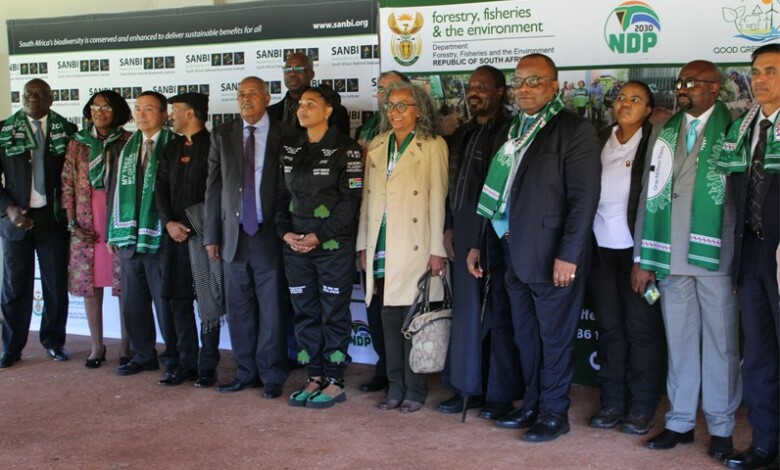
The department is aiming to plant a billion trees this year, marking an ambitious expansion of last year’s successful One Million Trees Campaign.
The Department of Forestry, Fisheries and the Environment officially launched the Presidential One Billion Trees Programme at the Pretoria National Botanical Garden on Monday.
Held under the theme ‘My Tree, My Oxygen’, the campaign is a renewed call for South Africans to actively participate in combating climate change through mass tree-planting initiatives.
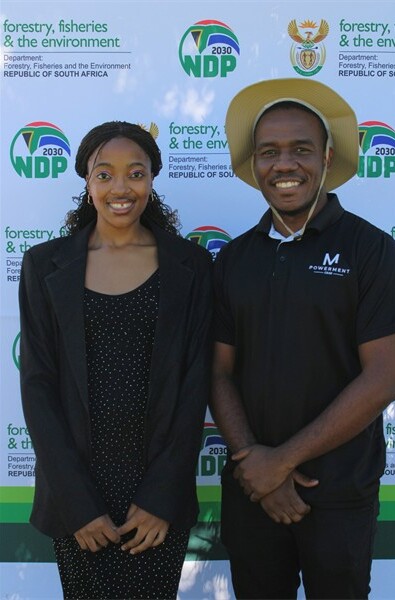
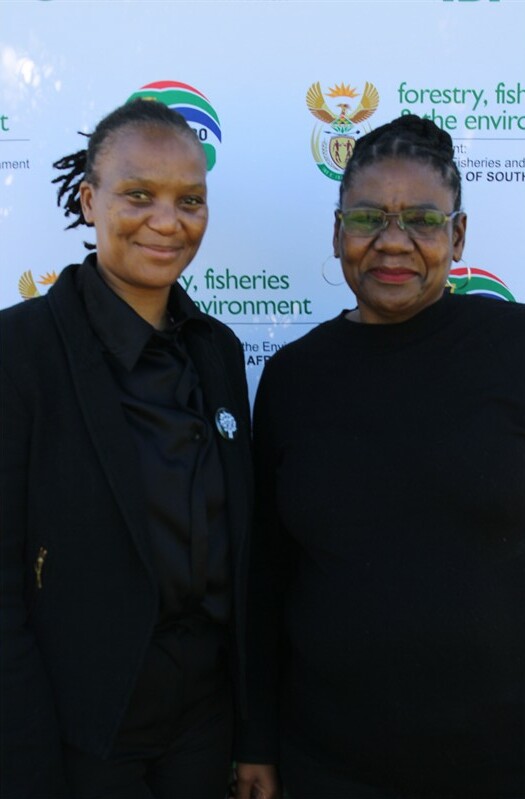
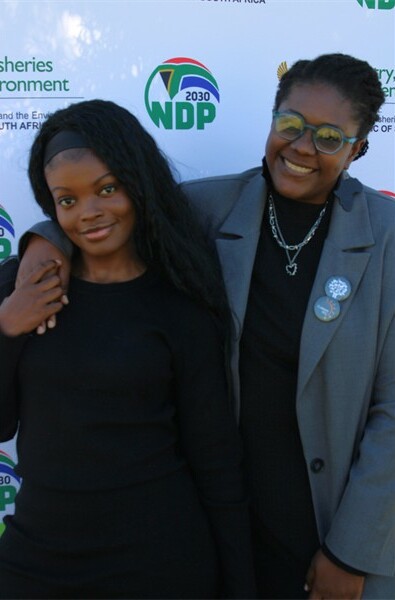
Government officials, municipalities, environmental stakeholders, diplomats, community leaders and learners attended the launch.
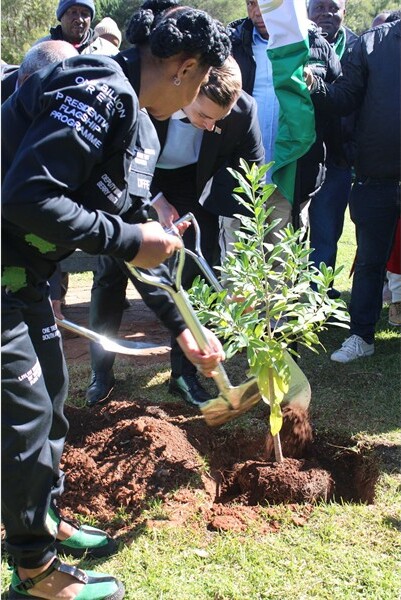
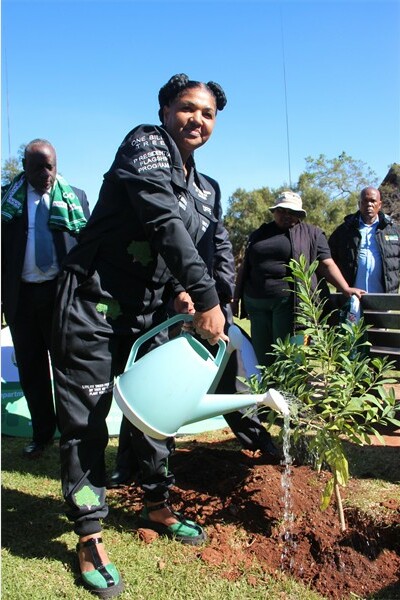
Deputy Minister Bernice Swarts said the programme’s new identity reflects a larger national vision following the success of the previous campaign.
Swarts said the government had carefully monitored trees planted during the previous campaign to ensure sustainability and accountability.
“Each and every tree we planted last year, we know where it was planted, whether it’s still alive and growing, and whether it’s being looked after,” expressed Swarts.
She explained that the department deliberately focused on planting trees in what the government termed ‘safe spaces’, including schools, hospitals, clinics, churches and correctional facilities where ongoing maintenance could be guaranteed.
According to Swarts, municipalities across provinces were also tasked with identifying additional suitable planting sites while environmental scientists assessed which tree species would best survive in each province.
She further noted that the government was avoiding water-intensive tree species due to the country’s water challenges and climate change concerns, opting instead for root-friendly and drought-resistant trees.
She added that they are also inspired by Ethiopia, “which planted more than seven hundred thousand trees in one day”.
Swarts said South Africa was collaborating with countries such as Ethiopia and Saudi Arabia to learn from their large-scale environmental programmes and adapt successful strategies locally.
She further highlighted the government’s plans to establish communal tree gardens in deep rural communities through partnerships with traditional leaders.
“In the deep rural areas, through traditional leaders, we must establish what you call communal tree gardens so that we are able to monitor them. When there is a harvest, everybody in the community can benefit,” said Swarts.
The deputy minister added that President Cyril Ramaphosa had directed that at least 60% of the trees planted during the programme should be fruit trees, to strengthen food security in vulnerable communities.
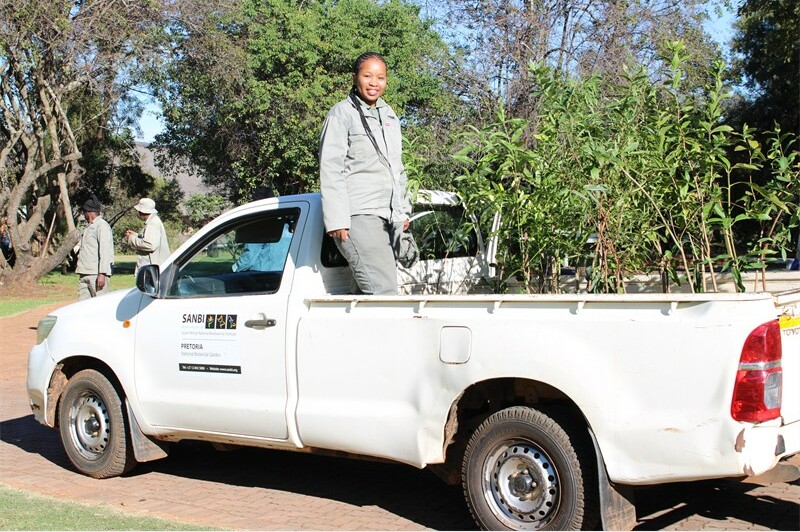
Swarts also revealed that the government did not spend public funds purchasing trees during the previous campaign, as all trees had been donated by individuals and organisations across the country.
“We never purchased a single tree with government money last year. All our trees came from donations from people across South Africa,” said Swarts.
“That alone gives me the motivation and confidence that when South Africans understand something and are brought along, it works.”
The government additionally plans to integrate tree planting into housing handovers for RDP and low-cost housing beneficiaries, who are expected to receive three fruit trees and two indigenous trees alongside their homes.
Speaking during the launch, Gauteng MEC for Environmental Affairs Ewan Botha described trees as deeply connected to African heritage, healing and identity.
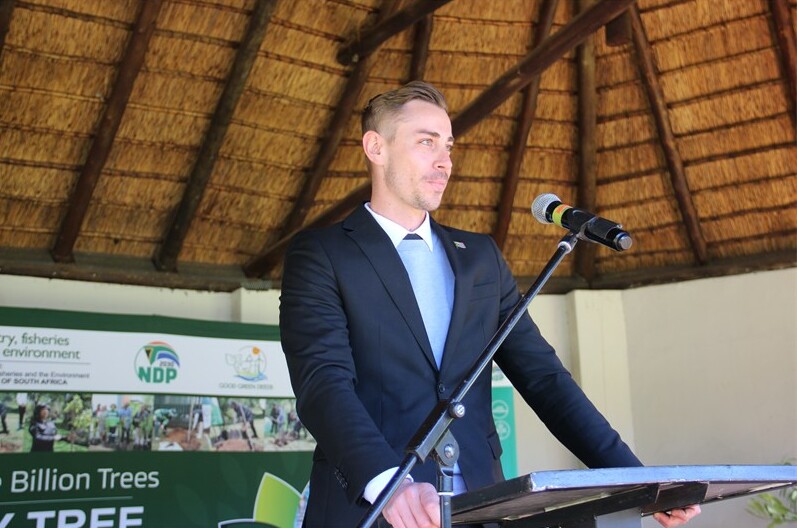
“Trees have provided medicine for Africans for thousands of years. It is now our responsibility, and I believe our purpose, to go out and educate the people of South Africa about medicinal purposes around the traditional healing methods of the trees that we are going to plant,” expressed Botha.
Botha further stressed the importance of extending environmental awareness initiatives into rural communities.
“We cannot simply go to areas that already have trees and tell them the importance of the trees, but we must go to our rural areas and educate our people on the importance of trees,” expressed Botha.
South African Local Government Association chairperson and councillor, Kenalemang Phukuntsi, welcomed the campaign but emphasised the need for accountability and structured implementation.
“Accountability is equally important. Every tree planted should be traceable to a source, a destination and a planting partner,” said Phukuntsi.
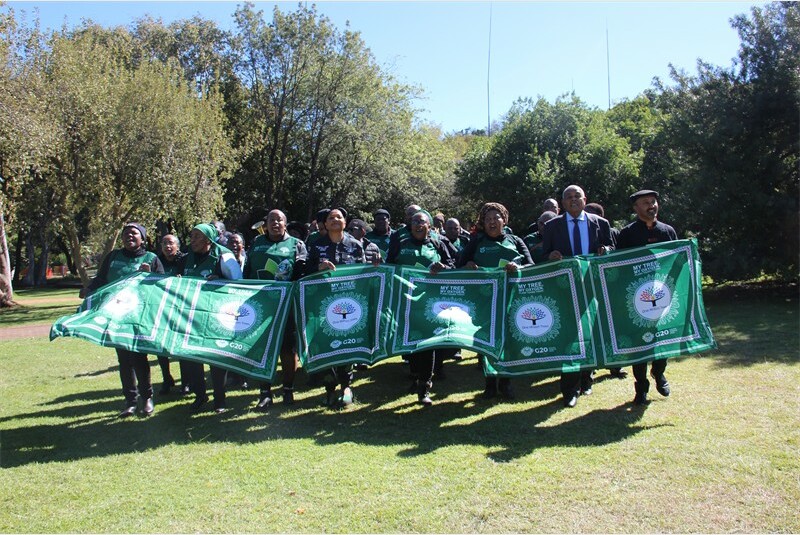
Phukuntsi said municipalities should play a critical role in ensuring that planting sites are identified, communities mobilised and planted trees are maintained.
The programme’s next major milestone is expected to take place on Heritage Day, September 24, when the government plans to co-ordinate the planting of 10 million trees in a single day across all nine provinces.
Officials said the initiative would involve municipalities, schools, businesses, community organisations, traditional leaders and ordinary South Africans working together towards building greener, healthier and more climate-resilient communities for future generations.
Do you have more information about the story?
Please send us an email to bennittb@rekord.co.za or phone us on 083 625 4114.
For free breaking and community news, visit Rekord’s websites:Rekord East
For more news and interesting articles, like Rekord on Facebook, follow us on Twitteror Instagramor TikTokor WhatsApp Channel