Parents beware what you say in front of your children in a divorce
“Acrimonious divorces play a major contributing role here. Many parents cannot separate their negative emotions from their interactions with their children. That results in exacerbating the existing trauma for the innocent, namely, the children.”
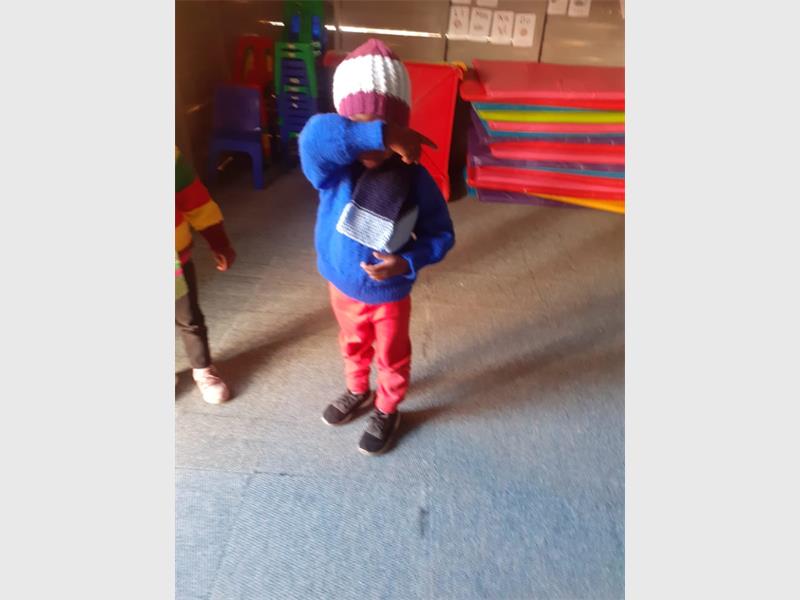
No one has the right to alienate a child from another parent without good grounds.
So says Henda van der Merwe, Director of Christelike Maatskaplike Raad (CMR) in Gauteng East.
According to Van der Merwe, the district has 13 offices from Lyttelton in Centurion, to Cullinan.
“We assist approximately 26 000 people a year with social help such as foster care, adoptions and court cases concerning childcare.”
Van der Merwe said no one has the right to alienate a child from a parent without good grounds and we often see that the other parent may be the main culprit.
“Acrimonious divorces play a major contributing role here. Many parents cannot separate their negative emotions from their interactions with their children. That results in exacerbating the existing trauma for the innocent, namely, the children.
“Unfortunately, parents who lack parenting skills tend to make their children the target. Taking out anger against the partner on a child is common – and in fact pinpointed in the children’s act 38 of 2005, as emotional abuse.
Van der Merwe said the act of involving a child in adult issues pertaining to the break-up, is sad and unacceptable, as is downright nasty talk about the other parent.
ALSO READ: ‘Report domestic violence’ – CMR
“It is not okay to discuss the other parent’s behaviour, or say negative things about him or her. Many people fall short on this. They tend to vent without considering the effect on the child.
“But it goes beyond saying wrong things. Parental alienation is the deliberate undermining of the contact and/or the relationships with the other parent. Even if there are reasons to react this way, a child should never be put in the middle.”
She said where there are grounds to believe the child should be kept away from a parent, a child protection organisation or a professional person working with families and children should be contacted. They should investigate and determine whether there are grounds to remove a child or keep him from a parent.
“There are grounds for this, such as when a parent with a substance abuse problem, refuses treatment. In such a case a child’s life could even be in danger. Then it is in his interest for others to step in and help achieve a safe, nurturing environment.”
Van der Merwe said there are cases across the spectrum, from life-threatening to everyday cases.
“In each instance a social worker will assess the circumstances and determine the best outcome for a child. That could mean anything from short-term therapy to restoration of a damaged relationship with a parent, to longer term involvement in the child’s life to ensure the best outcome.”
Gauteng East head office can be contacted for welfare issues on 012 361 4619.
Do you have more information about the story?
Please send us an email to editorial@rekord.co.za or phone us on 083 625 4114.
For free breaking and community news, visit Rekord’s websites: Rekord East
For more news and interesting articles, like Rekord on Facebook, follow us on Twitter or Instagram