Quality of Bronkhorstspruit water questioned
The Bronkhorstspruit water treatment plant was shut down last week due to poor water quality that was being processed as a result of the rain.
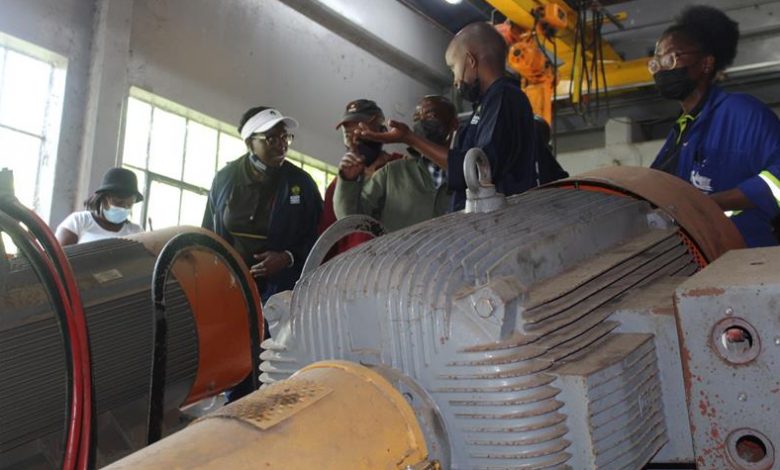
The quality of water supplied to Bronkhorstspruit residents has been questioned following the shutdown of a water treatment plant that supplies water to close to eight neighbourhoods.
Last week Thursday, the Tshwane metro announced that it would temporarily shut down the plant due to the poor water quality that was being processed.
The shutdown resulted in some areas being without water, for which water tankers had to be arranged to supply affected areas.
Probing the matter, the Human’s Rights Commission paid a visit to the plant, where it said its interest was to test the correctness of the allegations that the Tshwane metro has been supplying communities with water that doesn’t meet drinking water quality standards
“We learned through the media that the City of Tshwane had issued a media advisory notifying residents that it would be temporarily shutting down the water treatment plant as it was processing water of poor quality,” said the commission’s Buang Jone.
“Noting that this would affect the residents, the commission decided to embark on this visit to understand the causes and the plans the metro has in place to ensure that it addresses the concerns we have received.”
Although the plant has been reopened to supply water, Jones said the commission was worried that the water supply may still not be safe for human consumption.
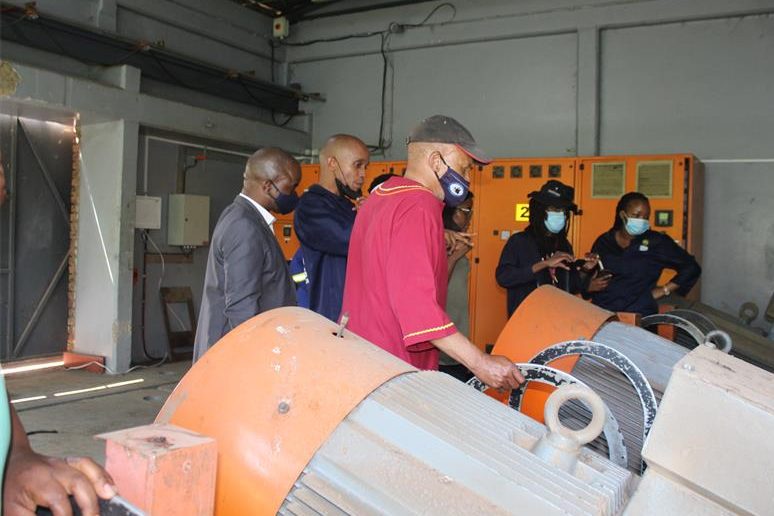
To establish the facts, Jones along with his team conversed with Tshwane’s acting divisional head of bulk water and wastewater services, David Ntsowe on what the causes of the poor quality of water were and what necessitated a shutdown.
Among other issues, Ntsowe said the less than R2-million budget allocated to maintain the plant was not enough and that ageing infrastructure was limiting the capacity to which water could be treated during rainy seasons.
“When it rains there is a lot of sediments that go into the dam, what this results in is the water being dirtier,” he said.
“You have streams bringing water into the dam and because it comes at a certain speed, it sort of stirs up the dam. So the sediments that come in and ones that would ordinarily be in the dam get suspended.”
Ntsowe said the suspended sediments would get pumped into the system which in its design could only handle a certain amount.
“The plant as designed can handle anything between seven and 15 NTUs (Nephromatic turbidity units). When it rains like it rained the past week, that number shot up to 70 NTUs”
“It gets worse depending on the intensity of the rain, the control team has reported numbers in the access of 3 000.”
Ntsowe said in such situations measures need to be taken to protect the output to avoid running the risk of supplying water that doesn’t comply with standards.
He said the 39-year-old plant needed to be upgraded to suit the standard of raw water quality being pumped in, adding that the lifespan of civil structures was usually 20-25 years with regular maintenance.
“The plant is old I am sure you can see as you come in, it’s a problem that besets the city as well as the country and the water industry,” he said.
“The raw water quality in 1982 was not the same as it is now.
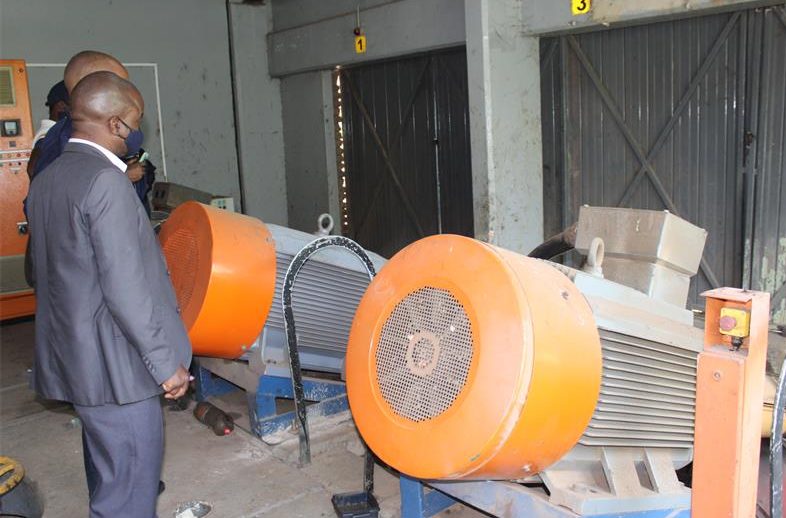
Ntsowe said there were plans in place to upgrade the plant and that the consultation process was underway.
Meanwhile, the Department of Water and Sanitation undertook to collect samples from both the drinking water and potable water provided to the residents of the area.
The results of these would determine whether Tshwane was providing quality drinking water to residents of Bronkhorstspruit.
Jones also said they would be writing to the Tshwane metro to request a formal response on some of the issues raised.
“We do understand that the city has started a process to develop bid specifications which are intended to expand the capacity of the plant and to refurbish it as it has reached its life span and there is a need for this to be done as soon as possible so they can supply the community with water of sufficient quality and water that meets the prescribed norms and standards,” he said.
Do you have more information about the story?
Please send us an email to editorial@rekord.co.za or phone us on 083 625 4114.
For free breaking and community news, visit Rekord’s websites: Rekord East
For more news and interesting articles, like Rekord on Facebook, follow us on Twitter or Instagram