Tshwane sees increase in drug users requesting treatment
The 2021 World Drug Report by the United Nations Office on Drugs and Crime, estimated that in 2018 approximately 269 million people globally had used a drug at least once in the previous year and the number expected to rise to 299 million people by 2030.
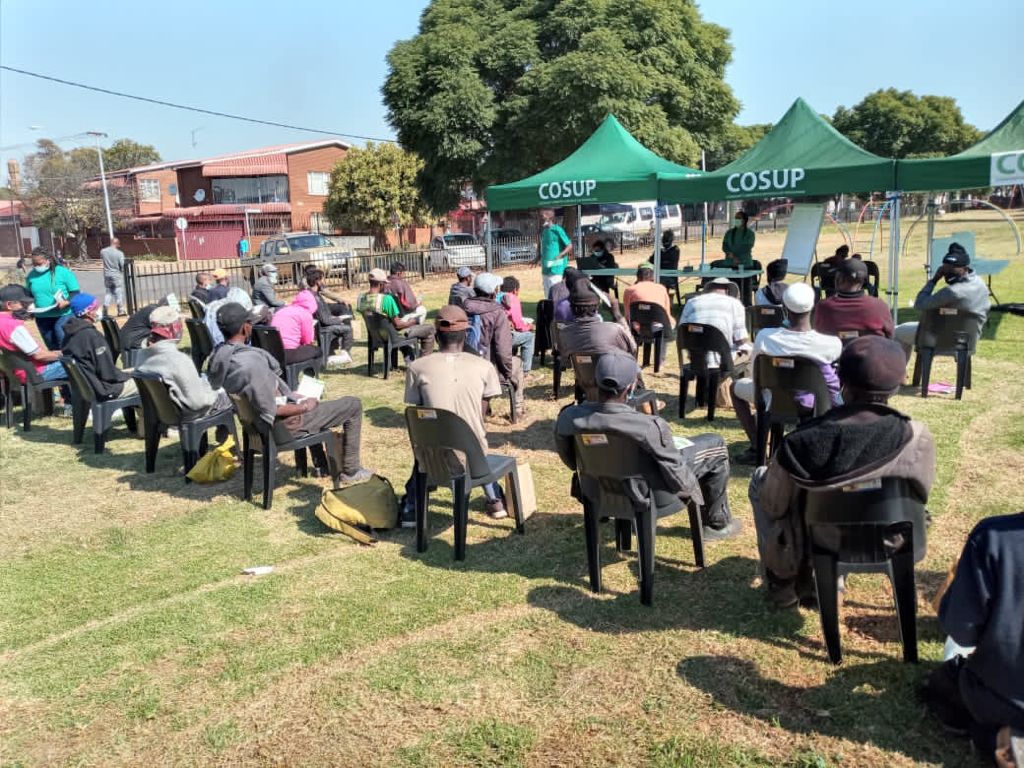
More drug and alcohol abusers in Tshwane are seeking help this year to relinquish their dependency on substance use, according to the Tshwane metro.
This comes at the back of the 2021 world drug report by the United Nations office on drugs and crime, estimating that in 2018, about 269 million people globally had used a drug at least once in the previous year. The number was expected to rise to 299 million people by 2030. Of this, 60 million would be located in Africa.
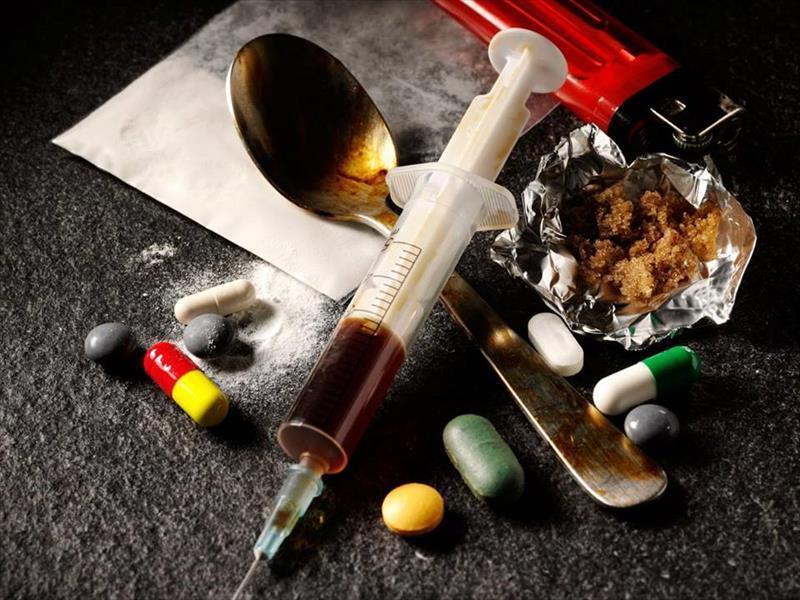
According to information presented by the South African Community Epidemiology Network on Drug Use (SACENDU) at a symposium held last week, between January and June, Tshwane noted an increase of 1 057 drug users seeking treatment.
This saw the total number of users seeking assistance rise to 5 969 in the metro.
According to the treatment demand and harm reduction service data presented by Dr Siphokazi Dada from the SACENDU, the increase consisted of 86% of black males and 63% of them being younger than 30 years, with most of them unemployed.
Dada said the primary substance of use that was reported in Gauteng from January to June of 2021, was cannabis and heroin, both at 28%, with 17% of people seeking treatment reporting methamphetamines as their primary substance of use.
She said 10% reported alcohol, 8% reported CAT, and 3% reported Mandrax.
She said people who identified alcohol as their primary substance often requested help when they had reached alcohol dependence stage.
“For the older generation there was an uptick in the number of people who identified alcohol as their primary substance of use, at 28% of the 884 of those between the ages of 36 and 55 years.”
Dada said access and affordability to a substance as well as peer pressure were the contributing factors to substance use.
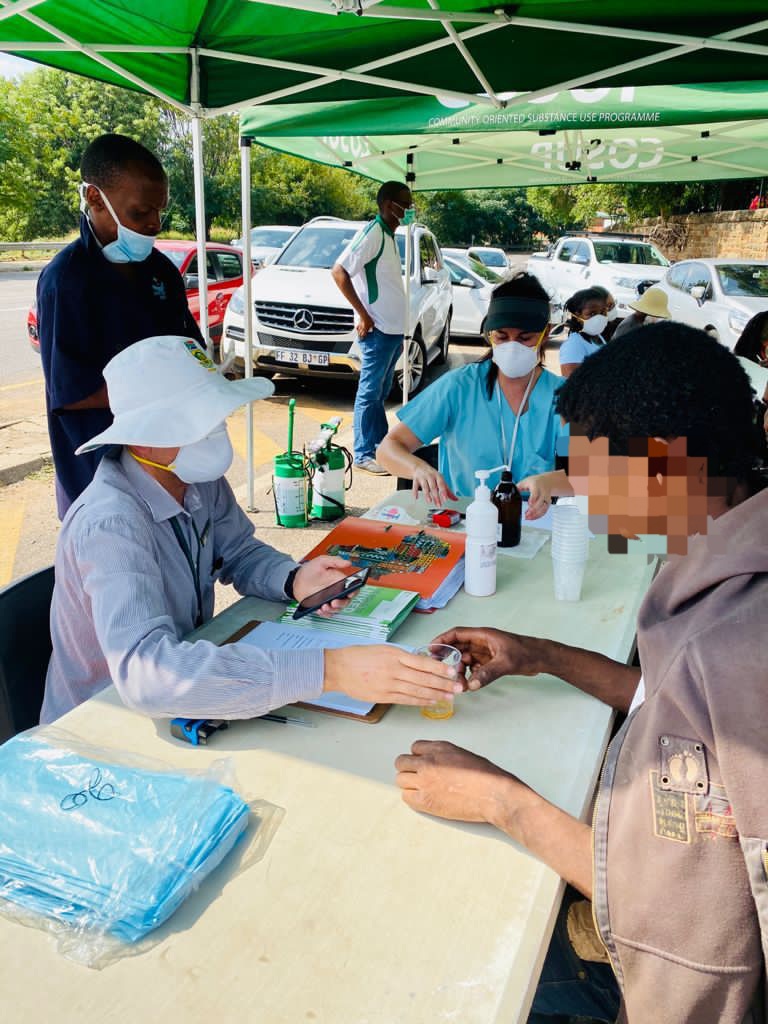
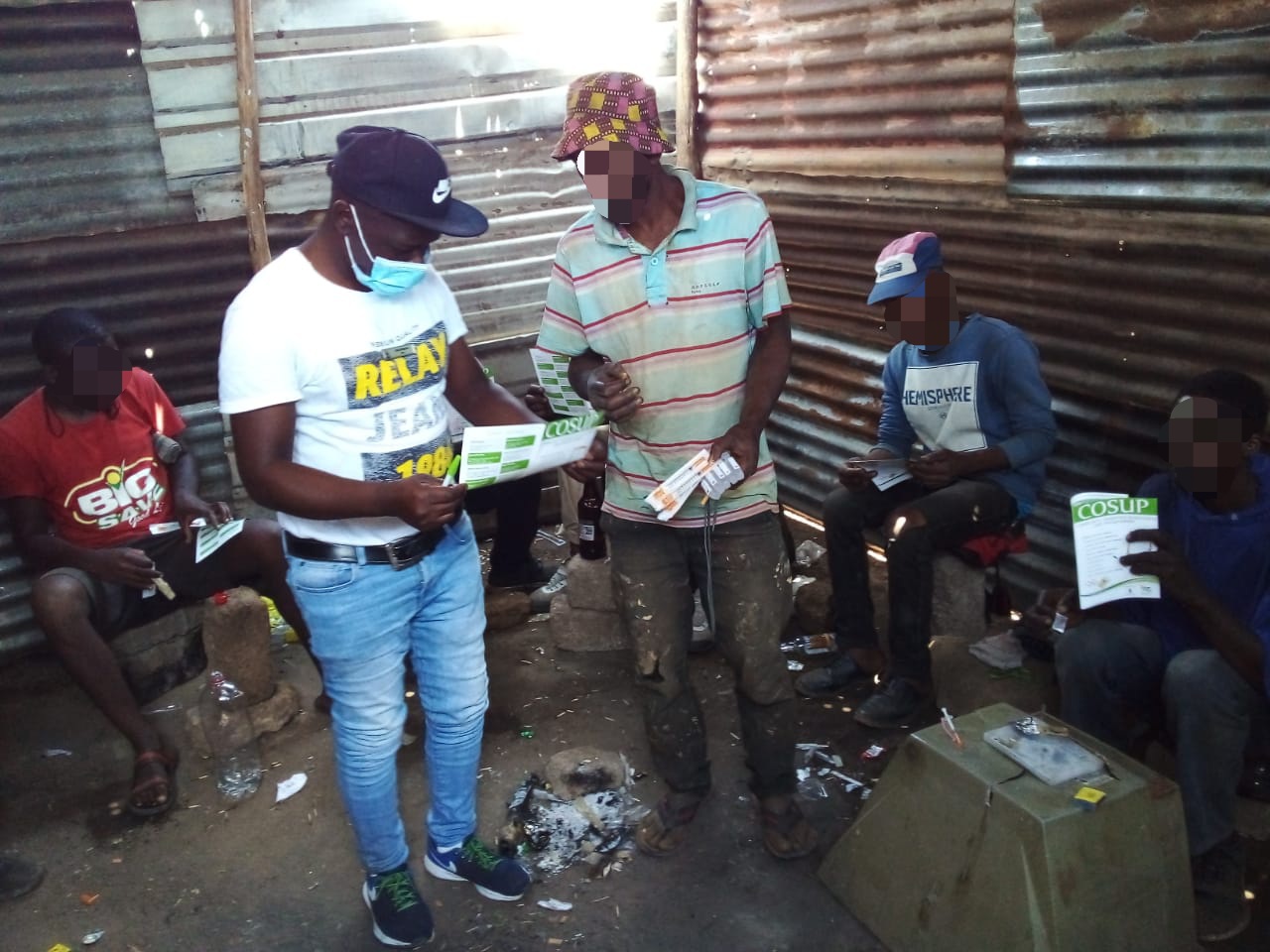
South African Network of People Who Use Drugs (SANPUD) spokesperson Phumlani Malinga said community oriented substance use programme (COSUP) provided medical treatment, counselling services spearheaded by social workers, opioid substitution therapy and needle exchange programmes for people who inject drugs, which were run by peer educators who are recovering substance users themselves.
ALSO READ: Mamelodi massacre protesters commemorated
She said COSUP had 16 sites throughout Tshwane for people to access health services.
University of Pretoria dean at the faculty of health sciences, Professor Tiaan de Jager, said UP valued the collaboration with the Tshwane metro in the COSUP initiative.
“The significant growth of COSUP sites proves that with strategic partnerships we can make a positive impact in society together. Through this symposium we hope to highlight lived experiences of drug users in South Africa through evidence-based research approaches.”
De Jager said the COSUP collaboration currently had the largest harm reduction programme in South Africa with over 2 000 people initiated into the programme, and over a quarter of a million needles distributed and collected, since its inception in 2016.
Head of Tshwane Health Group Koena Nkoko said the recent independent customer survey in Tshwane highlighted drug and substance abuse as one of the top strategic challenges the city must focus on.
“Owing to this finding, this unique association with various stakeholders, including academia, we will continue to boast practical and evidence-based interventions that contribute enormously to the reduction of consequences related to drug use,” Nkoko said.
He said the presence of the Covid-19 pandemic and regulations should not be a barrier to implementing the substantive work of rendering support to those affected by the use of drugs.
Director of the University of Pretoria’s community-oriented primary care research unit Professor Jannie Hugo said substance use and its harms were results of a troubled society.
“Rather than getting rid of the people who are involved, we should rather listen to the message of the problems of substance use. We should focus on the person and the harm, not the drug, with an evidence-based approach.”
Likwa Ncube from COSUP, who presented the study at the symposium pointed out that most of the respondents believe that COSUP had increased access to treatment and services to substance users and many perceived an improvement in the well-being of the substance users.
Ncube mentioned that the majority of respondents also saw the positive impact that COSUP was making in the supported community re-integration.
Do you have more information about the story?
Please send us an email to editorial@rekord.co.za or phone us on 083 625 4114.
For free breaking and community news, visit Rekord’s websites: Rekord East
For more news and interesting articles, like Rekord on Facebook, follow us on Twitter or Instagram