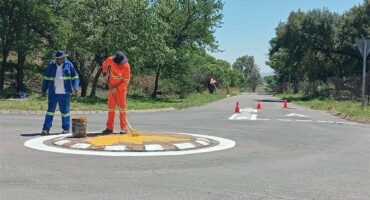
Tshwane in 2021 crippled by aging infrastructure and Covid outbreak
“I want to ask residents to be very careful in how they celebrate Christmas and observe all the rules and sanitise, wear your mask and not to congregate in big groups,” mayor Randall Williams.
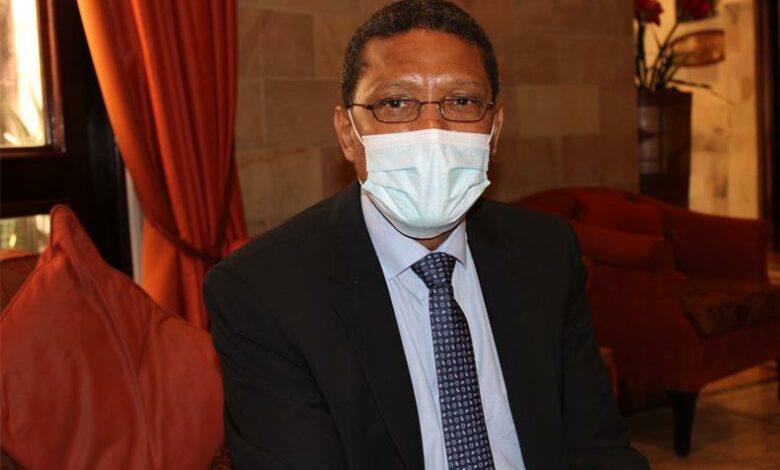
Tshwane mayor has reflected on the past 12 months, in which the metro council faced dire financial straits, failing electricity and water infrastructure, while residents had to continue living amid a coronavirus outbreak.
Randall Williams first became mayor at the end of October 2020, and was again elected in November 2021.
“We took office immediately after the administrators had been in office for a period of eight months, which created total chaos with our [metro] finances,” he said.
A major part of the financial struggles, Williams said, was due to the R4.5-billion deficit incurred by the metro during the time [March-October 2020] the administrators were leading the municipality.
“We were downgraded by Moody’s [international ratings agency] and we are deep into junk status,” Williams said, adding that due to this, the metro was unable to raise long-term loans to fund capital projects.
“We already had started with the capital projects and incurred costs as we had the expectation that we would secure a long-term loan to fund the projects.
“Unfortunately for us, we have not been able to secure the funding because we were downgraded by Moody’s and the banks refused to approve any long term loans.”
He said the metro funded these projects out of its monthly operating budget which placed pressure to the metro’s cash flow.
This lack of funds to invest in aging electricity and water infrastructure, was “why you find that we have massive electricity outages”.
Earlier this month, some residents in the east of Pretoria spent up to 13 days without power due to trips at Wapadrand substation and a fire at Mooikloof substation.
“We urgently need to replace the electricity infrastructure and that is the same thing with the water outages. Our water losses currently stand at 36%,” he said.
“As far as electricity outages, we have identified four critical substations: the Wapadrand, Mooikloof , Pyramid and Njala. We are putting capital projects in place to totally build new substations with modern design.”
Williams said this project already started at Wapadrand station in the east of Pretoria, which would take 18 months to complete at a cost of R300-million.
He said the metro applied to national treasury for a R3.4-billion funding of for a revamp of the water infrastructure.
“We want to start with a pipe replacement project in Tshwane which is something that should have been done decades ago.”
Williams said the cause of water losses was due to aging water infrastructure such as the asbestos and cement pipes which had to be replaced to prevent water losses.
He said the metro has started with replacing pipes but a large part of the project throughout Tshwane relied on the funding by national treasury.
Aside from cost cuts to balance the municipality’s finances, Williams said: “We’ve also looked at measures to enhance our revenue collection, and we managed to improve, as by September we had collected R3.5-billion in a month.
“Now we want to see the metro reaching a revenue collection of up to R4-billion a month, to change the municipality around to deliver acceptable services and we cannot compromise on that.”
Among the metro’s achievements this year, Williams said the municipality improved services such as street light repairs by 85%, opening of Lusaka clinic after several delays, new road lanes in the north of Pretoria and progress at social housing projects in the CBD such as Marabastad Townlands.
Mamelodi was faced week-on-week killings this year which left eight people dead, some of who were killed in front of their families and others in full view of the public.
Williams said to curb crime in the region needed joint effort between police and the Tshwane metro police department for safer communities.
“We are looking at fostering partnership with SAPS, where the police can support TMPD in mandates which remain SAPS functions.”
Williams urged residents to follow regulations this festive season to avoid high community transmissions of the coronavirus.
“The Omicron variant was mostly detected in young people and I want to urge residents not to hold large gatherings. On the latest stats, we are seeing Tshwane peaking off and we hope we will not see yet another increase.”
Williams conveyed Christmas messages to the residents.
“We are in the middle of the pandemic and it will be a difficult Christmas. A lot of people lost their jobs, our hospitality [industry] and restaurants have been decimated. People can celebrate Christmas, but I think a lot of families are going through hardships and we trust there will not be any harder lockdown.
“I want to ask residents to be very careful in how they celebrate Christmas and observe all the rules. Sanitise, wear your mask, and do not to congregate in big groups.
“I urge residents to take care in celebrating Christmas and I wish them a joyful time.”
Williams cautioned against drunk driving this festive season.
“There is nothing wrong in drinking alcohol but you will find some people go overboard which lead to things such as drinking and driving. The excess in drinking also leads to lack of adherence to regulations and we do not want to see the rate of infections going up again.”
Do you have more information about the story?
Please send us an email to editorial@rekord.co.za or phone us on 083 625 4114.
For free breaking and community news, visit Rekord’s websites: Rekord East
For more news and interesting articles, like Rekord on Facebook, follow us on Twitter or Instagram