Know what you can and can’t do after an accident
Motor vehicle accidents are seen more and more every day, but not everyone is aware of what they can or cannot do at the scene of an accident.
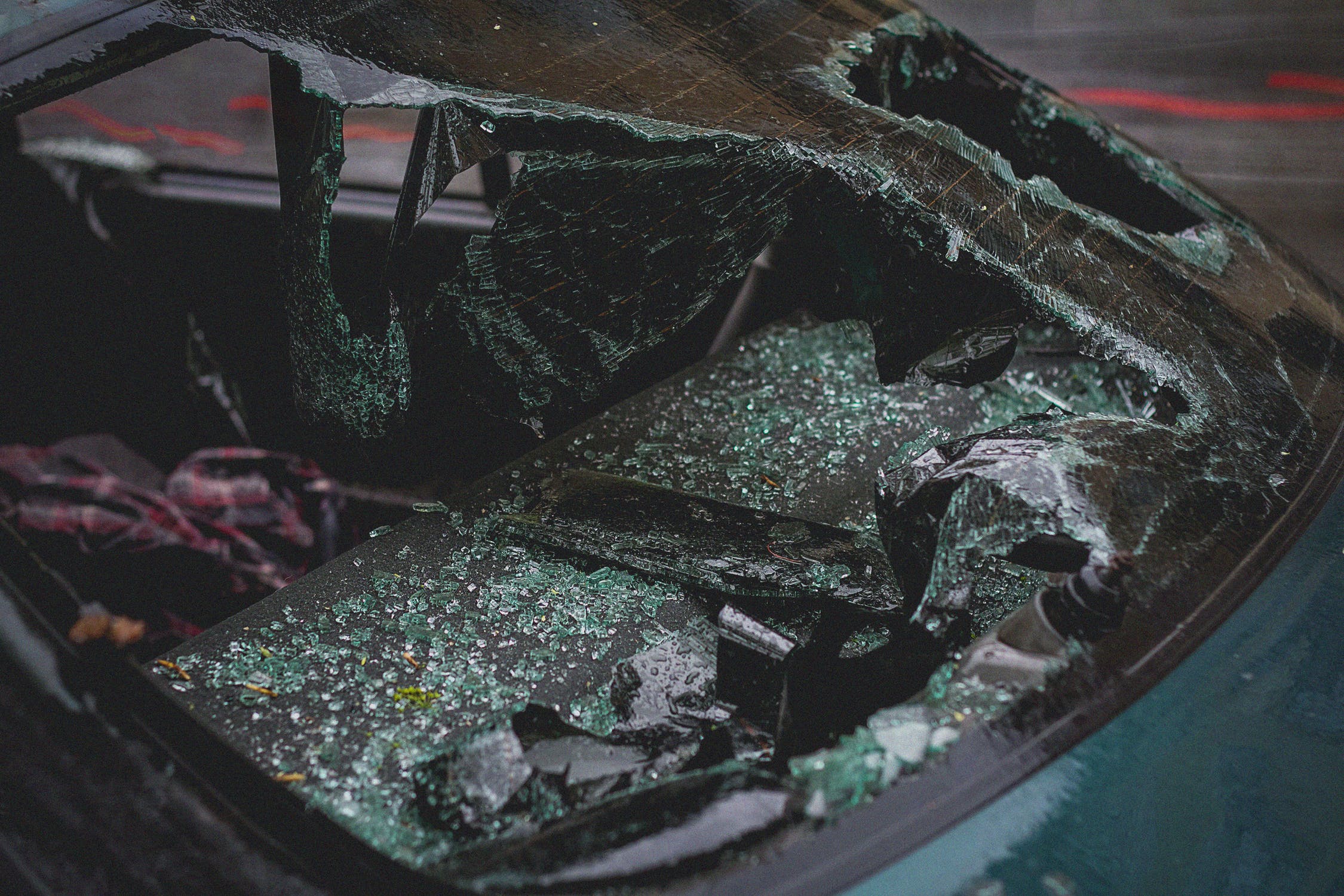
Motor vehicle accidents are seen more and more every day, but not everyone is aware of what they can or cannot do at the scene of an accident. Review spoke to a legal adviser Moses Mphahlele on what a person should do after a motor vehicle accident.
You might also want to read:
7 Tips to remember
“There are many stories that people make up to free themselves from wrongdoing when it comes to accidents. It is very important that people know what their rights are and what they can and cannot do to make sure that they do not get tricked and end up liable for an accident they did not cause,” Mphahlele said.
READ MORE: How to report an accident online
Here are some guidelines to follow according to the law:
• Call the police or report the accident at the nearest police station within 24 hours (if a person is killed or injured) or on the first working day after the accident (if no person was killed or injured).
• Write down the name of the police officer spoken to and the accident report’s reference number.
• Co-operate with all emergency personnel and police who respond to the accident.
• Get the details of all other motor vehicles involved in the accident. This includes the drivers’ names, ID numbers, addresses, telephone numbers, description of the motor vehicles, their registration numbers and all relevant details from the licence discs.
Also include the date, time and address of the accident, the weather and road conditions where the accident occurred and any other information that may be relevant.
• If an employee is driving a motor vehicle on behalf of his/her employer, then the details of the driver and the employer must be taken. • Write down the names, addresses, and phone numbers of all potential witnesses to the accident.
• Take photographs or a video of the following: The scene of the accident, from all angles; the surrounding area; the injuries and any damage to property.
• Draw a sketch plan of the scene and make sure that it contains a fixed point so that it can easily be traced. Also make a statement about how the accident happened. This sketch and statement will remind a person of all the details relating to the accident at a later stage.
• If a person has been injured, a doctor must be consulted immediately, even if the injury is not serious. • If the person is insured, that person has to notify his/her insurance or broker as soon as possible. Write down the name of the person spoken to at the insurance firm and the reference number for the claim.
What not to do after an accident:
• Move your motor vehicle, unless it is necessary for safety or required by law.
• Subject yourself to further injury by standing or waiting in an area near traffic or other safety hazards.
• Leave the scene of an accident unless the police tell you to.
• Throw away any potential evidence, such as defective products, important documents, or torn or blood-stained clothing.
• Engage in discussions about fault with anyone as that can be considered evidence in court or admit liability.
• Agree to settlement terms without discussing the matter with an attorney.
Do you have more information about the story?
Please send us an email to editorial@rekord.co.za or phone us on 083 625 4114.
For free breaking and community news, visit Rekord’s websites: Rekord East
For more news and interesting articles, like Rekord on Facebook, follow us on Twitter or Instagram