Don’t panic, says Tshwane metro as typhoid cases jump to 9
The number of reported cases couldn’t be considered to be an outbreak, according to health MMC.
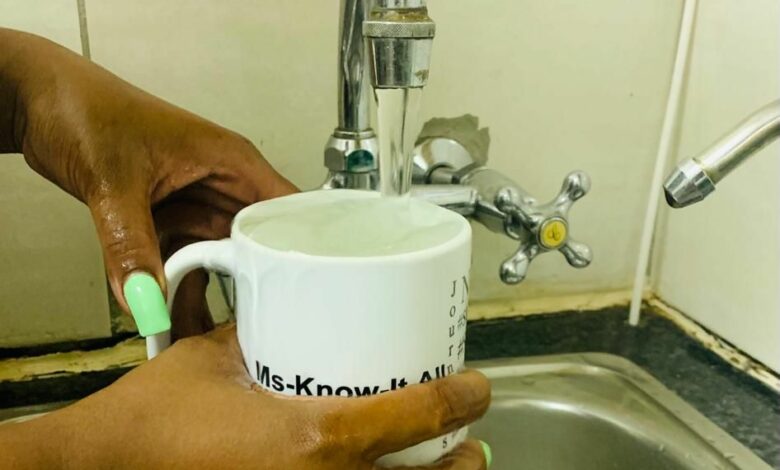
As the number of typhoid fever cases in Tshwane increased to nine, the metro said this was no reason to panic.
“The cases reported couldn’t be considered to be an outbreak,” said health MMC Rina Marx. “Cases are scattered all over the city. There are currently nine cases registered; of which two were reported in December 2021 and seven reported from January to date.”
According to the European Centre for Disease Prevention and Control (ECDC), an outbreak is defined as two or more cases where the onset of illness is closely linked in time (weeks rather than months) and in space, where there is suspicion of, or evidence of, a common source of infection.
A cluster outbreak of the disease has been reported throughout the country with three provinces being affected, including Gauteng. Tshwane had initially reported seven cases, but this has since increased.
“A cluster outbreak refers to two or more cases that initially appear to be linked by space, for example, area of residence, work, or other setting such as healthcare or community, and which have sufficient proximity in dates of onset of illness (e.g. six months) to warrant further investigation.
“An alternative classification of a cluster is one where cases are linked by close onset dates but only by a very broad geographic proximity. “To call it a breakout, a group of people in a specific area should be confirmed with the infection,” Marx said.
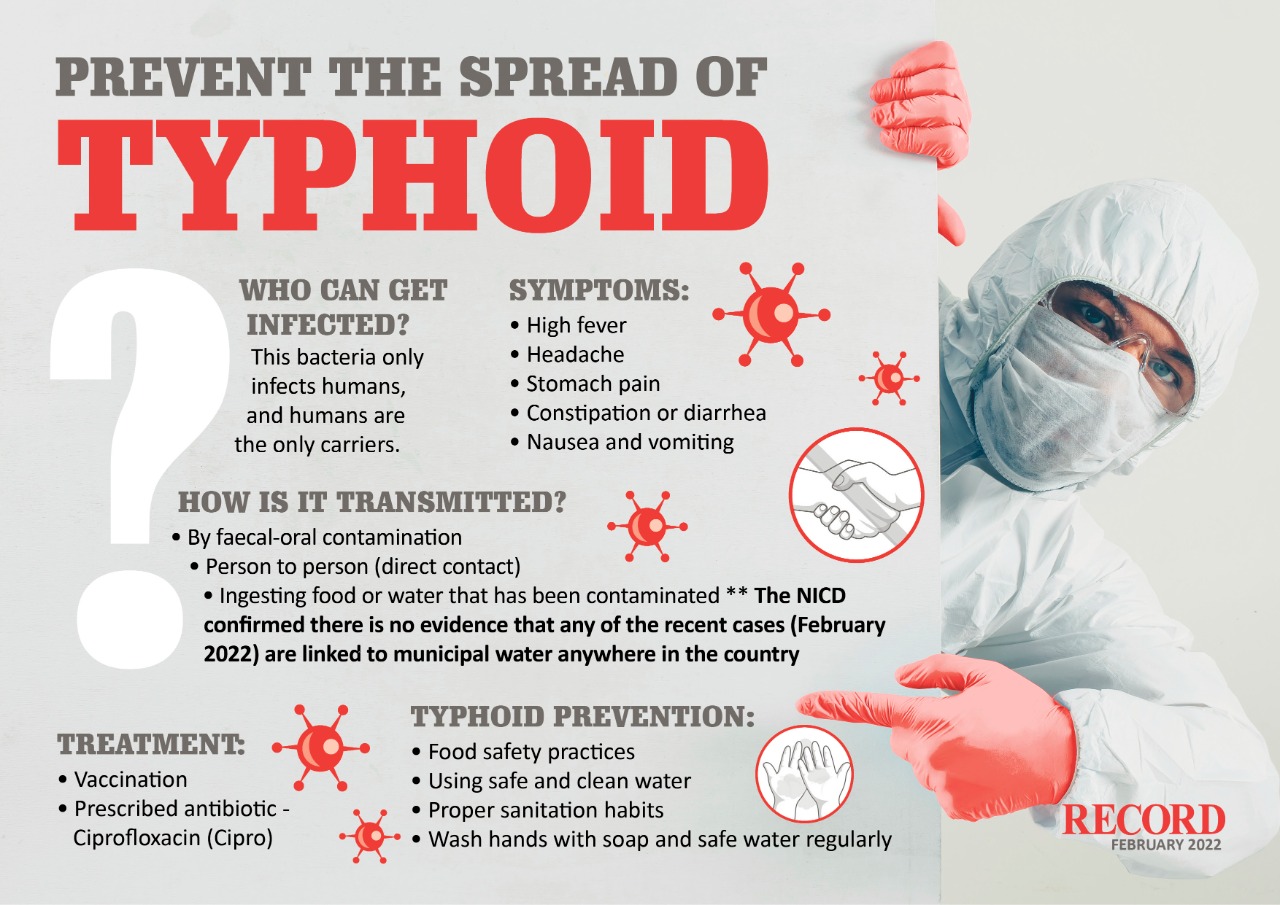
Typhoid fever caused by Bacterium Salmonella Typhi is spread through contaminated food, water and/or close contact. Meanwhile, Rand Water reassured residents that its water supply was not contaminated.
In a statement, the water supplier said its drinking water processes were effective in inactivating harmful bacteria. “The recent typhoid cases reported in the news have not been linked to tap water,” the statement read.
“Rand Water maintains intensive water quality monitoring programmes. Escherichia Coli, a bacteria used as an indicator for the presence of faecal pollution and diseases causing organisms such as Salmonella Typhi, has not been detected in the drinking water supplied by Rand Water.”
“Drinking water supplied by Rand Water complies with drinking water standards and is safe for human consumption.”
ALSO READ: No proof municipal water is cause of typhoid outbreak
Do you have more information about the story?
Please send us an email to editorial@rekord.co.za or phone us on 083 625 4114.
For free breaking and community news, visit Rekord’s websites: Rekord East
For more news and interesting articles, like Rekord on Facebook, follow us on Twitter or Instagram