Reverse zoonotic TB transmission prompts testing of elephants at Kruger National Park
“It looks like somewhere between six and nine percent of the elephants we have tested have signs of having been infected.”
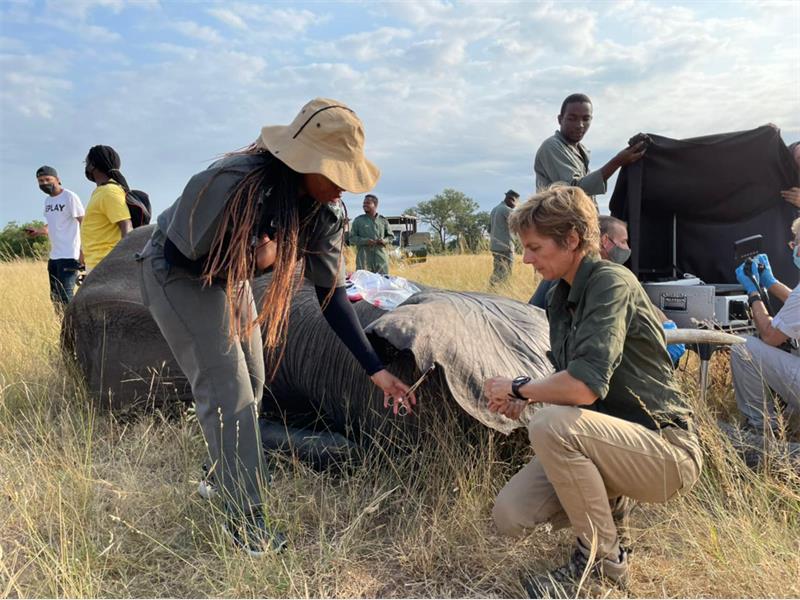
The reverse zoonotic transmission of tuberculosis (TB) in an elephant at the Kruger National Park has prompted specialists to test more of the mammals.
In 2016 an elephant at the park was found to have contracted the human form of TB ultimately leading to its death.
A post mortem conducted showed that the bull only had 20% of its lung capacity left. This became the first elephant to die as a result of TB.
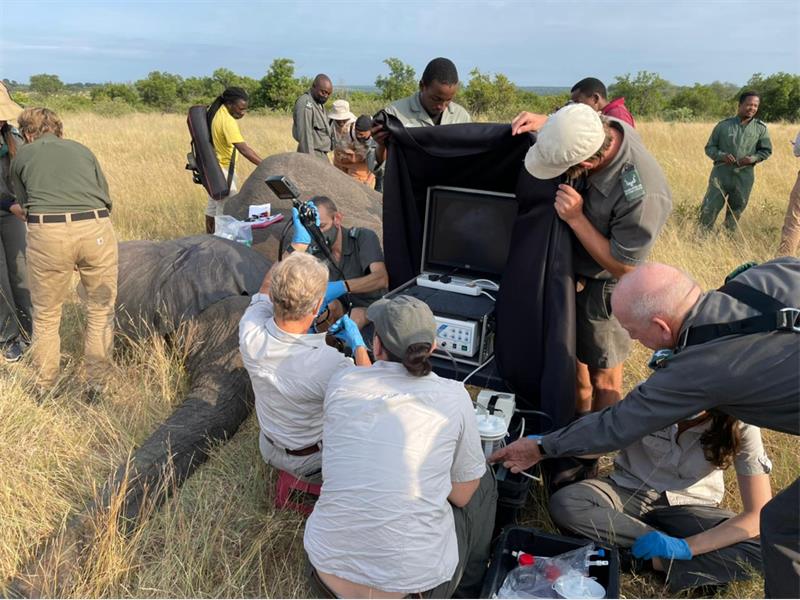
In a search for more answers a team of veterinarians and researchers at the Kruger National Park darted a bull elephant which was tested for the virus.
A vet focusing on animal TB research, Prof Michelle Miller said researchers were hoping to get more information on how elephants were affected if they developed the disease and whether it impacted them in the long term.
“Before that we didn’t think elephants were necessarily affected by TB here in the park, as other species such as buffalos and lions are,” she said.
“Its not a disease that stays restricted to a single species because of the interactions in the environment and between the species we are very concerned as to whether there are things that are impacting that transmission, such as climate change, vegetation changes, draught, malnutrition.”
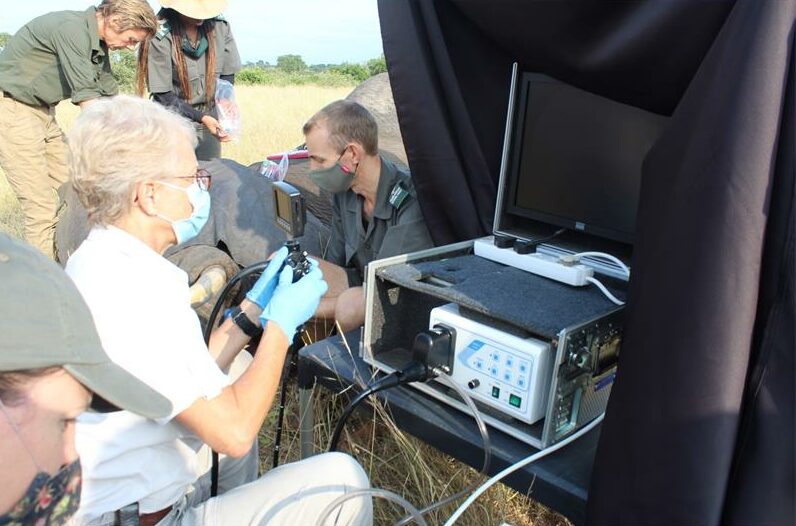
She said in 2016 the team developed a testing programme to look for the bacteria respiratory secretion such as from the lungs and the trunk – very much like how humans are tested.
“And then we are also looking at developing a blood test that is much easier to do and we can rapidly screen elephants for infection.”
Miller said so far research showed that just like people, elephants that were infected with TB could be infected for years and even decades without showing any symptoms.
She said this was reflective in zoo elephants where it could take 20 to 30 years before you could see any type of impact.
“We have not found any other animals that were sick or either died from TB other than the one in 2016, but we have found several cases infected with the cattle TB strain, but that wasn’t necessarily causing them a problem.
“We have been doing blood tests to screen the larger part of the population and it looks like somewhere between six and nine percent of the elephants we have tested have signs of having been infected.”
It remained unclear how the elephant in 2016 contracted the disease.
ALSO READ: History made as military veterans land with parachutes at Voortrekker Monument
How the elephant was darted:
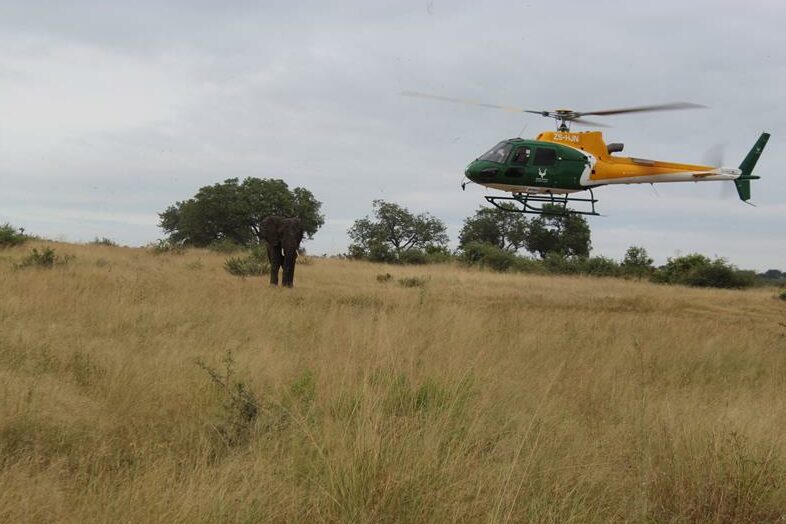
– The team of researchers had their hands full trying to identify an elephant to dart. With a helicopter, the team made their pick, but not without any challenges.
– Their first attempt failed as an elephant found shelter between trees. Their second pick was eventually made after a 30 minute chase.
– Eventually the elephant was darted and the helicopter was used to keep the mammal within a certain area until it went to sleep.
What was done to the elephant:
– Researchers took 45 minutes to an hour collecting samples for tests.
– Blood samples were collected.
– Secretion from the lungs was collected. All samples go into long-term storage for future research projects.
– When all samples were completed, an antidote was given to the animal and minutes later it was up and running.
– Researchers said all these procedures were not in any way harmful to the animal.
ALSO READ: Bid on a luxury getaway for two
Do you have more information about the story?
Please send us an email to editorial@rekord.co.za or phone us on 083 625 4114.
For free breaking and community news, visit Rekord’s websites: Rekord East
For more news and interesting articles, like Rekord on Facebook, follow us on Twitter or Instagram