Pretoria North increasingly becoming affluent, with high levels of car ownership, survey finds
“Pretoria North is emerging as increasingly affluent, characterised by relatively high household incomes and high levels of car ownership. The highest median income is in the Pretoria North sub-region, followed by the Pretoria east area.”
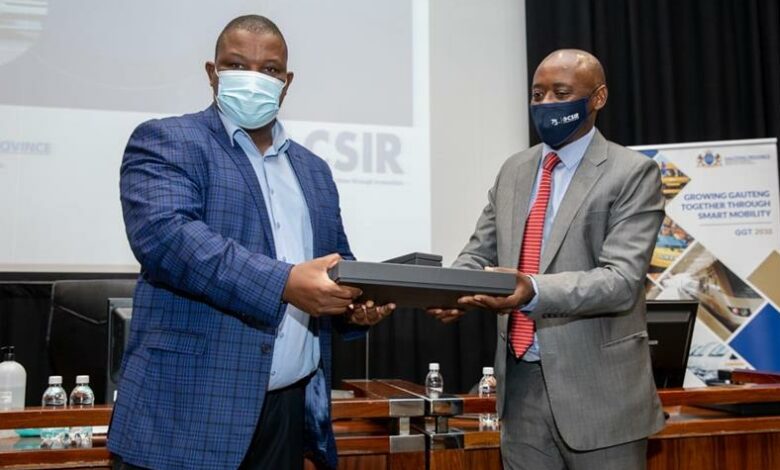
Pretoria North is emerging as an increasingly affluent area, with a high number of household incomes and levels of car ownership noted during a general household travel survey conducted by the CSIR.
In 2019 the CSIR was commissioned by the Gauteng Department of Roads and Transport to conduct a survey to examine transport patterns of households in the province.
The data collection took the form of computer-assisted personal interviews in which fieldworkers used tablet computers to record the responses of households.
CSIR spokesperson Tsholofelo Mophosho said the travel survey questionnaire was designed to measure metrics relating to weekday household and individual travel choices, experiences and constraints.
“Out of a target sample of 37 000 households for the province, the city of Tshwane was targeted to have a sample of 8 000 households, but 7 057 responses were obtained – among the highest in the survey.”
Mophosho said notable key findings in Tshwane were that cars per household were significantly higher than the national figure and the average figure for metropolitan municipalities.
“Pretoria North is emerging as increasingly affluent, characterised by relatively high household incomes and high levels of car ownership.
“The highest median income is in the Pretoria North sub-region, followed by the Pretoria east area. The Rooiwal sub-region to the north of the city has the lowest median household income.”
She said the levels of car ownership was of concern given the limited north-south transport network capacity.
“Car ownership or access remains highly correlated with income.”
Mophosho said motorists in Tshwane were relatively younger people, which was indicative of an increased need for responsive transport services.
She said the survey found that about a fifth of workers in Tshwane reported to work more than five days a week.
Mophosho said the survey found that about 66% of households owned no vehicle, despite an above-average household car ownership in the country.
“The majority of households in Tshwane is without a car and, therefore, dependent on public transport.
“More than 50% of households in the Tshwane have no household member with a driver’s licence, and the number of such households is on the increase, further indicating basic dependence on public transport.
“About 43% of households had one member with a driver’s licence. Only 14% of households had at least two members with a driver’s licence.”
She said it was found that travel within Tshwane was also much higher than travel to and from other municipalities in the province.
“This requires the Tshwane metro to continue to be focused on improving transport service delivery within its jurisdiction while collaborating with the Gauteng transport authority.”
These regional reports have since also been handed over to the municipalities with the aim for them to understand and enhance public transport systems.
ALSO READ: Young Pretoria sprinter improve SA record three times in one day
Do you have more information about the story?
Please send us an email to editorial@rekord.co.za or phone us on 083 625 4114.
For free breaking and community news, visit Rekord’s websites: Rekord East
For more news and interesting articles, like Rekord on Facebook, follow us on Twitter or Instagram