Struben shelter still in metro’s sights, despite cash flow problems
“The process has been delayed as the City works hard to restore financial liquidity.”
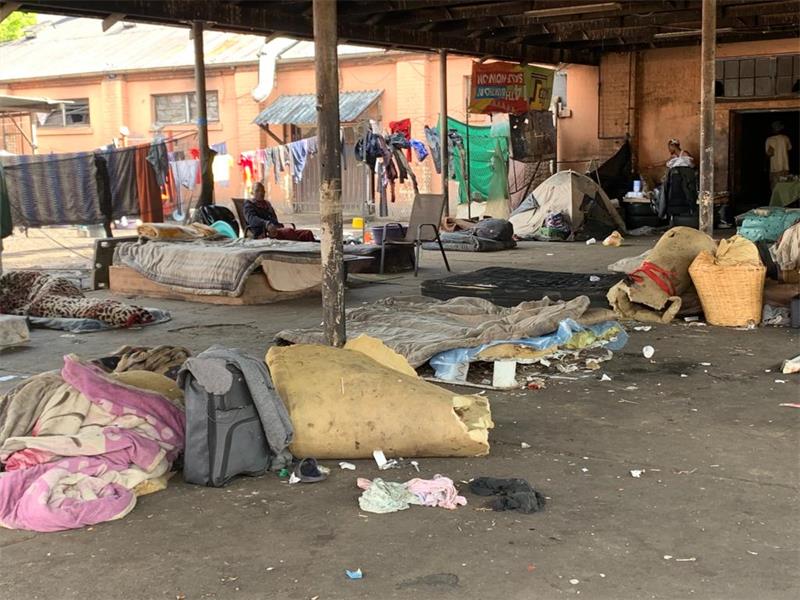
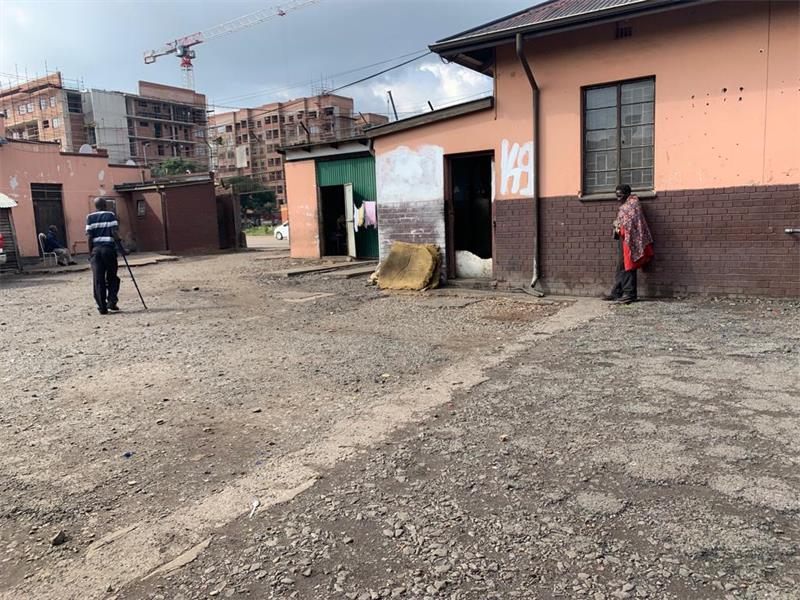
Despite cash flow problems, the Tshwane metro said it still intended to repair the No. 2 Struben shelter for homeless people in the Pretoria CBD.
“The building is still very much the property of the metro,” said Tshwane metro spokesperson Lindela Mashigo of the shelter that was once “hijacked” by criminal elements at the shelter.
“Currently, NGO and metro staff are ensuring the programmes run as expected. As for criminal elements, the Tshwane metro police regularly hold raids and monitor to minimise possible criminal activities.”
The shelter, owned by the municipality, shelters 34 children, 72 women, 238 men, 65 senior citizens and seven people suffering from disabilities.
He said the metro was, however, under “very serious financial pressure”.
This has prompted the metro to hold discussions with stakeholders such as Gauteng Social Development and the private sector for refurbishing the building.
Mashigo said the metro had both immediate and long-term plans for the shelter.
Long-term plans were to relocate the 413 beneficiaries to alternative accommodation while the building got complete renovations to meet all the requirements of a shelter for human habitation.
“We are looking for an alternative accommodation through consultation with relevant stakeholders,” he said.
Stakeholders will include the likes of the Tshwane Homelessness Forum and Lawyers for Human Rights.
Once renovations were completed, there would be a process of ensuring that deserving beneficiaries were sent back to the shelter.
“An agreement will be signed with an NGO to manage it.”
Immediate plans were to ensure that the building was refurbished and the beneficiaries helped with psychosocial support, skills development and food provision.
Currently, an NGO was providing food and psychosocial support to beneficiaries.
Mashigo said the metro also has plans for it to renovate unused buildings that would be converted into permanent homeless shelters.
These buildings are 472 Pretorius Street, De Villiers Hof Building 521, 10th Avenue in Gezina, Matsepa Primary School in Mabopane and ML Msezane Middle School in Mamelodi.
“After renovations of such buildings have been completed, the buildings will be leased to NGOs for the management of the shelter programme through a memorandum of agreement.”
Mashigo said a call for proposals would be made for NGOs to apply to manage these shelters.
The process has been delayed while the metro worked hard “to restore financial liquidity”.
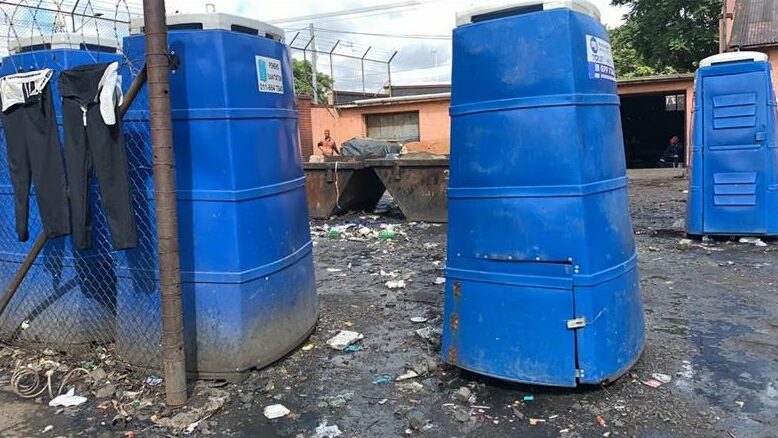
Renovations would begin as soon as the metro became financially stable or an agreement could be made with a partner or donor to assist with renovations.
Mashigo also clarified the R7.8-million allocated to Tshwane by the Gauteng provincial Department of Social Development (DSD) in regards to infrastructure.
“The funds were not given to the metro,” he said.
Instead, the money was meant for homeless programmes in Tshwane, especially for renovating NGO shelters.
“Thus, the metro cannot account for such funds or even confirm any expenditure to that effect. The Gauteng DSD is the department that can account for such funds.”
Mashigo said the metro currently owned two shelters in the Pretoria CBD and Lyttelton, Centurion.
“The other nine are owned and managed by NGOs.”
He said the purpose of shelters was to accommodate beneficiaries and run management programmes such as skills development, psychosocial support, family reunification, food provision and link with employment opportunities.
“Most shelters are located in the inner city while one is in Pretoria North and the other is in Lyttelton.”
Mashigo said the metro was finalising a memorandum of understanding with NGOs to formalise a relationship with them.
“The support Tshwane will provide to NGOs depends on the needs of each NGO.”
Common requests for assistance the metro will become involved with included the provision of blankets, mattresses and hygiene packs to beneficiaries; psychosocial support through social workers; building zoning and rezoning issues; assisting with municipal bills and facilitating lease agreements.
ALSO READ: Struben shelter remains in ruins
Do you have more information about the story?
Please send us an email to editorial@rekord.co.za or phone us on 083 625 4114.
For free breaking and community news, visit Rekord’s websites: Rekord East
For more news and interesting articles, like Rekord on Facebook, follow us on Twitter or Instagram